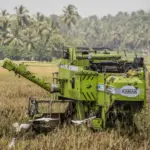
Rice Processing
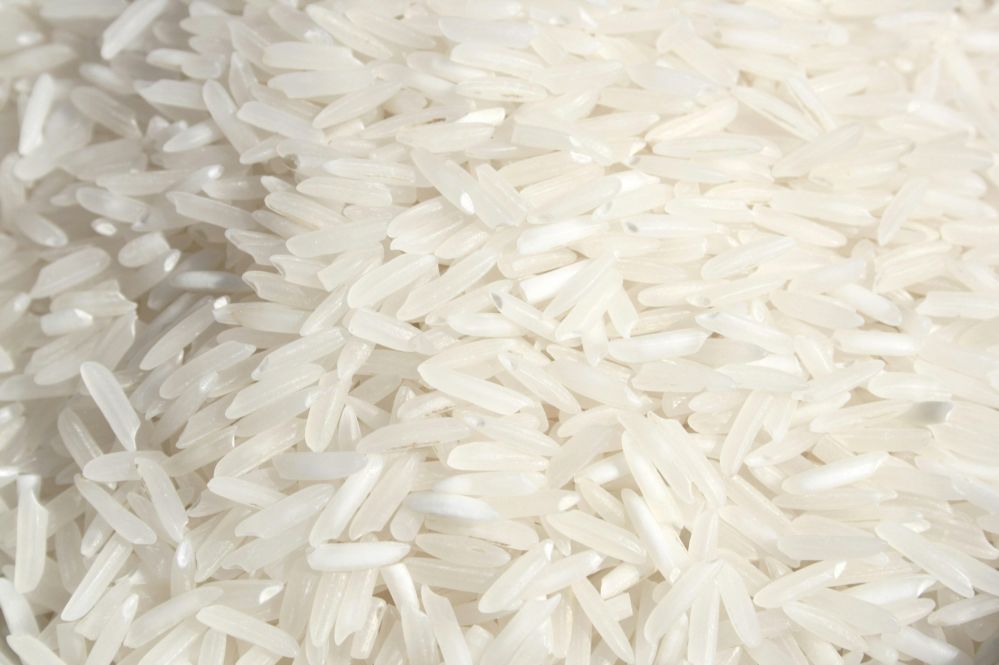
Rice Processing is a series of stages aimed at enhancing the quality and appeal of rice for market consumption. Initially, rice whitening removes the outer bran layer, improving the rice’s appearance and edibility. This is followed by sifting, which separates broken grains from whole ones, ensuring product uniformity. Length grading sorts grains by size, crucial for quality control. Silky polishing then gives rice a smooth, shiny finish, extending its shelf life. Color sorting employs optical sensors to eliminate discolored grains, ensuring visual consistency. The process concludes with precise weighing and packaging, readying the rice for distribution. Each step is vital for maintaining the standards expected by consumers worldwide.
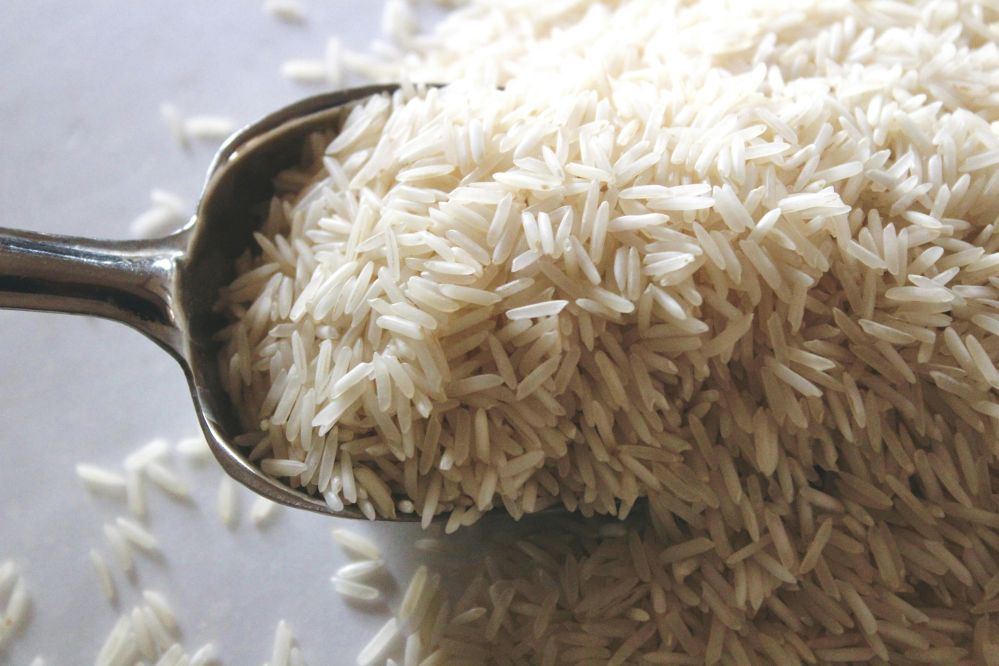
Parboiled Rice Processing: The Underestimated Powerhouse Transforming Global Food Security
Parboiled rice processing emerges as a vital yet often overlooked element in enhancing global food security. This method not only preserves essential nutrients but also extends shelf life, transforming rice into a resilient food source for millions worldwide.
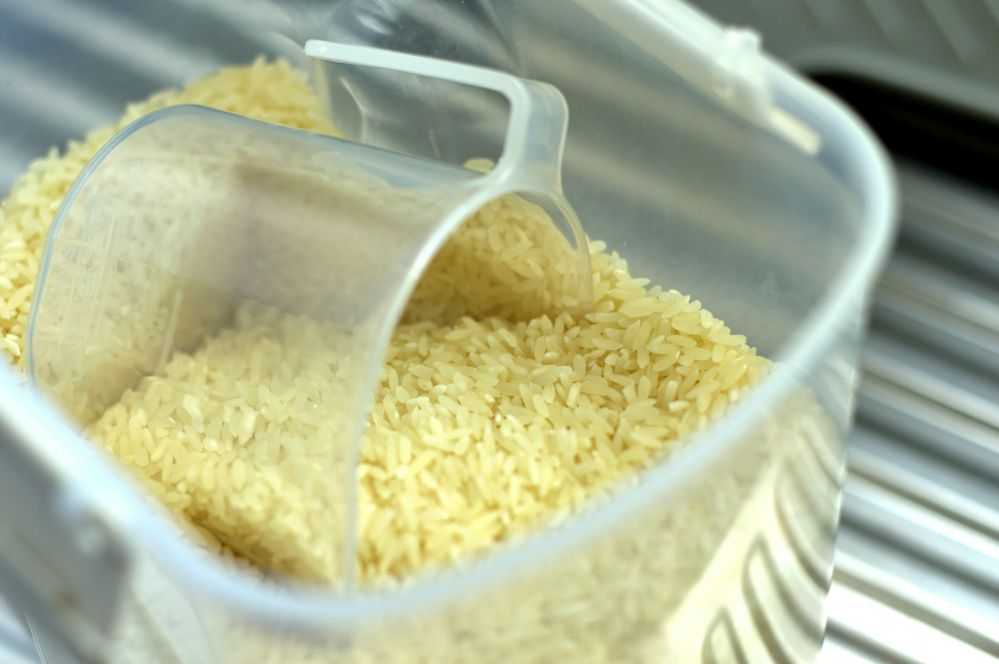
Beyond Boiling: How Advanced Rice Processing Equipment is Revolutionizing Supply Chains and Unsung Agricultural Efficiency
In today's agricultural landscape, advanced rice processing equipment is transforming supply chains, enhancing efficiency beyond boiling. These innovations streamline operations, reduce waste, and empower farmers, quietly reshaping the future of food production.
Beyond the Boil: How Parboiled Rice Processing Plants are Revolutionizing Food Security and Sustainability
In the quest for food security, parboiled rice processing plants are emerging as game changers. By enhancing nutritional value and extending shelf life, they promise a sustainable solution to hunger, transforming grains into a reliable resource for communities worldwide.

Transforming Tradition: How Innovative Rice Processing Machines are Disrupting Age-Old Practices in Global Agriculture
In the heart of rural farmland, innovative rice processing machines are reshaping age-old traditions. These technological marvels blend efficiency with sustainability, offering farmers a new path to productivity while honoring the heritage of their craft.

Beyond the Grain: How Rice Processing Transforms Food Security and Sustainability in an Uncertain World
In a world grappling with food insecurity, rice processing emerges as a transformative force. By enhancing yield and reducing waste, this crucial step not only fortifies our diets but also paves a sustainable path for future generations.

Beyond the Grain: How Smart Technology is Revolutionizing Rice Processing and Shaping the Future of Food Security
In the quest for food security, smart technology is transforming rice processing. From AI-driven analytics to precision harvesting, these innovations not only enhance efficiency but also promise a sustainable future where every grain counts.
Beyond the Grain: How Innovative Rice Processing Equipment is Revolutionizing Sustainability and Profitability in Agriculture
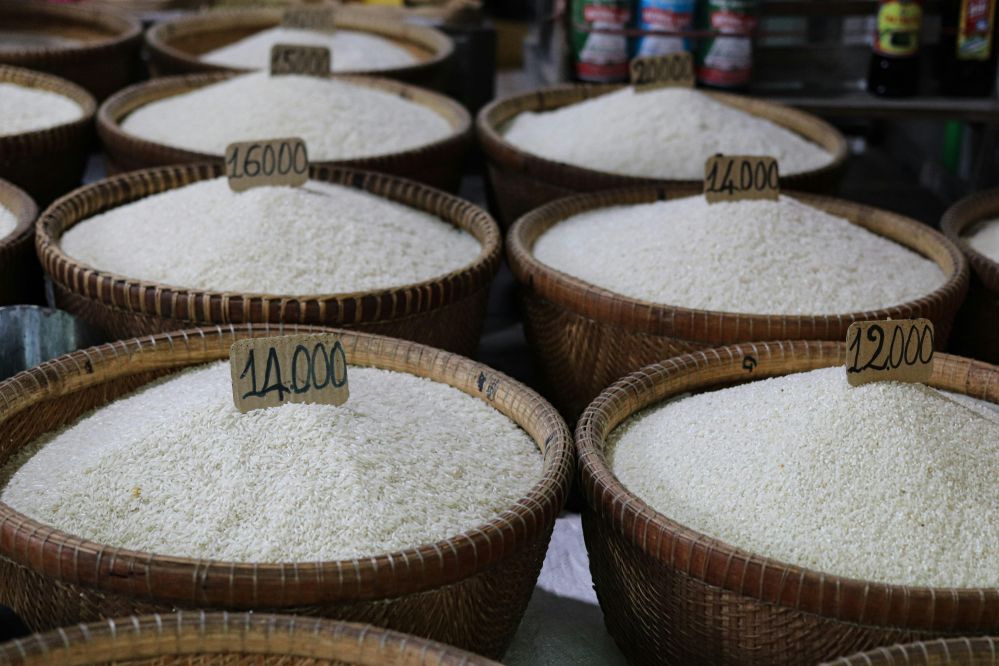
In the quest for sustainable agriculture, innovative rice processing equipment emerges as a game-changer. By enhancing efficiency and reducing waste, this technology not only boosts profitability for farmers but also promotes environmental stewardship in rice production.

Beyond the Grain: How Innovative Rice Processing Equipment is Revolutionizing Sustainable Agriculture
As the world faces mounting agricultural challenges, innovative rice processing equipment is emerging as a game changer. By enhancing efficiency and reducing waste, these advancements are paving the way for sustainable farming practices that nourish the planet.
Beyond Grains: How Innovative Rice Processing Equipment is Redefining Quality and Sustainability in Modern Agriculture
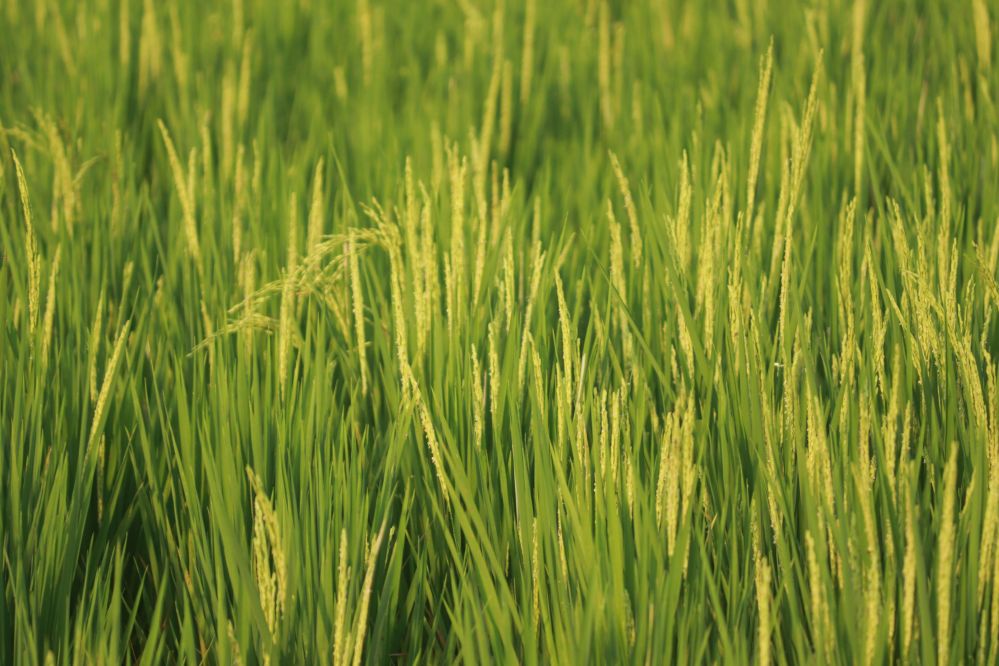
In the ever-evolving landscape of agriculture, innovative rice processing equipment emerges as a catalyst for change. By enhancing quality and boosting sustainability, these technologies are redefining the grain industry, paving the way for a greener future.
Beyond the Grains: How Revolutionary Rice Processing Techniques are Redefining Food Sustainability and Global Markets
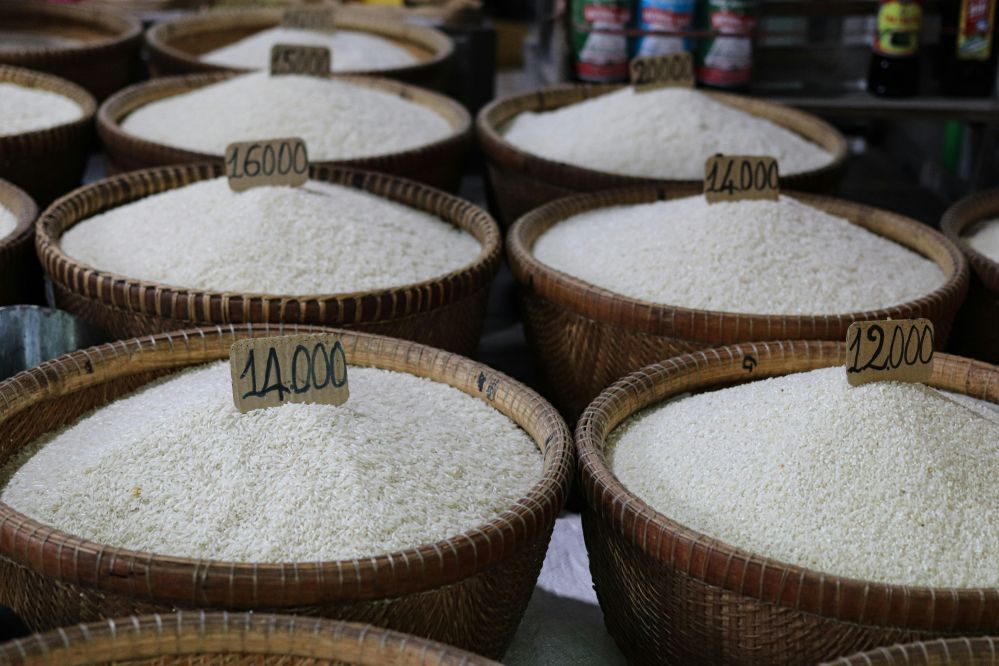
As global demand for food surges, innovative rice processing techniques are emerging, transforming this staple into a beacon of sustainability. By minimizing waste and enhancing nutritional value, these methods not only redefine markets but also promise a greener future.