In the world of agriculture, where every grain counts, rice stands as a staple that nourishes billions. Yet, beneath the surface of this vital crop lies a complex web of processing practices that often goes unnoticed. As farmers strive to meet the demands of a growing population, the tools they use in rice processing can significantly influence their success or failure. While the allure of time-honored methods and familiar machinery may seem comforting, an unsettling truth emerges: outdated equipment carries hidden costs that extend far beyond mere inefficiency. In this article, we will delve into the intricacies of rice processing, unraveling the often-overlooked consequences of relying on antiquated technology. From financial repercussions to the balance of tradition and modernity, we will explore how embracing innovation is not just an option but a necessity for the future of agriculture.
Unveiling the Cost of Inefficiency: How Outdated Rice Processing Equipment Drains Agricultural Resources
Outdated rice processing equipment not only hampers operational efficiency but also significantly depletes agricultural resources, leading to a cascade of detrimental effects. Inefficient machinery can result in higher energy consumption, increased labor costs, and diminished product quality. For instance, older milling systems may require more frequent maintenance and repairs, diverting labor and financial resources that could be better utilized elsewhere. Additionally, the slower processing speeds of antiquated equipment can extend the time grain sits in storage, increasing the risk of spoilage and pest infestations. In contrast, investing in modern technology can streamline operations and reduce waste, ultimately conserving both time and resources.
Moreover, the hidden costs of inefficiency extend beyond immediate financial implications to the broader agricultural ecosystem. Consider the trade-offs between sticking with outdated equipment versus investing in innovations. While the former may seem economically viable in the short term, the long-term repercussions can be far more costly. For instance, farmers could face a competitive disadvantage in a market increasingly driven by quality and efficiency. To navigate this landscape effectively, stakeholders should conduct a thorough cost-benefit analysis, weighing the risks of obsolescence against the potential gains of upgrading. Ultimately, fostering a culture of innovation and continuous improvement in rice processing is not merely a choice; it’s a necessity for sustainable agricultural success.
The Illusion of Savings: Why Sticking to Old Equipment Can Lead to Greater Financial Losses in Rice Production
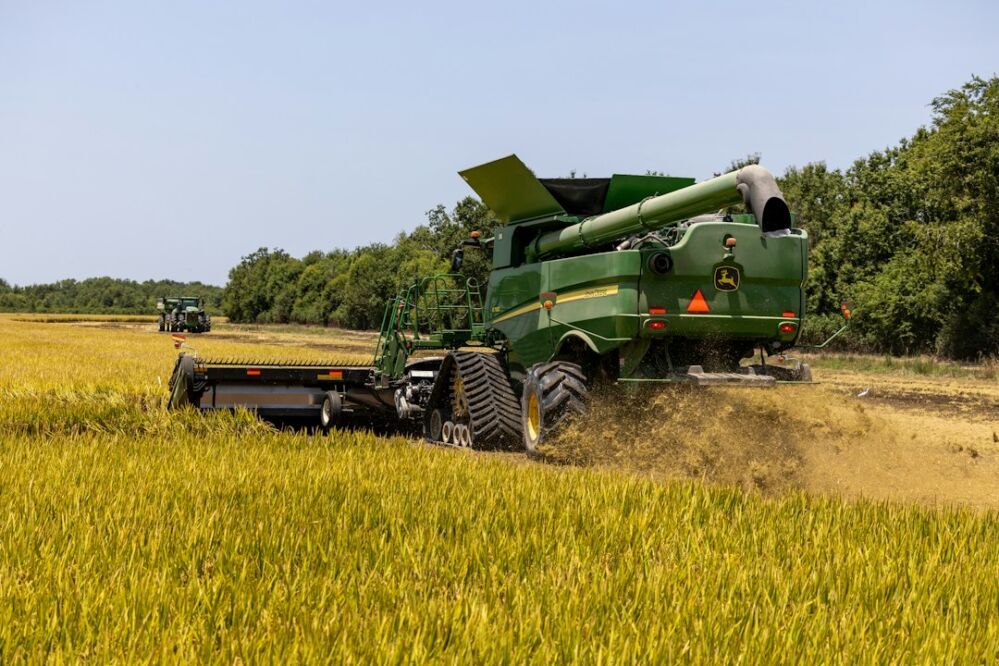
Many rice producers cling to outdated equipment under the assumption that it saves money, yet this belief often masks a deeper financial pitfall. The initial savings realized from lower capital investment can quickly evaporate when one considers the hidden costs associated with inefficiency. For instance, older machinery tends to have higher rates of breakdown, leading to increased maintenance expenses and unplanned downtime. Moreover, these machines can be less efficient in processing, resulting in lower yield quality and higher waste rates, which ultimately diminish profitability. It’s crucial to recognize that the total cost of ownership includes not just the purchase price but also ongoing operational costs.
Investing in modern equipment may require a higher upfront expenditure, but the long-term benefits typically outweigh these initial costs. Key advantages of upgrading include enhanced processing speeds, improved energy efficiency, and better product quality. For example, a comparison of old vs. new machinery might reveal that while an older model processes rice at a rate of 500 kg per hour, a new model can handle 1,200 kg with significantly reduced energy consumption. When evaluating the trade-offs, consider the following:
- Maintenance Costs: Older equipment often incurs higher repair bills.
- Downtime: Frequent breakdowns can disrupt production schedules and affect market supply.
- Energy Efficiency: Newer models use less energy, lowering operational costs over time.
- Product Quality: Modern technology can enhance the quality of the output, impacting market price positively.
Ultimately, the decision to upgrade should be guided by a comprehensive analysis of both immediate costs and the potential for long-term gains, steering clear of the illusion that old equipment is a safer financial choice.
Balancing Tradition and Technology: Navigating the Trade-Offs in Rice Processing Equipment Investments
In the quest for optimal rice processing, striking a balance between tradition and modern technology is crucial yet challenging. Traditional methods, often steeped in cultural significance, can sometimes provide low-cost solutions, particularly in regions where modern infrastructure is lacking. However, the reliance on outdated equipment can lead to inefficiencies that offset these perceived savings. It is essential for producers to critically evaluate the following trade-offs:
- Initial Investment vs. Long-term Savings: Upgrading to advanced equipment requires significant upfront capital, yet it often results in reduced operational costs over time.
- Quality vs. Quantity: Traditional methods may prioritize volume, while modern technology can enhance quality, leading to better market prices.
- Skill and Training: Traditional techniques require less technical training, but modern machinery necessitates investment in skill development, which can further enhance productivity.
Adopting a hybrid approach—integrating traditional practices with modern equipment—can yield improved outcomes. For example, using automatic milling machines alongside manual sorting can optimize both efficiency and quality. Producers should consider pilot projects that allow them to test new technologies without fully committing, thus minimizing risk while gradually transitioning into more advanced processing methods. This strategic approach ensures that they can adapt to market demands while preserving the valuable aspects of their heritage.
| Trade-Offs | Traditional Methods | Modern Equipment |
|---|---|---|
| Cost of Acquisition | Lower | Higher |
| Operational Costs | Higher | Lower |
| Product Quality | Variable | Consistently High |
| Training Requirements | Minimal | Significant |
The Long-Term Impact of Obsolescence: Understanding the Ripple Effects of Outdated Equipment on Modern Agriculture
The long-term consequences of relying on outdated rice processing equipment extend far beyond immediate operational inefficiencies; they create a complex web of challenges that can undermine the entire agricultural ecosystem. As producers cling to antiquated machinery, they inadvertently increase their vulnerability to market fluctuations, regulatory changes, and environmental pressures. The ripple effects include not only reduced yield quality and increased waste but also diminished competitive advantage in a global market that increasingly values innovation and sustainability. Key factors to consider include:
- Reduced Crop Quality: Inferior processing techniques can lead to lower nutritional value and higher levels of contaminants, impacting consumer trust and marketability.
- Resource Inefficiency: Outdated equipment often requires more water and energy, compounding the environmental impact and increasing operational costs.
- Labor Dynamics: Older machinery typically demands more manual labor, which may not only drive up wages but also deter the younger workforce seeking more technologically advanced farming practices.
Moreover, the trade-offs associated with maintaining obsolete equipment often result in missed opportunities for technological advancements that enhance both productivity and sustainability. Investing in modern processing technology can seem daunting, but it often leads to greater long-term savings and resilience against volatility. For instance, newer equipment can incorporate energy-efficient systems that reduce costs and minimize environmental impact. As producers evaluate their operational strategies, they must weigh the costs of maintaining outdated machinery against the potential benefits of modernization, which can include improved processing speeds, enhanced product quality, and increased market competitiveness. In making these decisions, stakeholders should engage in a thorough cost-benefit analysis that accounts for not just the financial implications but also the broader ecological and social dimensions of their operations.
Final Thoughts
As we conclude our exploration of rice processing, it becomes clear that the hidden costs associated with outdated equipment extend far beyond mere inefficiency. The implications of clinging to antiquated methods reverberate through the entire agricultural landscape, impacting not only production but also the financial viability of farming operations. Embracing a thoughtful blend of tradition and innovation is essential for rice producers aiming to thrive in a rapidly evolving industry. By recognizing the value of modern technology and investing wisely in equipment, we can unlock the full potential of this vital crop, ensuring that rice continues to nourish billions for generations to come. The future of agriculture hinges on the decisions we make today—let’s choose wisely.