Mini Rice Mill
A Mini Rice Mill represents a compact and efficient solution for rice processing, especially suited for small-scale operations. It encompasses essential functions within a reduced footprint, making it ideal for local farmers or small enterprise owners. The process starts with a basic cleaning mechanism to rid the rice of impurities and dust. Husking then removes the husk, followed by a whitening phase that gently removes the bran layer, producing clean, white rice. Despite its smaller size, a mini rice mill can include simple grading systems to ensure uniformity in grain size. The equipment is typically less automated than in larger mills, prioritizing affordability and ease of maintenance. Such mills are crucial in supporting local economies, providing farmers with direct access to rice processing and enabling them to increase their rice’s market value efficiently.
Understanding Mini Rice Mills: Benefits, Features, and How They Transform Small-Scale Rice Processing
Mini rice mills are revolutionizing small-scale rice processing, offering efficiency and affordability. With features like compact design and low energy consumption, they empower local farmers, ensuring quality production and enhanced livelihoods in rural communities.

Understanding the Benefits of a Combine Mini Rice Mill: Your Key to Efficient Rice Processing
Unlock the potential of efficient rice processing with a combine mini rice mill. This compact powerhouse streamlines production, boosts yield, and reduces labor costs, making it an essential investment for modern rice farmers seeking sustainability and productivity.

Unlocking Efficiency: A Comprehensive Guide to Combined Mini Rice Mills and Their Benefits for Small Scale Farmers
Unlocking efficiency in agriculture, combined mini rice mills offer small-scale farmers a transformative solution. These compact machines streamline processing, reduce labor costs, and enhance productivity, empowering farmers to thrive in competitive markets.
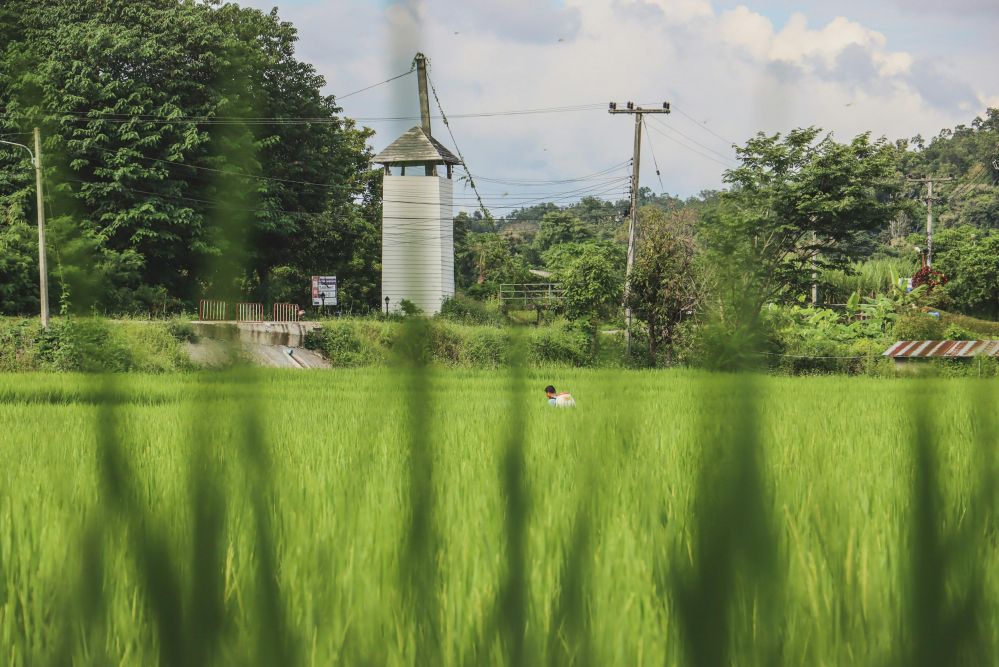
Exploring Mini Rice Mills: Benefits, Features, and How They Revolutionize Small-Scale Rice Processing
Mini rice mills are transforming small-scale agriculture by streamlining rice processing. Their compact design, energy efficiency, and affordability offer farmers a sustainable solution, ensuring quality rice production while boosting local economies.

Exploring Mini Rice Mill Plants: Benefits, Setup Guide, and Key Considerations for Modern Rice Production
Discover the world of mini rice mill plants, where efficiency meets sustainability. This article delves into their benefits, offers a step-by-step setup guide, and highlights key considerations for modern rice production—empowering farmers to thrive.
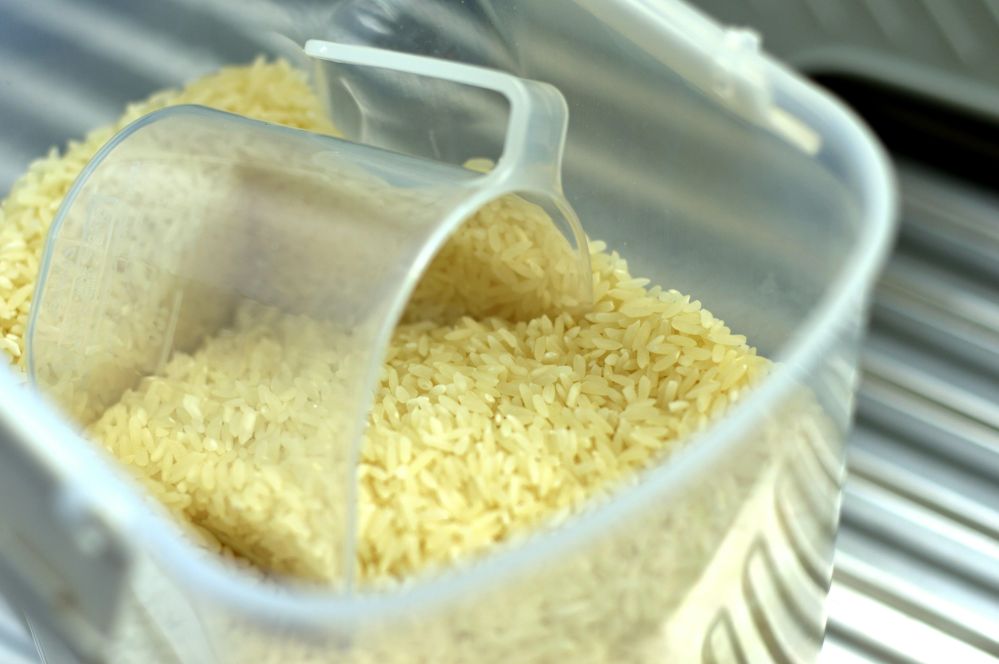
Unlocking Efficiency: A Comprehensive Guide to Mini Rice Mills and Their Benefits for Small Farmers
Unlocking efficiency in agriculture, mini rice mills are revolutionizing small farming. These compact machines empower farmers by streamlining processing, reducing labor, and maximizing yield. Discover how they pave the way for sustainable growth and profitability.
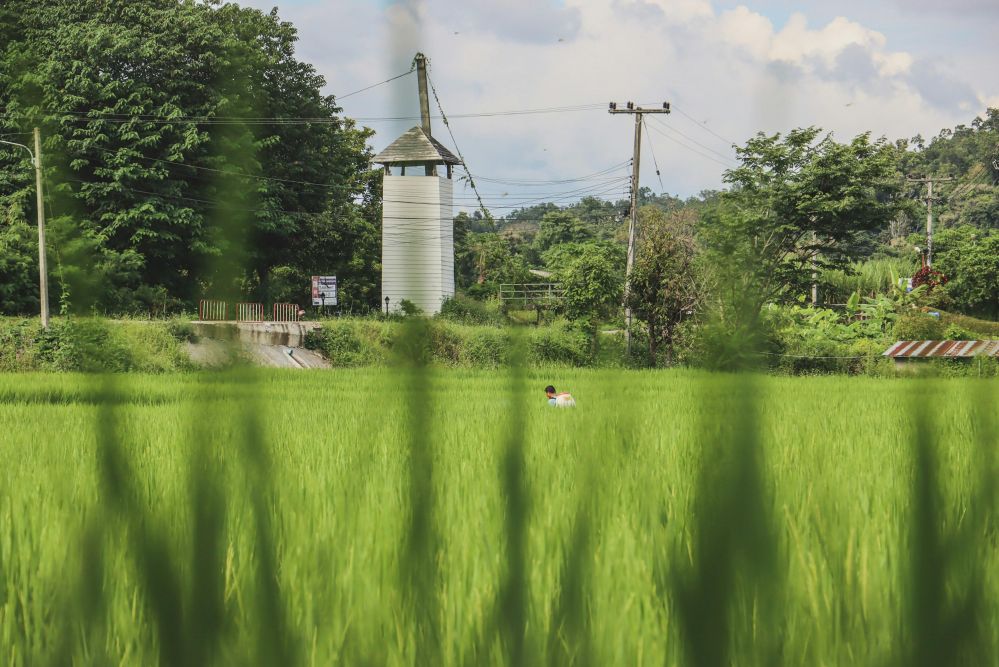
Understanding Mini Rice Mills: Benefits, Key Features, and How They Revolutionize Small-Scale Rice Processing
Mini rice mills are transforming small-scale rice processing, empowering farmers with efficiency and sustainability. These compact machines offer essential features like easy operation and reduced waste, unlocking a world of benefits for rural communities.
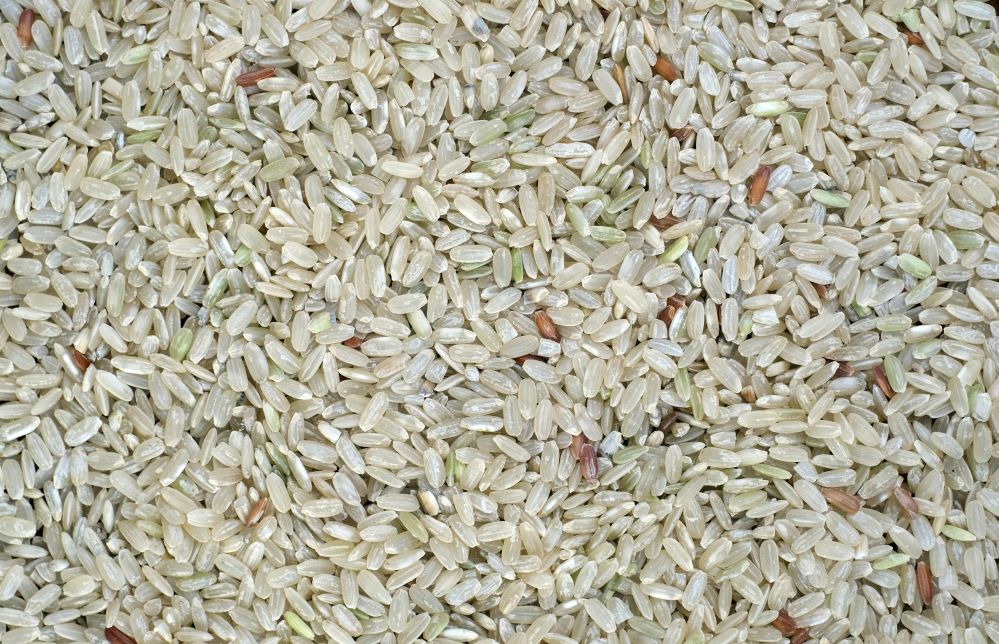
Understanding Mini Rice Mills: Benefits, Features, and How They Transform Small-Scale Rice Production
Mini rice mills are revolutionizing small-scale rice production by offering efficiency and accessibility. These compact machines streamline the milling process, reducing labor costs and enhancing grain quality, making rice farming more sustainable and profitable for local communities.
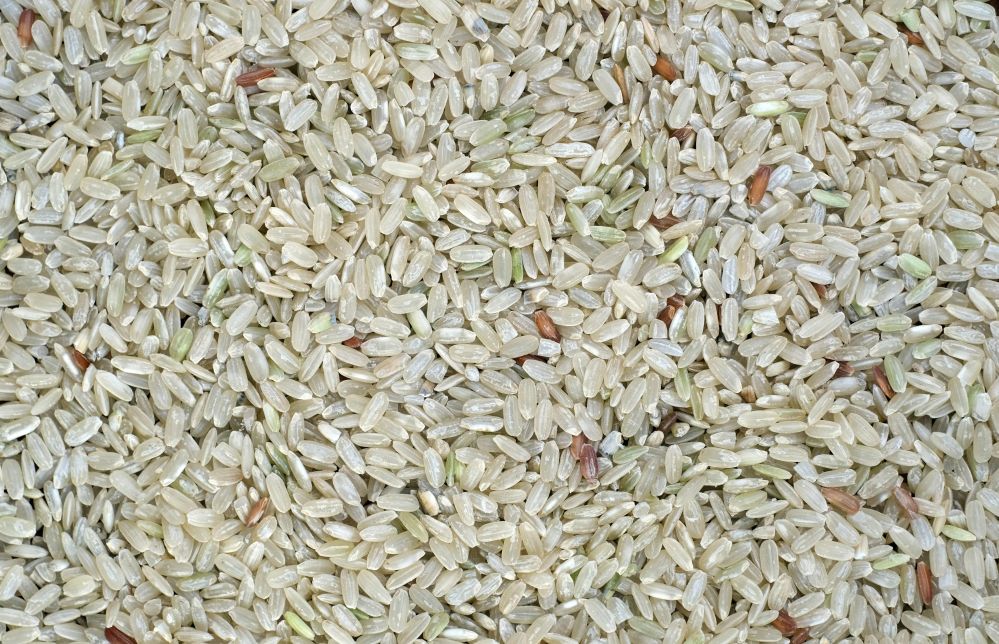
Understanding Mini Rice Mills: Benefits, Features, and How They Revolutionize Small-Scale Rice Production
Mini rice mills are transforming small-scale rice production, offering efficiency and accessibility. These compact machines streamline the milling process, preserve grain quality, and empower local farmers to maximize their output—revolutionizing rural economies.
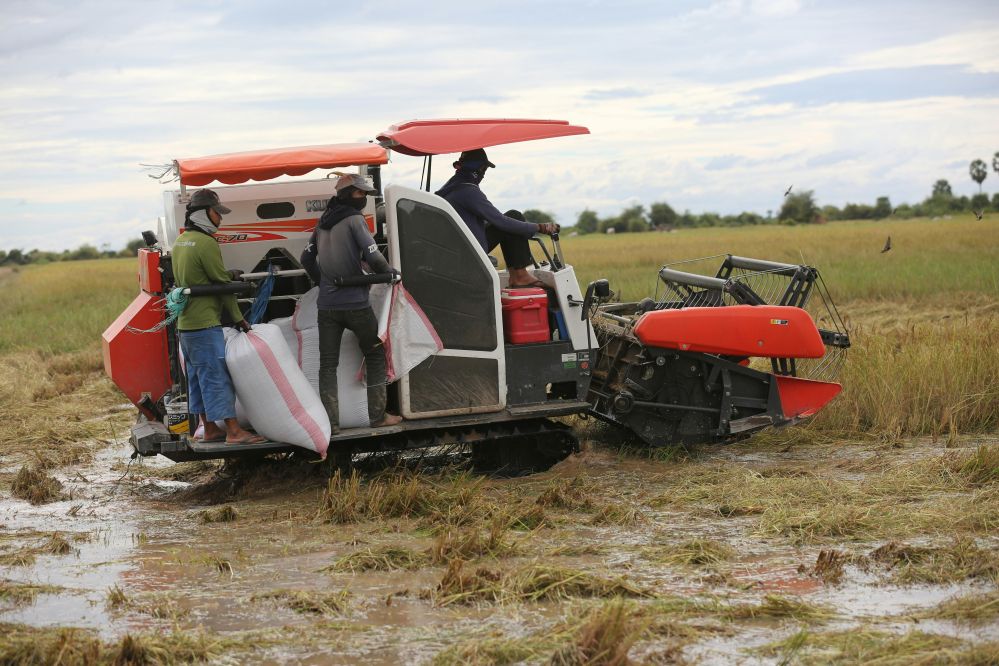
Everything You Need to Know About Combine Mini Rice Mills: Benefits, Features, and Selection Tips
Unlock the potential of your rice processing with combine mini rice mills! These compact powerhouses offer efficiency, space-saving design, and high-quality output. Discover key benefits, essential features, and expert tips for choosing the perfect model for your needs.