Rice Mill
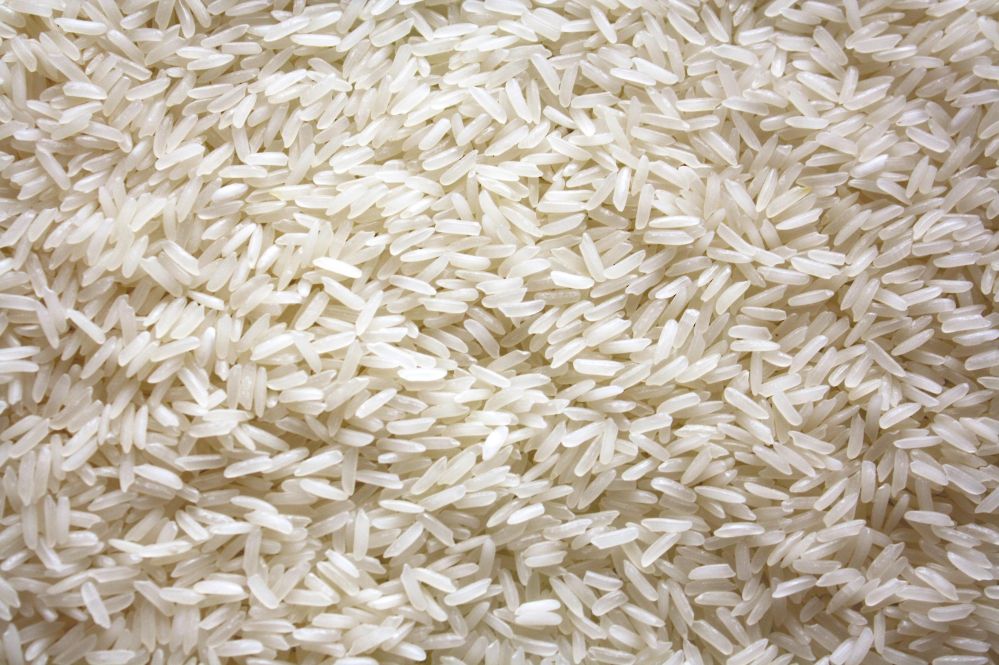
A Rice Mill transforms raw paddy into polished rice through several stages. It starts with cleaning to remove impurities and dust. The husking process then separates the husk from the kernel. This is followed by whitening, which removes the bran layer to produce white rice. Grading systems classify the rice by size and shape to meet market demands, and polishing gives the rice a glossy finish. Advanced technology in modern rice mills ensures efficient processing to maximize yield and maintain high quality, catering to consumer expectations.
Understanding Combined Rice Mills: Functionality, Benefits, and Their Role in Modern Agriculture
Combined rice mills are transformative hubs in modern agriculture, seamlessly integrating milling functions to enhance efficiency. They reduce processing time and increase yield quality, offering farmers a reliable way to meet the growing demand for rice.

Understanding the 5 Ton Rice Mill: Key Features, Operational Benefits, and Impact on Agricultural Efficiency
The 5 Ton Rice Mill revolutionizes agricultural processing with its efficient design and advanced technology. By enhancing output and minimizing waste, it plays a crucial role in improving productivity and sustainability in rice farming. Explore its features and benefits.

Understanding the Role and Impact of Chinese Rice Mills in Global Agriculture: A Comprehensive Overview
Chinese rice mills play a pivotal role in global agriculture, serving as vital hubs of production and innovation. Their advanced techniques and vast output not only meet domestic demands but also influence international markets, shaping food security worldwide.
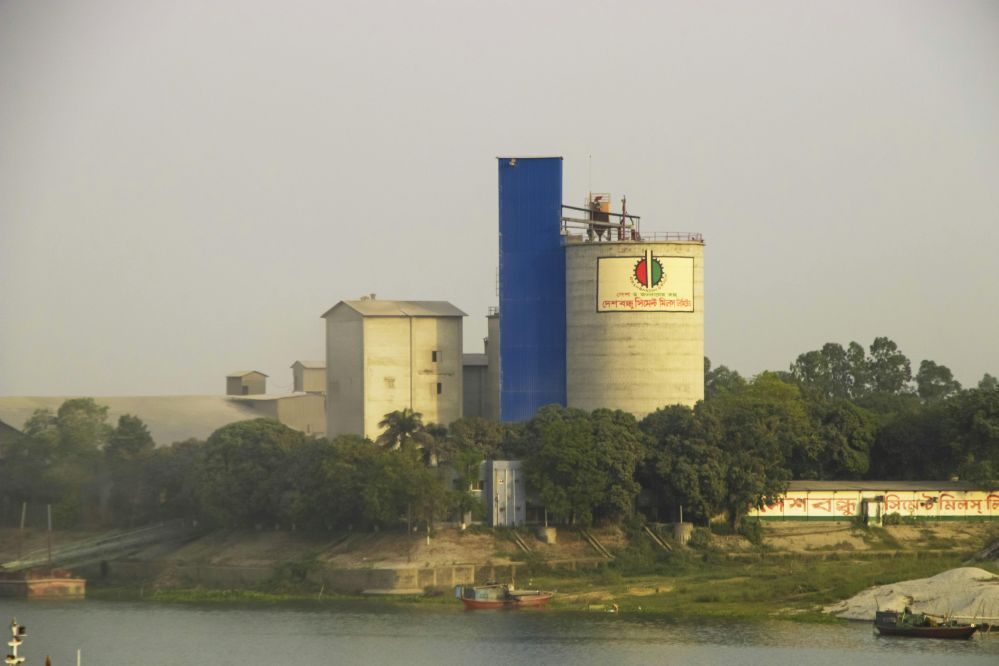
Understanding Automatic Rice Mills: Technology, Benefits, and Impact on Modern Agriculture
Automatic rice mills represent a significant advancement in agricultural technology, streamlining the rice processing journey. By enhancing efficiency and minimizing labor, these mills not only boost productivity but also support sustainable farming practices in modern agriculture.
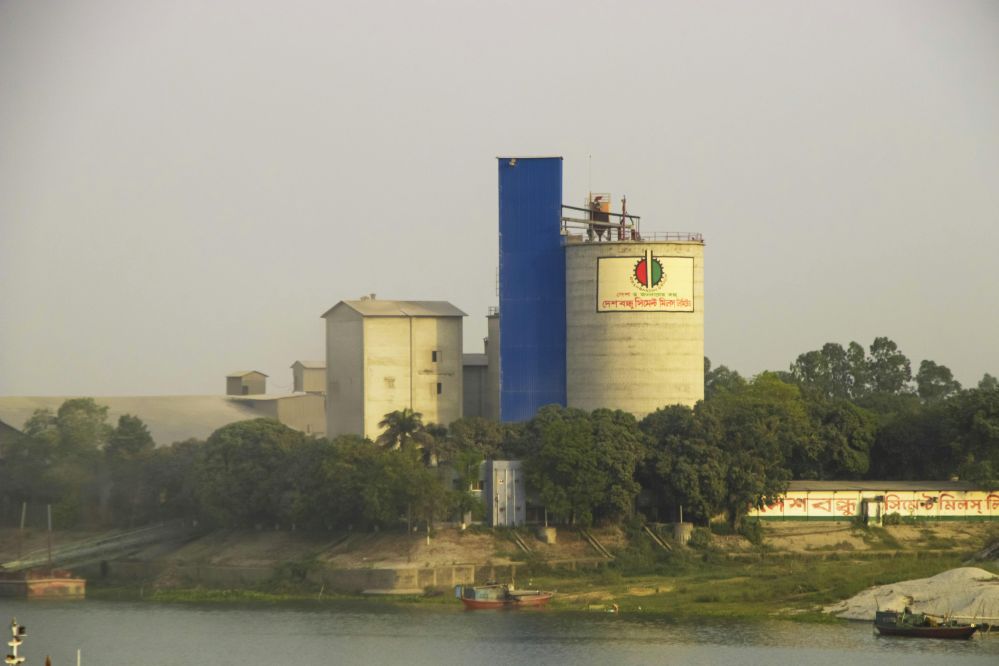
Understanding Combined Rice Mill Machines: Functionality, Benefits, and Their Role in Modern Agriculture
Combined rice mill machines revolutionize grain processing by integrating multiple functions—hulling, milling, and polishing—in one sleek unit. Their efficiency not only enhances productivity but also supports sustainable practices in modern agriculture.
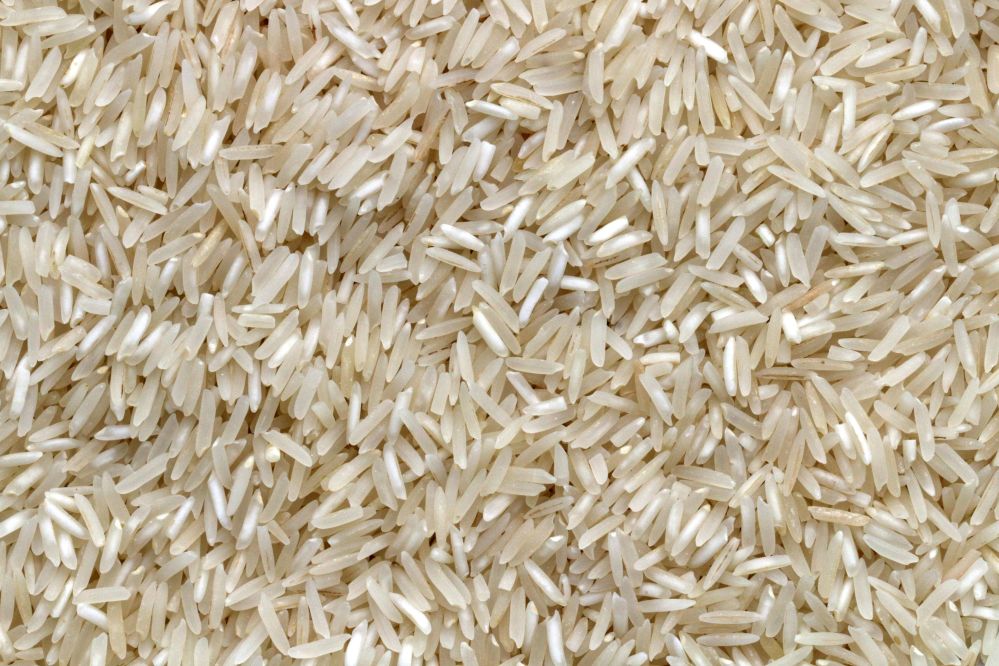
Understanding Auto Rice Mills: A Comprehensive Overview of Technology, Benefits, and Economic Impact in Modern Agriculture
Auto rice mills represent a fusion of technology and tradition in modern agriculture, streamlining the rice production process. By enhancing efficiency and reducing labor costs, these mills not only boost agricultural output but also stimulate local economies.

Understanding Combined Rice Mills: How Integrated Milling Processes Enhance Efficiency and Yield in Rice Production
Understanding combined rice mills reveals a transformative approach to grain processing. By integrating multiple milling processes, these facilities enhance efficiency and boost yield, ensuring higher quality rice while minimizing waste in production.
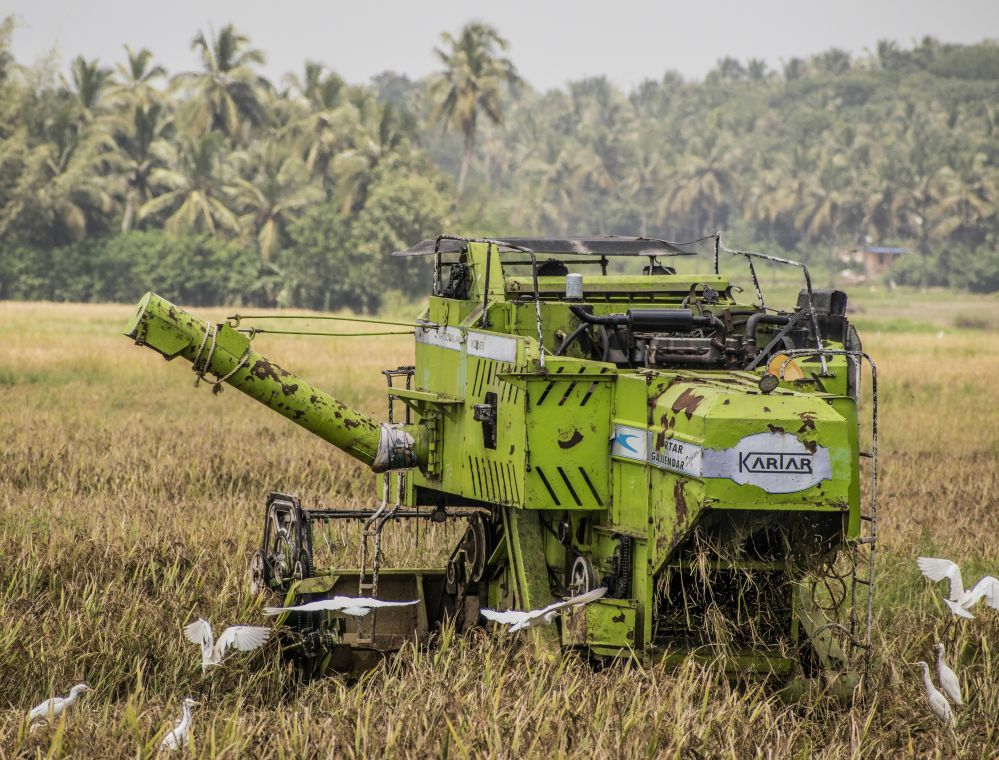
Understanding Combined Mini Rice Mills: Background, Operation, and Impact on Small-Scale Farming
Combined mini rice mills represent a technological leap in small-scale farming, seamlessly merging husking and milling processes. By enhancing efficiency and accessibility, these mills empower local farmers, reducing post-harvest losses and boosting rural economies.

Understanding the Combined Mini Rice Mill: Background, Functionality, and Its Role in Modern Agriculture
The combined mini rice mill symbolizes a fusion of tradition and technology in modern agriculture. Compact and efficient, it streamlines the milling process, empowering farmers to increase yields while preserving rice quality, thus reshaping local economies.
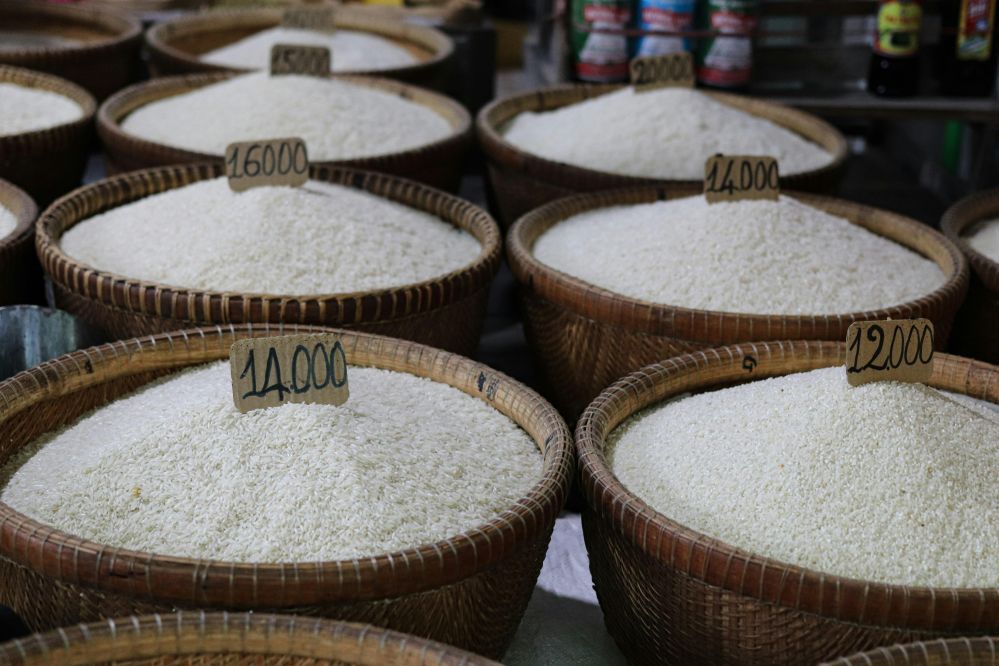
Understanding Auto Rice Mills: Functions, Benefits, and Their Impact on Modern Agriculture
Auto rice mills are transforming agricultural landscapes by streamlining rice processing. These innovative machines enhance efficiency, reduce labor costs, and improve grain quality, ultimately supporting farmers and boosting food security in modern agriculture.