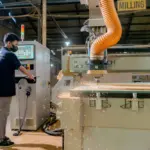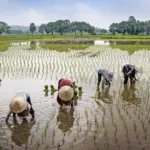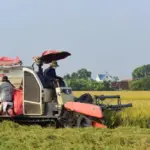
In the quest for sustainable agriculture, innovative solutions emerge as vital players in transforming traditional practices. Among these, combined mini rice mills stand out, offering a harmonious blend of efficiency and eco-friendliness. These compact machines do more than just process grains; they represent a shift towards integrated farming systems that prioritize environmental stewardship while enhancing productivity. As rice remains a staple food for billions, understanding the functionality and potential impact of these mills becomes crucial for farmers and policymakers alike. This exploration delves into the background of combined mini rice mills, illuminating their role in fostering sustainability and shaping the future of agriculture.
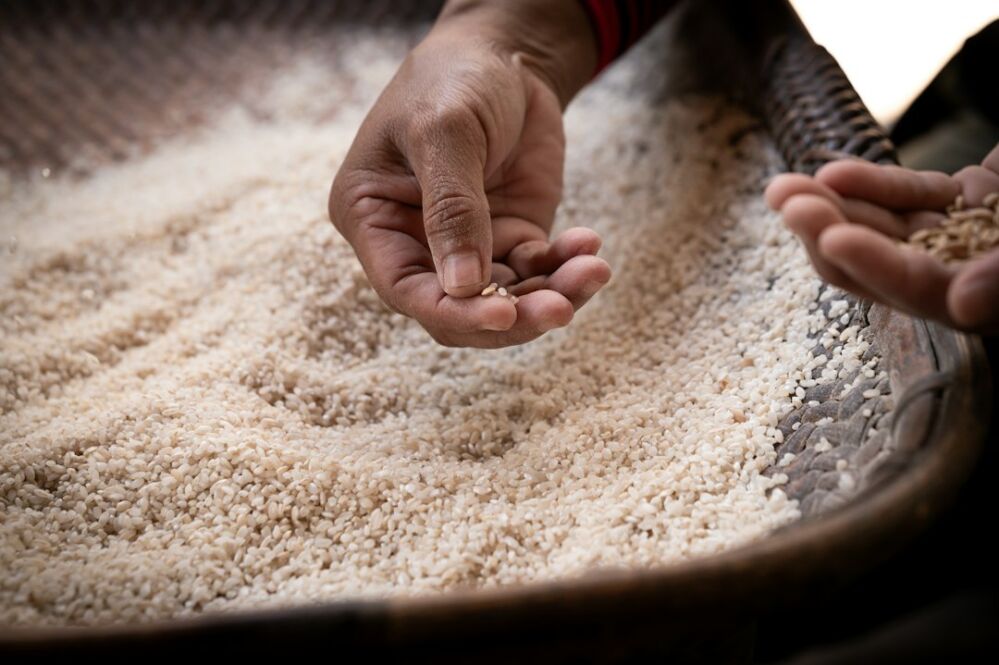
Integrating Sustainability: How Combined Mini Rice Mills Support Eco-Friendly Farming Practices
Combined mini rice mills can significantly enhance sustainable farming practices by promoting eco-friendly approaches and reducing environmental impact. To effectively integrate these mills into your farming operations, consider the following actionable steps:
- Conduct a Soil Health Assessment: Before implementing a combined mini rice mill, evaluate the soil's nutrient status to tailor your rice cultivation practices. This ensures that the mill's output aligns with sustainable farming goals.
- Choose Eco-Friendly Milling Techniques: Opt for mills that utilize low-energy consumption methods, such as solar-powered operations. This reduces reliance on fossil fuels, lowering the carbon footprint of your farming activities.
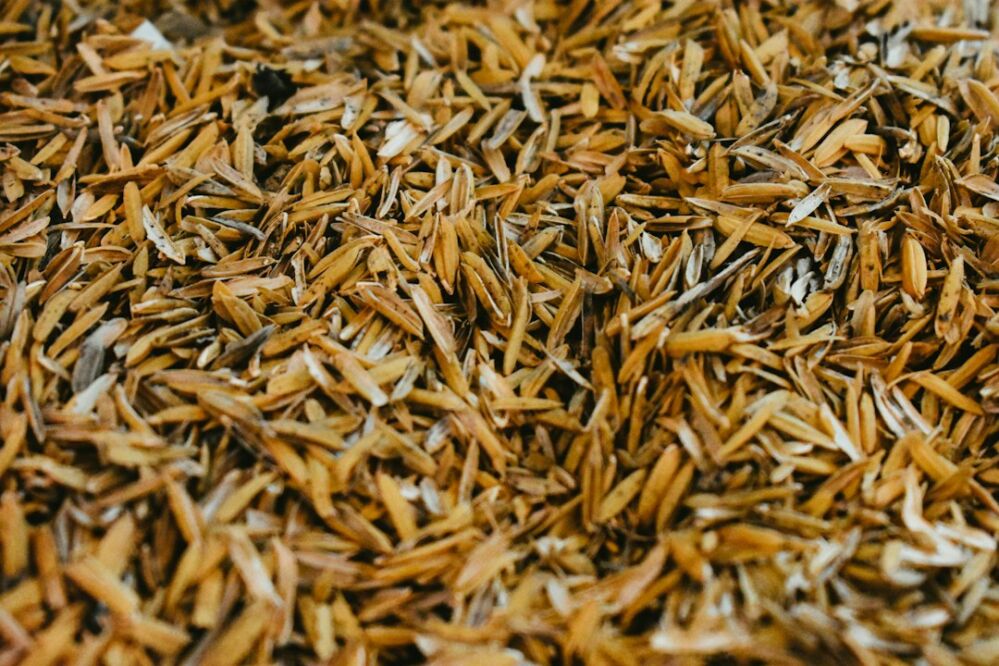
- Utilize Byproducts Wisely: Take advantage of the byproducts generated by the milling process. For instance, rice husks can be repurposed as organic fertilizer or biomass energy, contributing to a circular economy on your farm.
It's crucial to monitor the milling process to avoid common pitfalls. Many farmers overlook the importance of regular maintenance, which can lead to inefficiencies and increased waste. Establish a routine check-up schedule to ensure the mill operates at peak efficiency. Additionally, engaging with local agricultural extension services can provide insights into best practices and innovations in sustainable rice farming. By making informed choices and leveraging the capabilities of combined mini rice mills, you can foster a more sustainable agricultural ecosystem while improving your farm's productivity.
Enhancing Productivity: The Role of Technology in Modern Rice Milling Solutions
Modern rice milling technology plays a crucial role in enhancing productivity while ensuring the sustainability of agricultural practices. When selecting a combined mini rice mill, consider investing in models that incorporate features like automated grading systems and energy-efficient motors. These advancements not only streamline operations but also minimize waste and energy consumption. Farmers should check for real-time monitoring systems that track moisture levels and grain quality, as maintaining optimal conditions during milling can drastically reduce spoilage. Common pitfalls include purchasing machines that lack adequate support for maintenance or spare parts availability. To avoid this, opt for brands with established service networks and positive user reviews, ensuring reliable after-sales support.
To make smarter choices, evaluate the return on investment (ROI) based on your production scale. For example, a mill that processes 500 kg of rice per hour may seem costly upfront but can yield significant savings in labor and energy costs over time. A simple comparison table can help clarify these benefits:
| Feature | Manual Mill Cost | Combined Mini Mill Cost | ROI (1 Year) |
|---|---|---|---|
| Labor Costs | High | Moderate | High |
| Energy Efficiency | Low | High | Very High |
| Maintenance | Frequent | Rare | High |
Farmers should actively seek demonstrations and pilot programs to assess performance before committing to a purchase. Engaging with local agricultural cooperatives can also provide insights into the most effective models and practices tailored to specific regional conditions.
Economic Viability: Assessing the Financial Benefits of Combined Mini Rice Mills for Farmers
Assessing the economic viability of combined mini rice mills requires a thorough examination of both initial investments and long-term financial benefits. Farmers should evaluate the following key factors:
- Initial Costs: Calculate the upfront cost of purchasing and installing a mini rice mill. This can range from $5,000 to $15,000 depending on size and technology. Check for available subsidies or financing options from agricultural departments or NGOs that can ease this burden.
- Operating Expenses: Understand ongoing costs, including maintenance, labor, and energy consumption. A well-maintained mill typically has lower operational costs and can be powered using renewable energy sources, which can reduce electricity expenses significantly.
- Market Demand: Conduct a local market analysis to assess demand for milled rice. Engaging with local cooperatives can provide insights into pricing trends and consumer preferences, allowing farmers to optimize production and sales strategies.
To maximize financial benefits, farmers should also consider sharing resources. Forming cooperatives can lead to:
- Reduced Costs: Pooling resources for purchasing equipment and sharing operational expenses can lower individual financial burdens.
- Increased Bargaining Power: Collectively, farmers can negotiate better prices for both raw paddy and milled rice, enhancing profitability.
- Shared Knowledge: Learning from each other about best practices in milling and marketing can lead to improved efficiency and product quality.
Farmers should be mindful of common pitfalls such as underestimating maintenance costs or neglecting market research, which can lead to financial strain. Instead, proactive planning and collaboration can ensure that the transition to using combined mini rice mills is not only sustainable but also economically rewarding.
Future Prospects: Expanding the Reach and Impact of Combined Mini Rice Mills in Global Agriculture
To effectively expand the reach and impact of combined mini rice mills in global agriculture, stakeholders must prioritize strategic partnerships and community engagement. Farmers and cooperatives should explore collaborations with local governments and NGOs to gain access to technical support, funding, and training programs. These partnerships can facilitate the introduction of mini rice mills in underserved areas. Additionally, engaging with agricultural extension services can provide farmers with essential knowledge on optimizing milling processes and maintaining equipment. Key actions to consider include:
- Conducting community workshops to educate farmers on the benefits and operation of combined mini rice mills.
- Establishing pilot programs that allow farmers to experience the benefits firsthand before committing to larger investments.
- Creating local cooperatives to share resources and reduce individual costs associated with purchasing and maintaining equipment.
However, challenges often arise, such as insufficient local infrastructure or lack of awareness about the technology. To mitigate these risks, it’s crucial to assess existing facilities and logistical support. Consider these factors:
| Factors to Assess | Considerations |
|---|---|
| Local Infrastructure | Availability of electricity and water supply |
| Market Access | Proximity to markets for selling milled rice |
| Training Resources | Access to skilled technicians for maintenance |
By addressing these elements, stakeholders can make smarter choices, ensuring the successful integration and sustainability of combined mini rice mills in global agriculture.
To Wrap It Up
In conclusion, combined mini rice mills represent a pivotal advancement in the landscape of sustainable agriculture. By seamlessly integrating technology and eco-friendly practices, these mills not only enhance productivity but also offer economic benefits that can empower farmers. As we look to the future, fostering collaborations and engaging communities will be essential in maximizing their potential impact on global agriculture. Embracing these innovations could lead us toward a more sustainable and resilient food system, ensuring that the benefits of modern agriculture are accessible to all. The journey toward sustainable farming continues, and combined mini rice mills are undoubtedly key players in this transformative endeavor.