
In the world of rice production, efficiency is the golden grain that can significantly impact profitability and sustainability. As the demand for quality rice continues to rise, the pressure on mills to maximize output while minimizing downtime has never been greater. Unlocking the secrets to efficient rice milling can transform operations, turning a traditional process into a modern powerhouse. This article delves into practical tips and strategies that can help millers enhance their productivity and maintain the longevity of their equipment. From upgrading machinery to implementing essential maintenance practices and integrating cutting-edge technology, discover how to navigate the complexities of rice milling and cultivate a more fruitful operation.

Boost Your Profit Margins: Key Factors to Consider When Upgrading Your Industrial Rice Milling Machine
When considering an upgrade to your industrial rice milling machine, it's crucial to evaluate specific factors that directly influence your profit margins. Start by analyzing the capacity requirements of your mill; ensure the new machine can handle your projected output as well as any anticipated increases in demand. For instance, if your current machine processes 1 ton per hour and you expect to double production in two years, investing in a machine that can process at least 2.5 tons per hour will give you room for growth. Additionally, check the energy efficiency ratings; machines with lower power consumption rates not only reduce operational costs but can also qualify for government incentives, further enhancing profitability.
Next, assess the technology integration capabilities of the new equipment. Modern rice milling machines often come equipped with advanced monitoring systems that track performance metrics such as throughput, moisture content, and grain quality. Implementing such technology can help identify bottlenecks in real-time, allowing for quicker adjustments and minimizing downtime. However, ensure that your staff is adequately trained to utilize these technological features effectively; a lack of training can lead to operational inefficiencies and wasted resources. Lastly, consider the total cost of ownership (TCO), which includes purchase price, maintenance costs, and expected lifespan. A more expensive machine with lower maintenance requirements and longer durability may ultimately prove to be a smarter financial choice than a cheaper, less reliable alternative.
Avoid Common Pitfalls: Essential Maintenance Tips for Enhancing the Longevity of Your Industrial Rice Milling Equipment
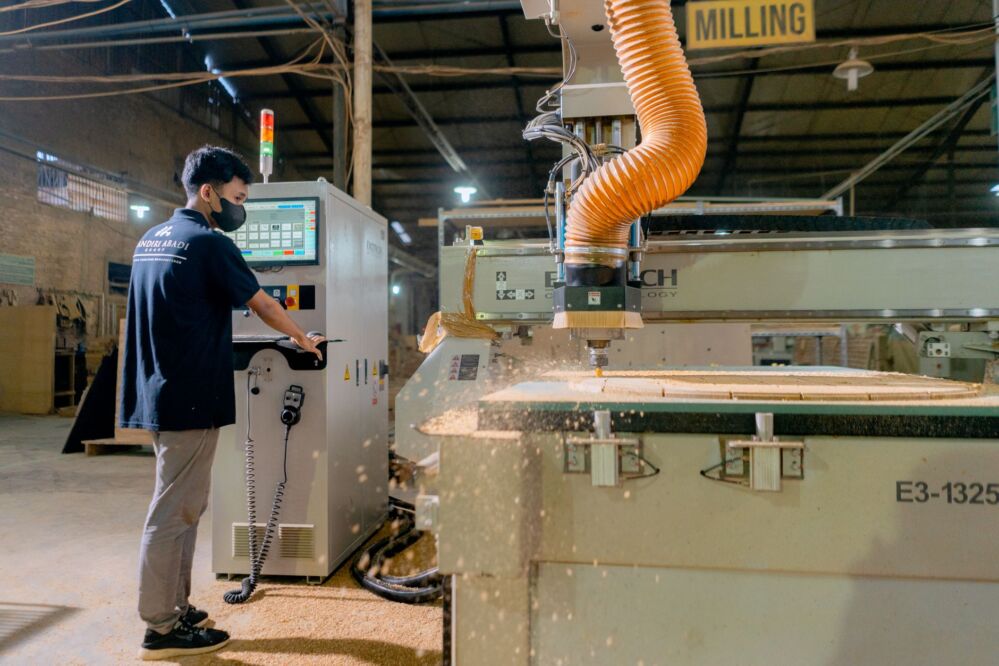
To enhance the longevity of your industrial rice milling equipment, implementing a robust maintenance plan is essential. Regularly check key components such as the hulling chamber, separators, and polishing units for wear and tear. Set a schedule for cleaning and replacing filters, as clogged filters can drastically reduce efficiency and lead to equipment failure. Additionally, keep a close eye on bearings and belts; lubricate them according to the manufacturer's guidelines to prevent overheating and malfunction. Consider using a vibration analysis tool to monitor the health of rotating parts, as early detection of irregularities can save you from costly repairs down the line.
Avoiding common pitfalls also involves training your staff on proper operating procedures. Ensure they understand how to identify potential issues, such as unusual noises or decreased output, which could signal a problem. Implement a checklist for daily inspections that includes verifying that all safety guards are in place and that the equipment is properly calibrated. Engaging in proactive measures, such as scheduling downtime for maintenance rather than waiting for breakdowns, can dramatically reduce overall downtime. For example, if your mill operates 10 hours a day, planning for maintenance during off-peak hours or on weekends can keep production flowing and improve your bottom line.
Streamline Your Operations: Effective Strategies for Integrating New Technology in Industrial Rice Milling Processes
Integrating new technology into industrial rice milling processes requires a strategic approach to ensure seamless operations and maximize efficiency. First, conduct a thorough analysis of your current processes and identify bottlenecks where technology could be beneficial. For instance, consider implementing an automated monitoring system that tracks moisture content in real-time, enabling you to adjust processing conditions on the fly. This can significantly reduce the likelihood of over-drying or under-drying rice, which often leads to quality issues and wasted resources. Additionally, when selecting software for inventory management, prioritize solutions that offer predictive analytics to optimize supply chain logistics, ensuring that you always have the right amount of raw materials on hand.
When integrating new technology, it’s essential to focus on training and user adoption. Often, the failure of new systems stems from insufficient staff training or resistance to change. Develop a comprehensive training program that includes hands-on workshops and continuous learning opportunities. For example, if you introduce a new milling machine with advanced control features, ensure that operators are not only familiar with the equipment but also understand how to troubleshoot common issues. Regular feedback sessions can help identify areas where employees struggle, allowing you to refine the training process. Moreover, consider establishing a pilot project to test new technology on a smaller scale before full implementation, which can help mitigate risks and provide valuable insights into potential operational improvements.
Wrapping Up
As we've explored in this article, the journey to achieving an efficient rice milling operation is paved with thoughtful upgrades, diligent maintenance, and strategic integration of technology. By focusing on these key areas, mill operators can not only enhance their output but also ensure the longevity of their equipment, ultimately leading to increased profitability in a competitive market. Embracing these practical tips will empower you to unlock the full potential of your rice milling processes, turning challenges into opportunities for growth. With the right approach, you can cultivate a thriving milling environment that meets the demands of today and prepares for the needs of tomorrow.