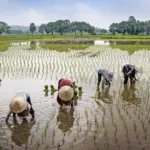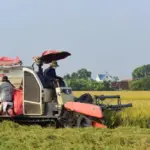
In a world increasingly driven by technological advancements, the agriculture sector faces an ongoing dilemma: how to balance the demands of modern efficiency with the wisdom of age-old practices. Rice, a staple food for over half of the global population, serves as a compelling case study in this discourse. As innovations in processing promise increased yields and reduced costs, a quiet yet powerful movement is emerging—one that seeks to reintegrate traditional techniques into contemporary rice processing. This article explores the potential benefits of embracing these time-honored methods, challenging the notion that progress must come at the expense of heritage. By examining the environmental impacts and the role of tradition in modernity, we aim to redefine what quality means in the realm of rice production, inviting readers to reconsider the value of practices that have stood the test of time.

Challenging the Status Quo: The Unexpected Benefits of Traditional Methods in Rice Processing
The reliance on modern, high-tech methods in rice processing often overshadows the significant advantages that traditional techniques can offer. While contemporary machinery promises efficiency, it can overlook critical aspects of quality that age-old practices prioritize. For instance, the use of hand-pounding and natural fermentation methods not only preserves the nutritional integrity of rice but also enhances flavors and textures that modern processes may strip away. This is particularly relevant in regions where consumer preferences lean towards the taste and quality of traditionally processed rice. In this context, traditional methods can be viewed not merely as relics of the past but as viable alternatives that cater to a discerning market focused on quality over quantity.
Moreover, traditional techniques provide a unique perspective on sustainability that modern practices often neglect. The trade-offs between speed and environmental impact become stark when we consider the energy consumption and waste generation associated with mechanized processing. Instead of viewing traditional methods as outdated, stakeholders should recognize their potential for reducing carbon footprints and enhancing biodiversity. Nuanced recommendations for integrating these practices could include:
- Utilizing traditional paddy drying methods to reduce reliance on energy-intensive dryers.
- Encouraging local farmers to adopt mixed cropping systems that enhance soil health and reduce pest pressures naturally.
- Promoting consumer education around the benefits of traditionally processed rice, creating a market that values quality and sustainability.
By challenging the status quo, we open the door to a more balanced and thoughtful approach to rice processing, one that respects both the environment and the rich heritage of agricultural practices.
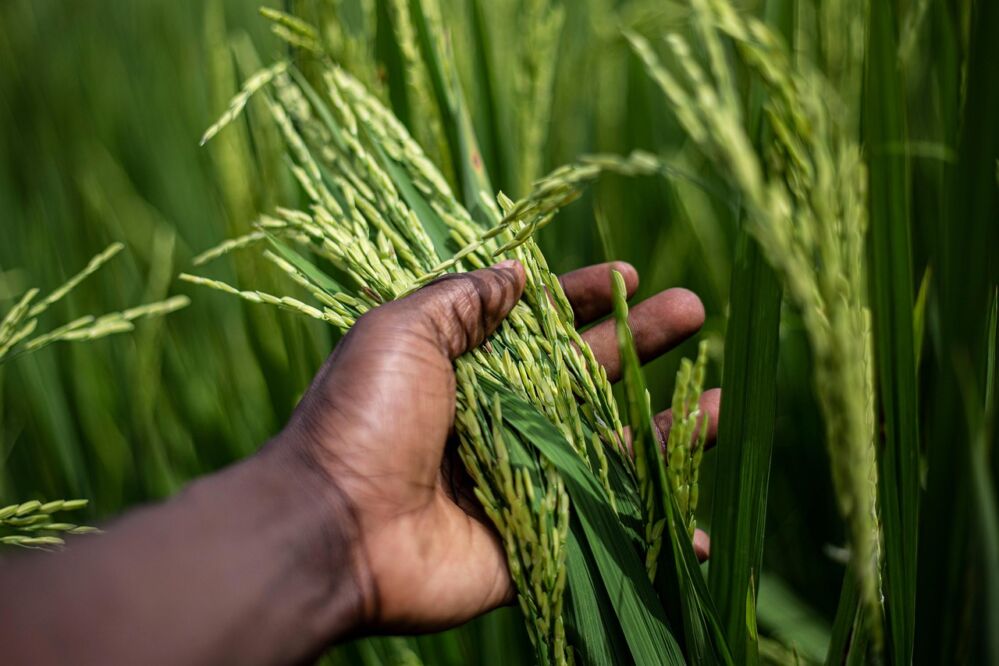
Beyond Efficiency: Examining the Environmental Impact of Conventional Techniques in Modern Rice Production
The environmental impact of conventional techniques in modern rice production extends beyond mere efficiency, presenting a complex interplay of benefits and drawbacks that often go unexamined. Conventional methods, while designed for maximum yield and speed, frequently contribute to significant ecological degradation. Practices such as excessive water usage, reliance on chemical fertilizers, and monoculture cropping not only deplete natural resources but also disrupt local ecosystems. The following considerations highlight the multifaceted repercussions of these approaches:
- Water Consumption: Conventional rice farming typically requires vast amounts of water, leading to the depletion of local water sources and increased salinity in soil.
- Soil Health: Heavy reliance on chemical inputs can result in soil degradation, reducing its fertility over time and necessitating even more chemical intervention.
- Biodiversity Loss: Monoculture practices diminish biodiversity, which is crucial for resilient ecosystems and pest control.
In contrast, traditional rice processing techniques often embrace more sustainable practices, yet they are frequently dismissed as outdated. A nuanced understanding of these methods reveals their potential to mitigate environmental harm while maintaining productivity. For instance, integrating traditional water management techniques like satuari (flooding fields during specific growth phases) can significantly reduce water use and promote healthier soils. Additionally, implementing crop rotation and polyculture can bolster biodiversity and improve resilience against pests and diseases.
| Conventional Techniques | Traditional Techniques |
|---|---|
| High water usage | Efficient water management |
| Synthetic fertilizers | Organic amendments |
| Monoculture | Crop diversity |
Adopting a more holistic view encourages a re-evaluation of the trade-offs involved in modern rice production. While conventional practices may promise immediate gains, they often come at a long-term environmental cost that could undermine future agricultural viability. Embracing traditional methods does not merely serve ecological interests but can also lead to a more sustainable and resilient agricultural system overall.
Balancing Tradition and Innovation: The Case for Integrating Heritage Practices in High-Tech Rice Processing
Integrating heritage practices into high-tech rice processing requires a nuanced understanding of both the tangible and intangible benefits of traditional techniques. While modern machinery enhances efficiency and scalability, it often strips away the cultural significance and sensory qualities inherent in heritage methods. For instance, traditional milling processes not only preserve the nutritional value of rice but also foster a connection between producers and consumers, enriching the food's story. The challenge lies in identifying which elements of these practices can seamlessly complement modern technologies. Key considerations include:
- Nutritional Integrity: Assessing how traditional methods can enhance the nutrient profile of rice while using modern processing techniques.
- Cultural Value: Understanding the role of heritage practices in consumer perception and market differentiation.
- Sustainability: Evaluating the environmental impact of integrating traditional methods into high-tech systems.
In this delicate balancing act, the risk is that an over-reliance on technology may lead to a homogenized product that lacks local identity and flavor. Therefore, it is vital for stakeholders to embrace a hybrid model that values both tradition and innovation. Examples of potential solutions include:
| Integration Strategy | Benefits |
|---|---|
| Collaborative Workshops | Facilitate knowledge transfer between traditional artisans and tech developers. |
| Dual Processing Lines | Maintain separate lines for high-tech and traditional methods to cater to diverse market segments. |
| Consumer Education Programs | Promote the unique qualities of heritage rice, creating a demand for products that emphasize traditional processing. |
Such strategies can ensure that the essence of heritage practices is not lost but rather amplified through technology, leading to a richer product that honors both the past and the future.
Wrapping Up
As we navigate the intricate landscape of rice processing, it becomes evident that the path to sustainable agriculture does not lie solely in the embrace of modern technology. By recognizing the invaluable contributions of traditional techniques, we can forge a future that honors our agricultural heritage while also meeting contemporary demands. The fusion of age-old wisdom with innovative practices holds the promise of not only enhancing efficiency but also fostering environmental stewardship and cultural preservation. Embracing this balance invites us to challenge the status quo and explore a richer, more sustainable approach to rice production that benefits both our farmers and the planet. In redefining quality, we find that the past can illuminate the way forward, guiding us towards a more harmonious relationship with the land we cultivate.