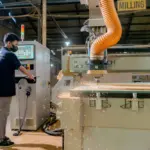
In the ever-evolving landscape of food technology, the processing of cereals stands at the forefront of innovation, blending tradition with cutting-edge advancements. As global demand for healthier and more nutritious food options surges, the need for refined cereal processing techniques has never been greater. This article embarks on a technical journey through the intricate world of advanced cereal processing technologies, illuminating the precision techniques that redefine material properties and enhance nutritional value. We will delve into the performance indicators that guide strategic decision-making, uncovering both the limitations and opportunities that lie within this dynamic field. Furthermore, we will explore the engineering choices that underpin cereal technology, providing a comprehensive review of the specifications and quality factors essential for achieving optimal outcomes. Together, these elements weave a narrative that not only highlights the complexities of cereal processing but also underscores its pivotal role in shaping the future of our food systems.
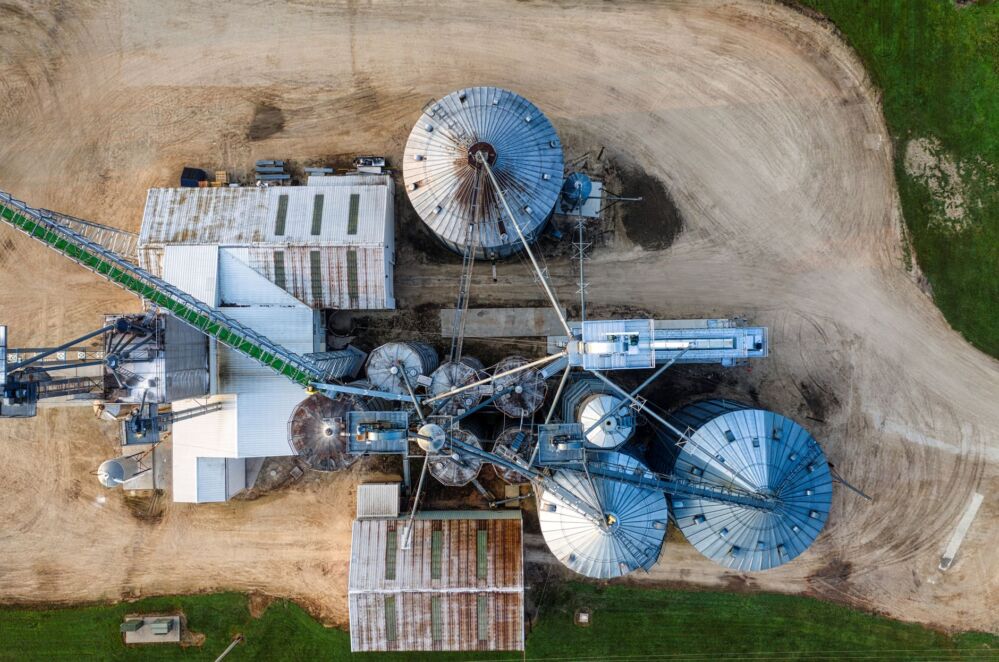
Innovations in Cereal Structure: Examining Material Properties and Processing Techniques for Enhanced Nutritional Value
Recent advancements in cereal processing have focused on enhancing the nutritional value of cereals through modifications in their structural properties. Techniques such as extrusion, fermentation, and milling have been optimized to improve bioavailability of nutrients and functional properties. For instance, extrusion cooking modifies the physical and chemical properties of starches and proteins, resulting in a more digestible product. This process can increase the solubility of dietary fibers and vitamins, making them more accessible for absorption. By adjusting parameters such as temperature, moisture content, and screw speed during extrusion, manufacturers can fine-tune the structural characteristics of the final product to achieve specific health benefits, such as higher antioxidant activity and lower glycemic index.
Moreover, innovations in processing techniques are complemented by a deeper understanding of material properties such as gelatinization, amylose-amylopectin ratios, and hydrophobicity. These properties significantly influence the texture, digestibility, and nutrient retention of cereal products. For example, the use of enzymatic treatments can alter the structural integrity of cell walls, facilitating nutrient release during digestion. A comparative analysis of conventional versus high moisture extrusion shows that high moisture methods yield cereals with enhanced nutrient profiles due to reduced degradation of heat-sensitive vitamins. However, limitations such as increased processing costs and the potential for nutrient loss under certain conditions must be carefully managed. Performance factors such as energy efficiency, throughput, and product consistency are critical in evaluating the effectiveness of these advanced processing techniques.
| Processing Technique | Nutritional Enhancement | Limitations |
|---|---|---|
| Extrusion | Increased digestibility and antioxidant activity | High energy consumption |
| Fermentation | Enhanced bioavailability of vitamins | Time-consuming and requires specific conditions |
| Enzymatic Treatment | Improved nutrient release | Potential for over-processing |
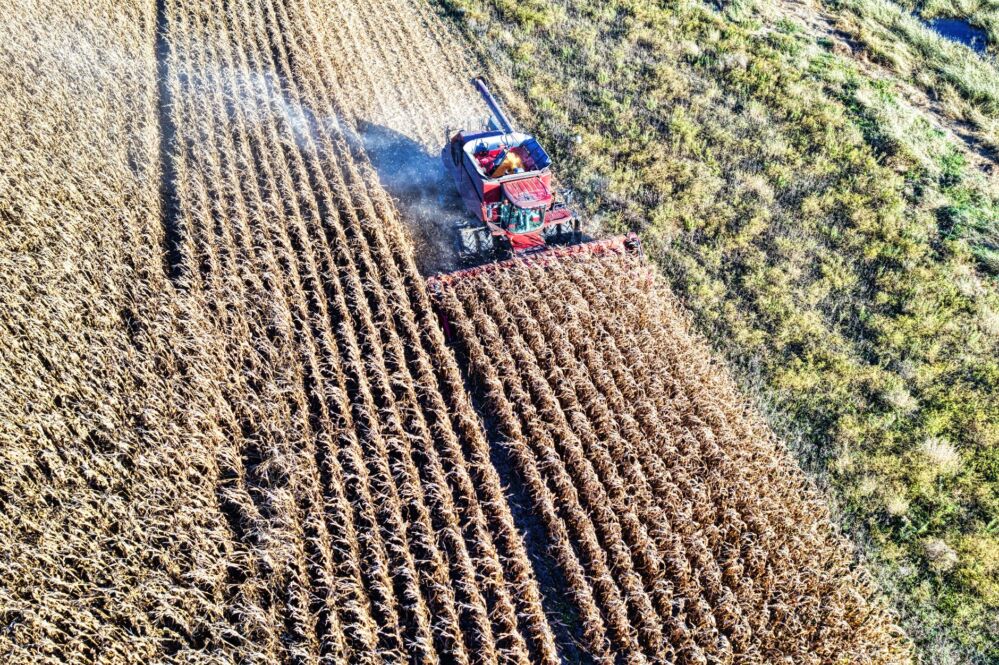
Strategic Approaches to Performance Metrics: Assessing Limitations and Opportunities in Advanced Cereal Processing
In advanced cereal processing, the strategic application of performance metrics is crucial for identifying both limitations and opportunities within production systems. The primary mechanisms of these metrics can be categorized into two main domains: efficiency and quality. Efficiency metrics often include throughput rates, energy consumption per unit of output, and labor costs associated with production. For instance, a facility aiming to optimize its energy use might implement real-time monitoring systems that track energy consumption across various processing stages, allowing for adjustments that minimize waste. On the quality front, metrics such as moisture content, nutrient retention, and sensory attributes (taste, texture, appearance) are vital. The challenge lies in balancing these often competing metrics; for example, increasing throughput may lead to diminished product quality if not managed carefully.
The limitations of current performance metrics are multifaceted, including the challenge of integrating new technologies with traditional processing methods. For example, while high-temperature short-time (HTST) processing can improve efficiency, it may adversely affect the nutritional profile of the cereal. Additionally, reliance on traditional metrics can lead to a narrow focus that overlooks broader sustainability considerations, such as environmental impact and social responsibility. To effectively address these constraints, companies must adopt a more holistic approach, utilizing a multi-criteria decision analysis (MCDA) framework that considers a wider array of performance indicators. This approach facilitates informed decision-making by comparing trade-offs among various metrics, thereby identifying opportunities for innovation. As an illustration, a comparative evaluation of two processing techniques—extrusion versus conventional milling—can reveal insights into how each method impacts not just efficiency and quality, but also sustainability and market acceptance.
| Metric Type | Example Indicators | Limitations |
|---|---|---|
| Efficiency | Throughput, energy consumption | May compromise quality |
| Quality | Nutrient retention, sensory attributes | Limited focus on sustainability |
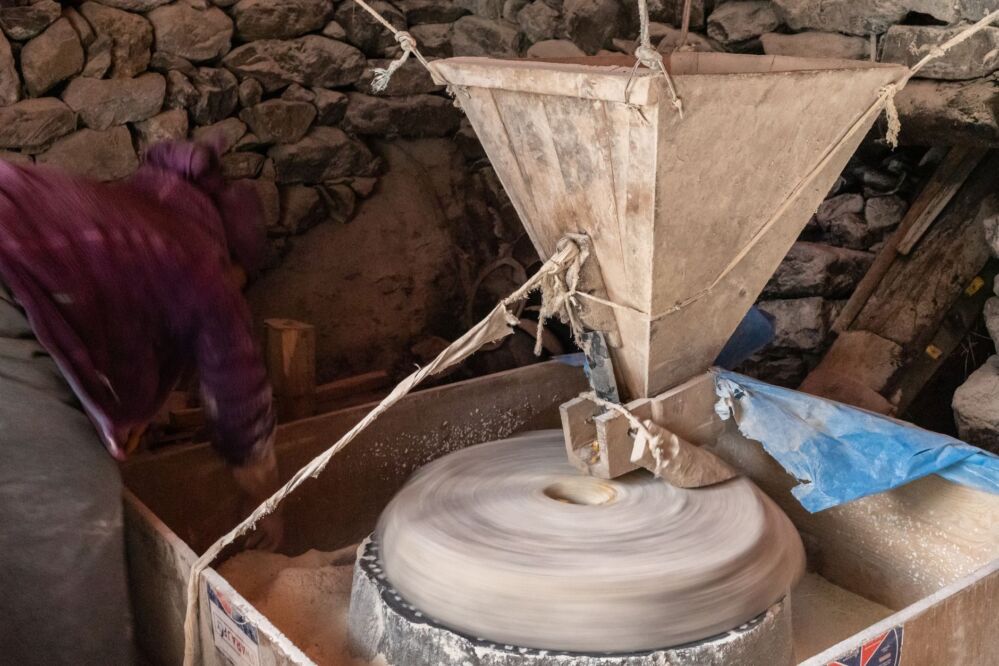
Engineering Decisions in Cereal Technology: A Comprehensive Review of Specifications and Quality Factors for Optimal Outcomes
Engineering decisions in cereal technology are driven by a comprehensive understanding of various specifications and quality factors that influence processing effectiveness. Key factors include moisture content, particle size, and thermal properties, which determine how cereals behave during processing. Moisture content is critical; for instance, an optimal moisture level (typically between 12-14%) is essential for achieving desired texture and shelf-life. Particle size affects both the surface area exposed during cooking and the efficiency of extraction processes, with smaller particles often yielding higher extraction rates. Additionally, understanding thermal properties such as specific heat and thermal conductivity allows for precise control during baking or extrusion, ensuring uniformity in finished products.
In evaluating the specifications for optimal outcomes, comparisons among various processing techniques—such as extrusion, milling, and baking—reveal their respective limitations and strengths. For example, extrusion can enhance protein digestibility and improve the texture of cereals, but it requires careful control of temperature and moisture to prevent degradation of sensitive nutrients. Conversely, milling can produce a range of flour types, but excessive milling may lead to nutrient loss and affect the final product's quality. Performance factors like energy efficiency, yield, and product consistency must be meticulously monitored to inform strategic decisions. A well-structured table can aid in visualizing these comparisons, enabling engineers to make informed choices that align with both consumer expectations and regulatory standards.
Insights and Conclusions
In conclusion, the exploration of advanced cereal processing technologies reveals a dynamic interplay between innovation, nutritional enhancement, and strategic engineering decisions. As the industry continues to adopt precision techniques, it not only improves the quality and efficiency of cereal products but also addresses the complexities inherent in performance metrics. By understanding and utilizing these advancements, stakeholders can make informed choices that balance tradition with modernity, ultimately leading to a more sustainable and health-conscious future in cereal processing. The ongoing journey of cereal technology promises to reshape our food landscape, making it an exciting area to watch in the years to come.