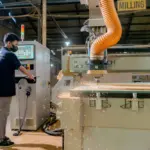
In the ever-evolving landscape of agricultural technology, paddy processing machinery stands at the forefront of innovation, playing a critical role in transforming raw grains into market-ready products. As global demand for rice surges, the pressure to enhance efficiency and output quality has never been greater. This article delves into the intricate world of paddy processing, exploring how advancements in material design, a thorough understanding of technical limitations, and the adoption of engineering best practices can optimize performance across the board. Furthermore, we will conduct a comparative analysis of energy consumption between traditional and modern processing systems, illuminating the path toward sustainable practices in the industry. Join us as we examine the specifications and innovations that are shaping the future of paddy processing, ensuring that it meets the challenges of today while paving the way for a more efficient tomorrow.

Innovations in Material Design for Enhanced Durability and Efficiency in Paddy Processing Equipment
Recent advancements in material design have significantly influenced the durability and efficiency of paddy processing equipment. The integration of high-performance materials, such as advanced composites and specialized alloys, has been pivotal in enhancing the structural integrity of machinery components. For example, the use of carbon fiber reinforced polymers (CFRP) has garnered attention due to their exceptional strength-to-weight ratio and resistance to corrosion, which are critical in environments where moisture and organic compounds are prevalent. Additionally, innovations like thermal-resistant coatings for components exposed to high temperatures during milling processes have minimized wear and tear, thereby extending equipment lifespan and reducing maintenance costs.
In terms of performance specifications, the adoption of wear-resistant materials contributes to lower operational friction and energy consumption. A comparative analysis of different material types reveals that equipment utilizing hardened steel components can operate efficiently under heavy loads, while ceramic-based materials provide superior wear resistance in abrasive conditions. The following table summarizes key performance factors associated with various materials used in paddy processing equipment:
| Material Type | Strength | Wear Resistance | Cost |
|---|---|---|---|
| CFRP | High | Moderate | High |
| Hardened Steel | Very High | High | Moderate |
| Ceramic Composites | Moderate | Very High | High |
| Stainless Steel Alloys | High | Moderate | Moderate |
While these innovations enhance efficiency, it is crucial to consider the limitations associated with each material. For instance, while CFRP provides exceptional performance, its high cost may deter widespread adoption in smaller operations. Balancing the material selection with cost-effectiveness and specific operational needs is essential for optimizing paddy processing machinery performance.

Technical Limitations and Performance Enhancements: A Systematic Review of Paddy Processing Technologies
The performance of paddy processing technologies is often constrained by several technical limitations that impact both efficiency and output quality. One key limitation is the variability in grain characteristics, such as moisture content and kernel integrity, which can significantly affect processing outcomes. For instance, machines designed with fixed settings may struggle to optimize performance across different batches of paddy, leading to suboptimal milling results and increased breakage rates. Additionally, the efficiency of husking and milling processes can be hampered by inadequate calibration of the machinery. To counteract these issues, many manufacturers have begun integrating adaptive control systems that utilize real-time data analytics to adjust machine parameters dynamically, ensuring optimal processing conditions for varying grain types.
Performance enhancements in paddy processing machinery can also be achieved through advancements in mechanical design and automation. The incorporation of high-speed rollers and pneumatic systems in huskers can reduce processing time while minimizing grain damage. Furthermore, the implementation of sensors and IoT technologies facilitates predictive maintenance, allowing for timely interventions that prevent equipment failures. A comparative analysis of traditional and modern systems reveals a marked difference in energy consumption and throughput. For example, a study may show that advanced systems can achieve a 20% increase in output per hour while consuming 15% less energy compared to conventional models. Below is a table summarizing key performance metrics:
| System Type | Output (kg/hour) | Energy Consumption (kWh) |
|---|---|---|
| Traditional | 500 | 30 |
| Modern | 600 | 25 |
These enhancements exemplify how integrating modern technologies can address existing limitations and improve the overall performance of paddy processing systems.
Engineering Best Practices for Maximizing Output Quality in Paddy Processing Machinery
Maximizing output quality in paddy processing machinery necessitates a holistic approach that incorporates precise engineering standards and rigorous testing protocols. Key mechanisms such as mechanical separation and de-husking efficiency are critical in determining the quality of the final product. To enhance these mechanisms, adherence to specifications such as tolerance levels for component fittings and adjustable speed controls for processing elements is essential. For instance, using a multi-stage de-husking system that allows for incremental removal of husks can significantly reduce grain breakage, with optimal settings typically yielding a breakage rate below 5%. Furthermore, implementing real-time monitoring systems that utilize sensors can provide immediate feedback on moisture content and grain quality, facilitating adjustments that enhance output quality.
In addition to mechanical specifications, engineering best practices must also consider the material selection and design of processing components. For example, utilizing ceramic-coated surfaces in milling sections can minimize friction and wear, thus maintaining quality while extending the life of the machinery. The following criteria should be evaluated to optimize performance:
- Energy Efficiency: Assessing the energy consumption rates of different machinery models can lead to choices that not only save costs but also enhance operational output.
- Maintenance Protocols: Establishing predictive maintenance schedules based on operational data can prevent downtimes that affect output quality.
- Comparative Analysis of Processing Techniques: Evaluating traditional versus modern techniques, such as comparing traditional stone milling with modern roller milling, reveals differences in yield and quality that can guide machinery upgrades.
By integrating these best practices, paddy processing facilities can significantly improve the quality of their output, resulting in better market acceptability and profitability.
Comparative Analysis of Energy Consumption and Performance in Traditional versus Modern Paddy Processing Systems
In the comparative analysis of energy consumption and performance between traditional and modern paddy processing systems, several key factors emerge, highlighting the technological advancements and efficiency gains achieved in contemporary systems. Traditional methods, often reliant on manual labor and mechanical processes, exhibit significant energy inefficiencies due to their reliance on outdated machinery and practices. For instance, traditional milling may utilize diesel-powered threshers that consume approximately 50 liters of fuel per ton of rice processed, resulting in higher operational costs and increased carbon emissions. In contrast, modern processing systems have embraced automation and electric-powered machinery, which not only enhances throughput but also reduces energy consumption substantially. Current electric-powered milling systems can achieve energy efficiencies of up to 70% compared to their traditional counterparts, facilitated by the implementation of variable frequency drives (VFDs) that optimize motor speed and power usage based on real-time processing demands.
The performance metrics of these systems further illustrate the advantages of modern technology. When evaluating key specifications such as processing capacity, recovery rates, and overall equipment effectiveness (OEE), modern paddy processing systems typically outperform traditional setups. For example, while traditional systems may achieve a recovery rate of around 60-65%, modern machines, equipped with advanced sensors and automated sorting technologies, can improve this metric to 75-80%, minimizing grain loss during processing. Additionally, the integration of IoT technologies allows for real-time monitoring and predictive maintenance, significantly reducing downtime and enhancing productivity. However, it is essential to consider limitations such as the initial capital investment required for modern systems, which may deter smallholder farmers from transitioning. Nonetheless, the long-term operational savings and improved output quality present a compelling case for the adoption of modern paddy processing technologies.
| Criteria | Traditional Systems | Modern Systems |
|---|---|---|
| Energy Consumption (per ton) | 50 liters of diesel | 15 liters of electricity |
| Recovery Rate | 60-65% | 75-80% |
| Initial Investment | Low | High |
| Operational Efficiency | Moderate | High |
The Conclusion
In conclusion, the exploration of paddy processing machinery reveals a dynamic interplay of innovation, material science, and engineering practices that collectively drive the agricultural sector towards greater efficiency and quality. By understanding the specifications and limitations of these technologies, stakeholders can make informed decisions that enhance productivity and sustainability. The comparative analysis of traditional and modern systems underscores the significant advancements made, paving the way for future developments in paddy processing. As the industry continues to evolve, embracing these insights will be crucial for optimizing performance and meeting the growing demands of the market.