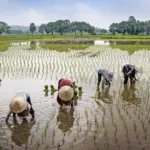
In the intricate tapestry of global food production, small rice mills often occupy a pivotal yet understated role. As the backbone of many rural economies, these mills not only contribute to local food security but also enhance the economic viability of communities. In a world where agricultural practices are constantly evolving, the strategic importance of small rice mills becomes increasingly apparent. They serve as a crucial link between farmers and consumers, transforming raw grains into a staple food while fostering advancements in technology, community engagement, sustainability, and financial accessibility. This article delves into the multifaceted impact of small rice mills, exploring how they can be harnessed to bolster local economies and promote resilient food systems. Through a comprehensive examination of their operations and the challenges they face, we aim to illuminate the path forward for these essential enterprises in shaping a sustainable agricultural future.

Promoting Technological Advancements in Small Rice Mills for Increased Efficiency
Investing in technological advancements is crucial for small rice mills aiming to enhance efficiency and productivity. Start by assessing the current machinery used in your operations. Often, outdated equipment can lead to increased downtime and lower quality output. Consider upgrading to modern milling machines that utilize advanced technology for better precision and reduced waste. For instance, vertical rice mills are known to improve milling efficiency by up to 30% compared to traditional horizontal mills. Additionally, implementing automated systems for sorting and packaging can streamline operations. Regularly consult with specialists to analyze performance and identify bottlenecks in your processes.
When adopting new technologies, training staff is equally important to maximize the benefits. Ensure that all employees are familiar with any new equipment and understand best practices for operation and maintenance. Establish a feedback loop where workers can report on machinery performance and suggest improvements. This can help in identifying recurring issues, such as frequent breakdowns or inefficiencies. Moreover, consider collaborating with agricultural universities or technology providers to stay informed about emerging trends and innovations that could be adapted to your mill. By fostering a culture of continuous improvement and embracing technological advancements, small rice mills can significantly enhance their operational efficiency and market competitiveness.

Integrating Community Engagement Strategies to Strengthen Local Rice Milling Operations
Engaging the community is essential for the success of local rice milling operations. Start by establishing partnerships with local farmers, cooperatives, and agricultural extension services. Regular meetings and workshops can foster a collaborative environment where stakeholders share insights on market needs, production techniques, and quality standards. Key actions include:
- Identify local stakeholders: Create a list of farmers, suppliers, and community leaders who can contribute to and benefit from the milling operation.
- Set up regular communication channels: Utilize newsletters, social media, or community boards to keep everyone informed about operational updates and market trends.
- Organize training sessions: Focus on best practices in rice production, milling techniques, and quality control, ensuring all participants understand their role in the supply chain.
Common pitfalls include neglecting to solicit feedback from the community and failing to adapt to changing local needs. For instance, if a mill does not listen to farmers' concerns about pricing or quality, it may lose their business to competitors. Instead, prioritize community input to refine your operations. Consider implementing a local advisory board that includes representatives from various community sectors. This group can help you identify new opportunities for collaboration, such as shared marketing initiatives or joint purchasing agreements, ultimately leading to a stronger, more resilient local economy.
Exploring Sustainable Practices in Small Rice Mills to Enhance Environmental Resilience
To enhance environmental resilience in small rice mills, operators should prioritize the implementation of sustainable practices that reduce waste and energy consumption. Key steps include:
- Implementing water-efficient milling processes: Consider adopting equipment that minimizes water use during the milling process. For instance, using closed-loop systems can recycle water, significantly reducing overall consumption.
- Utilizing renewable energy sources: Transitioning to solar or biogas energy for mill operations not only decreases reliance on fossil fuels but can also lower operational costs over time. An example includes installing solar panels to power machinery during peak daylight hours.
Despite the potential benefits, mills often face challenges in adopting these practices. Common pitfalls include underestimating the initial investment required for sustainable technologies and failing to conduct proper training for staff on new systems. To mitigate these issues, mills should:
- Conduct a cost-benefit analysis: Evaluate the long-term savings versus initial costs of sustainable practices. For instance, while the upfront cost of solar panels may be high, the reduction in electricity bills can lead to significant savings within a few years.
- Engage in training and development: Ongoing education for employees on the importance and operation of sustainable practices helps ensure successful implementation. This could involve partnerships with local universities or agricultural organizations to provide workshops and training sessions.
By embracing these strategies, small rice mills can not only enhance their environmental resilience but also position themselves as leaders in sustainable agriculture within their communities.
Facilitating Access to Financial Resources for Small Rice Mill Entrepreneurs to Boost Growth
Access to financial resources is critical for small rice mill entrepreneurs aiming to expand their operations and improve profitability. To facilitate this access, start by identifying potential funding sources such as government grants, microfinance institutions, and agricultural development loans. Consider the following steps:
- Research and Apply for Grants: Look for local and national programs that offer financial assistance specifically for agricultural businesses. For instance, the USDA often has grants for farmers and related industries.
- Network with Financial Institutions: Build relationships with banks and credit unions that specialize in agricultural lending. They can provide tailored financial products and advice that suit your specific needs.
- Explore Cooperative Financing: Joining or forming cooperatives can provide collective bargaining power, allowing small rice millers to secure better financing terms and share resources.
Common pitfalls include relying solely on high-interest loans or failing to understand repayment terms. To avoid these mistakes, ensure you have a clear financial plan that outlines how you will utilize funds and manage repayments. Here’s a quick comparison table of financing options:
| Financing Option | Pros | Cons |
|---|---|---|
| Government Grants | No repayment required | Highly competitive application process |
| Microfinance Institutions | Lower interest rates | Smaller loan amounts available |
| Traditional Bank Loans | Larger sums available | May require collateral |
| Cooperative Financing | Shared risk and resources | Limited to members' contribution |
By diversifying funding sources and understanding the specific requirements of each option, small rice mill entrepreneurs can make smarter financial decisions that foster growth and sustainability.
Key Takeaways
In conclusion, small rice mills stand as integral pillars within the framework of local food production and economic sustainability. By embracing technological advancements, fostering community partnerships, implementing sustainable practices, and securing financial support, these mills can significantly enhance their operational efficiency and contribute to the resilience of rural economies. As we navigate the complexities of food security and economic viability, recognizing and empowering the role of small rice mills will be essential in cultivating a more sustainable and prosperous future for communities worldwide.