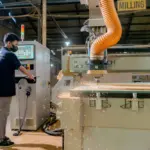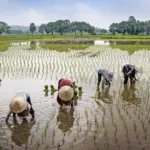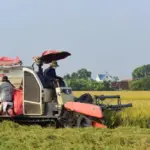
In the intricate dance of agriculture and technology, few processes embody the essence of tradition and innovation quite like rice polishing. At the heart of this grain transformation lies a remarkable tool: the jet rice polisher. This machine not only enhances the aesthetic appeal of rice but also serves as a bridge connecting generations, cultures, and communities. As we delve into the world of jet rice polishers, we uncover a tapestry woven with stories of artisans who honor their heritage while embracing the winds of change. From the rhythmic hum of machinery to the textures of polished grains, this journey invites us to explore how a simple act of polishing rice can reflect broader narratives of resilience, adaptation, and the enduring human spirit.
Whispers of the Past: How Heritage Shapes the Craft of Jet Rice Polishers
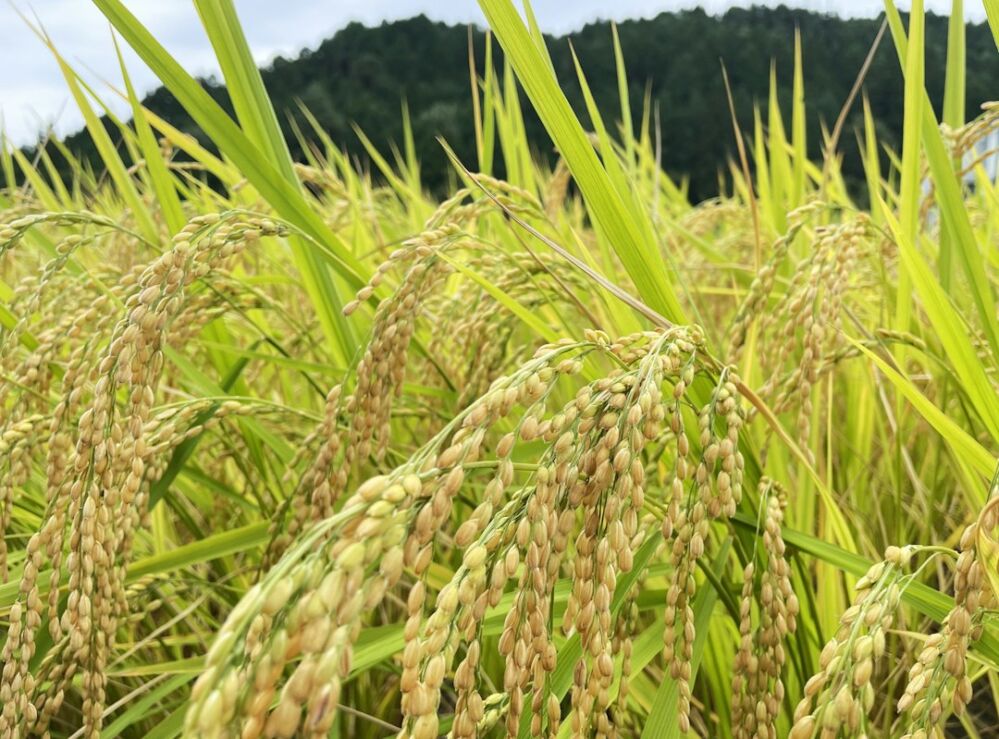
In the small village of Awasari, the legacy of rice polishing has been passed down through generations, rooted deeply in the community's identity. Here, every jet rice polisher hums a familiar tune, a melody intertwined with the stories of ancestors who first embraced this craft. For example, Ram Rao, a third-generation polisher, often recalls how his grandfather meticulously crafted his first wooden polisher, ensuring it reflected both utility and tradition. The decision to incorporate a jet polisher was not merely about efficiency; it was a way to honor that legacy while adapting to the changing demands of the market. Ram faced skepticism from some community members who were wary of abandoning traditional methods. However, watching the polished rice gleam like pearls, he realized that honoring the past did not mean resisting progress.
The impact of heritage on the craft becomes even clearer when considering the training of younger artisans. Many, like Priya, Ram's apprentice, initially approach the craft with the expectation that technology alone would suffice. Yet, as she learns to balance the art of manual polishing with the precision of the jet machine, she discovers the subtleties that each technique offers. The contrast between her initial beliefs and the reality of the craft reveals a vital lesson: heritage is not a relic of the past but a living, breathing guide that informs every decision in the workshop. As she masters the nuances of both methods, Priya begins to weave her own narrative, one that respects the whispers of those who came before her while also embracing the possibilities of tomorrow.
Navigating Change: The Balancing Act Between Tradition and Innovation in Grain Processing
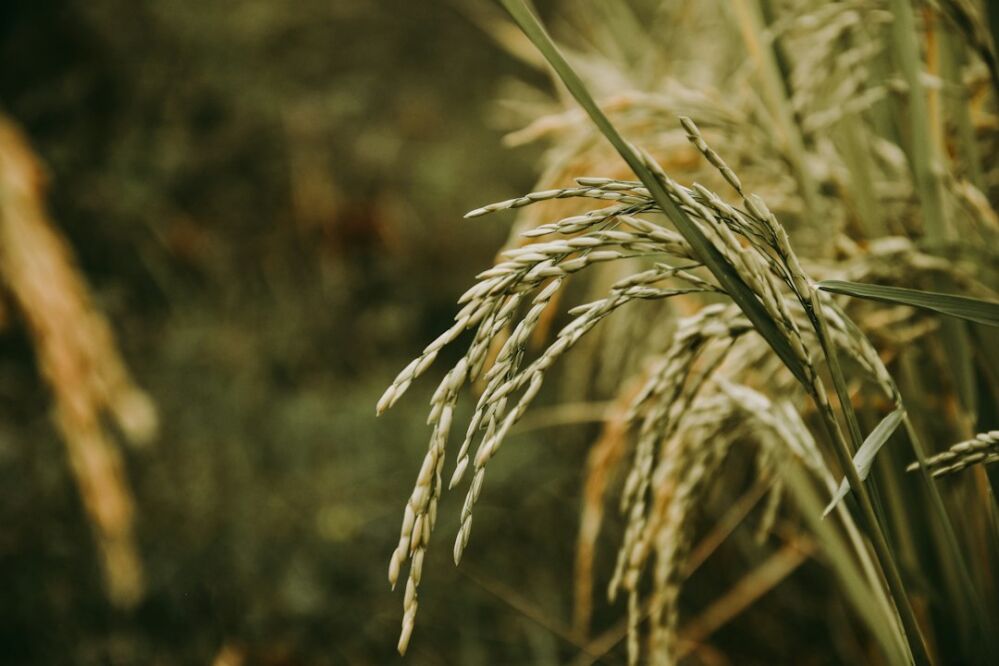
In the realm of grain processing, the convergence of tradition and innovation can often feel like a tightrope walk, with each step requiring careful consideration. Take, for instance, Rajesh, a mill owner in the heart of Punjab, who has been in the rice polishing business for over three decades. His father had always relied on traditional methods, using hand-operated polishers that brought a distinct flavor and texture to the rice. Yet, as consumer preferences evolved, Rajesh faced a critical decision: stick with the old ways or embrace new technology that promised efficiency and consistency. After much deliberation, he opted for a jet rice polisher, a choice that not only modernized his operations but also raised questions about the authenticity of his product. Through this transition, he learned that innovation doesn't have to mean abandoning heritage; rather, it can enhance it by creating a bridge between the past and the future.
This balancing act is not unique to Rajesh. Across the globe, millers grapple with similar dilemmas. In Vietnam, Linh, who inherited her family’s rice mill, initially resisted the shift toward automated polishers, fearing it would compromise the cultural essence of their rice. However, after observing the rising demand for polished rice in urban markets, she decided to integrate jet polishers into her process while maintaining a portion of traditional methods for local customers. The result was a diversified product line that honored tradition while catering to modern tastes. By collecting feedback from both sets of clients, she discovered that customers appreciated the option to choose, reinforcing the idea that tradition and innovation can coexist. This evolving landscape demonstrates that navigating change isn’t merely about choosing sides; it’s about creating a narrative that incorporates the rich stories of the past within the framework of modern advancements.
Moments of Transformation: Personal Stories Behind the Machines That Polish Rice
In the heart of the bustling town of Nandur, a small rice mill run by the Sharma family embodies a blend of personal stories and the relentless march of technology. Anjali Sharma, the youngest in the family, recalls her childhood days spent watching her father, Rajesh, meticulously polish rice using a traditional method. The rhythmic sounds of the machine were music to her ears, but as she grew older, the demands of the market began to change. Faced with dwindling profits and increasing competition, Rajesh had to make a pivotal decision: adapt to modern jet rice polishers or risk losing their long-standing business. Anjali vividly remembers the day they brought in the new machine. "I was both excited and scared," she admits. "It felt like we were letting go of our heritage, but my father knew it was necessary for our survival." The transition wasn't easy; the family faced skepticism from long-time customers who cherished the old ways. However, after several weeks of using the jet polisher, they noticed a significant improvement in the quality and consistency of their rice.
Meanwhile, in a neighboring village, the transformation was more abrupt for the Rao family. When they first introduced jet polishing, they expected an immediate boost in sales. Instead, they encountered unexpected challenges. The machine required more maintenance than anticipated, and the learning curve was steep for the older generation who had relied solely on traditional methods. They struggled to find the right balance, leading to a temporary dip in product quality. Yet, this setback became a pivotal learning moment; Riya Rao, the family’s tech-savvy daughter, took charge. She organized training sessions for her family, blending traditional knowledge with the new technology. As a result, they not only improved their processing time but also found ways to incorporate local flavors into their polished rice, enhancing its appeal. This journey taught them resilience and the importance of embracing change while respecting their roots, highlighting that every machine has a story, shaped by the hands that operate it.
Lessons from the Grain: Community Connections and the Impact of Jet Rice Polishers on Lives
In the heart of rural communities, the introduction of jet rice polishers has not only enhanced the quality of rice but also strengthened bonds among families and neighbors. For instance, in the village of Chikhaldara, the local mill, once a place of solitary labor, has transformed into a hub of social interaction. As families gather to process their harvest, they exchange stories, share recipes, and discuss the challenges of farming. The decision to invest in a jet rice polisher came after several farmers realized they could improve their profits by producing higher-quality rice. Initially, there were concerns about the machine's complexity and the fear of losing traditional techniques. However, the results spoke for themselves—more refined rice brought new customers and markets, enabling families to invest in education and health, thus uplifting the entire community.
The impact of these machines extends beyond mere economics; they symbolize a shift in mindset. In towns like Khamgaon, where rice polishing was once an arduous task handled by women in the early mornings, the introduction of jet polishers has prompted a re-evaluation of roles and responsibilities. Women who once spent hours polishing rice by hand now find themselves with extra time to pursue education or engage in small business ventures. This shift not only empowers them but also fosters a new generation of leaders in the community. While the initial expectation was that technology would replace traditional roles, the outcome has been the opposite: a collaborative environment where tradition is honored and innovation is embraced, resulting in a redefined identity for these villages.
Concluding Remarks
As we conclude our exploration of jet rice polishers, it's clear that these remarkable machines are more than mere tools; they are catalysts of change and continuity. Through the lens of personal stories and community legacies, we see how the art of rice polishing intertwines with the lives of those who dedicate themselves to this age-old craft. The delicate balance between preserving tradition and embracing innovation enriches not just the grain, but the very fabric of rural life. In a world where technology continually reshapes our landscapes, the heart of grain remains a testament to the enduring spirit of communities that strive to honor their past while forging a path towards the future.