
In the world of rice production, efficiency and precision are paramount, especially in an automatic rice mill plant where the delicate balance of technology and tradition plays a crucial role. Unlocking the secrets to seamless operation requires more than just state-of-the-art machinery; it demands a comprehensive understanding of maintenance practices, operational strategies, and the foresight to avoid common pitfalls. As the heart of the rice supply chain, these plants not only contribute to the economy but also impact food security and sustainability. This article delves into essential tips and insights to help operators navigate the complexities of running an automatic rice mill effectively, ensuring smooth processes and optimal performance from start to finish.
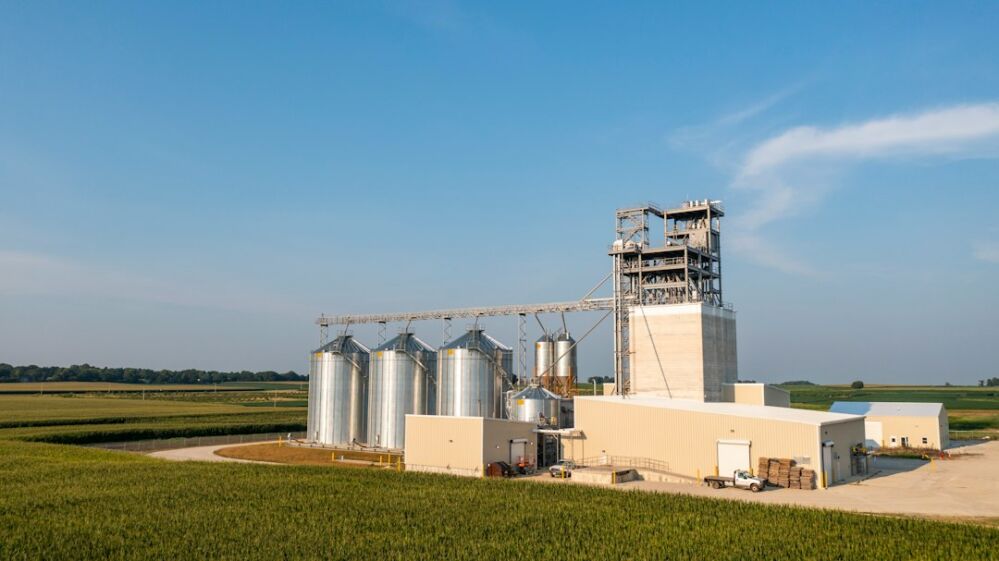
Navigating Maintenance: Key Checks and Balances for Optimal Rice Mill Performance
To maintain optimal performance in your rice mill, establishing a systematic maintenance schedule is crucial. Begin by implementing weekly checks on critical components, including the paddy separator, polishing machines, and elevator systems. Regularly inspect for signs of wear and tear, such as misalignment in the paddy separator, which can lead to inefficient separation and increased waste. Additionally, monitor the lubrication levels in your machinery; insufficient lubrication can lead to overheating and premature failure of moving parts. A well-maintained dust collection system is also key; ensure that filters are cleaned or replaced as needed to prevent clogging, which can hinder airflow and reduce efficiency.
Moreover, it’s essential to keep a logbook for all maintenance activities, recording dates, observations, and any parts replaced. This practice not only helps track the health of your equipment but also assists in identifying patterns that could indicate deeper issues. For example, if you notice that certain parts require frequent replacements, it might be time to consider upgrading to higher-quality components. Additionally, engage your team in training programs to recognize operational anomalies early. By empowering your staff to make informed decisions based on real-time observations, you can significantly reduce downtime and enhance overall productivity.
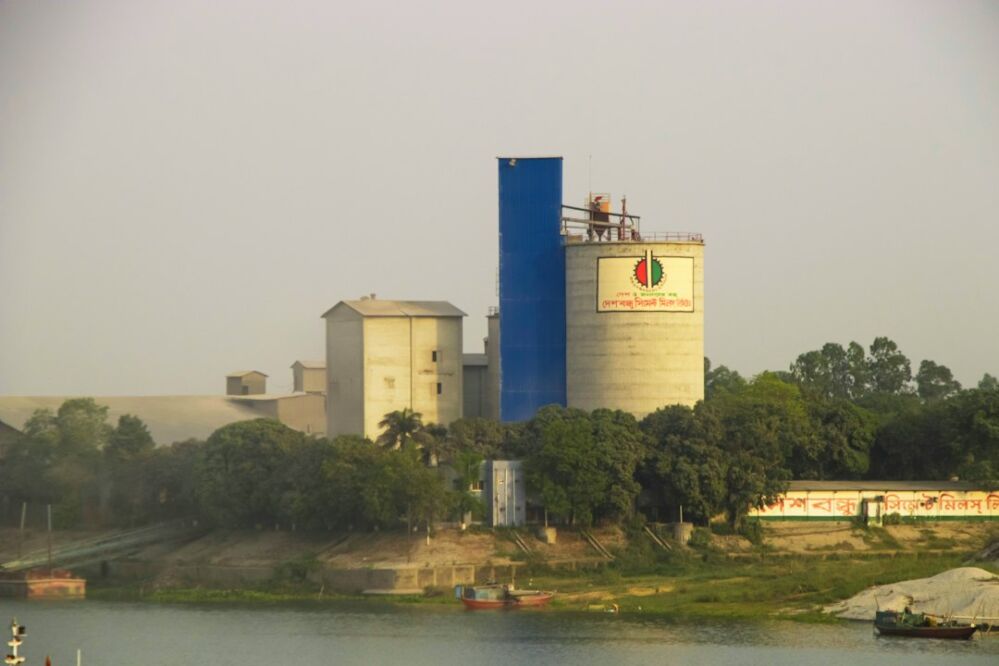
Avoiding Common Pitfalls: Mistakes to Sidestep When Running Your Automatic Rice Mill
Avoiding common pitfalls in your automatic rice mill operation is crucial for maximizing efficiency and minimizing downtime. One frequent mistake is neglecting the calibration of your machines. Regularly check the settings for milling intensity and moisture content; improper calibration can lead to inefficient milling and increased waste. Implement a monthly review schedule to assess machine settings and make adjustments based on the raw material quality. Additionally, always keep an eye on the wear and tear of mill components. For instance, if the rubber rolls are showing signs of deterioration, replace them promptly to avoid poor milling results and potential damage to the rice grain.
Another common issue is inadequate training for staff operating the machinery. Ensure that all employees are thoroughly trained on the specific functions and troubleshooting processes of the equipment they handle. Create a quick-reference guide for operators that outlines common problems and solutions, such as how to address blockages in the milling chamber or adjust the feed rate. Moreover, establish a clear communication channel for reporting equipment issues. This could be a simple logbook where operators can note down any irregularities they observe during their shifts. By proactively addressing these operational challenges, you can maintain a smoother workflow and significantly enhance productivity.
Crafting a Winning Operation: Essential Recommendations for Smooth Rice Milling Processes
To achieve a seamless rice milling operation, focus on optimizing workflow and ensuring that each stage of the process is aligned for maximum efficiency. Begin by mapping out your production line to identify any bottlenecks. For instance, if your pre-cleaning section is slowing down the entire process, consider upgrading to a more efficient pre-cleaner or adjusting your intake flow rate. Additionally, implement a real-time monitoring system that tracks the performance of each milling stage. This can help you detect issues early, such as a sudden drop in output or excess vibration in machinery, allowing for prompt corrective action.
Moreover, prioritize staff training and engagement as they are crucial to operational success. Establish a comprehensive training program that covers everything from machinery operation to troubleshooting common issues. Encourage your team to share insights on what works and what doesn’t, fostering a culture of continuous improvement. For example, if operators notice that certain settings yield better results based on specific rice varieties, document these findings to refine your milling practices. To further enhance decision-making, maintain an operational checklist that includes routine checks of machine settings, regular updates on inventory levels, and a schedule for equipment servicing. This structured approach not only streamlines operations but also empowers your workforce to take ownership of their roles, ultimately leading to smoother production cycles.
Key Takeaways
In conclusion, mastering the art of running an automatic rice mill plant hinges on a harmonious blend of regular maintenance, awareness of potential pitfalls, and strategic workflow management. By implementing the essential tips discussed in this article, operators can enhance efficiency, reduce downtime, and ultimately elevate the quality of their rice production. As technology continues to evolve, staying informed and adaptable will be key to unlocking the full potential of your rice milling operations, ensuring a successful and sustainable future in the industry.