In a world where technological advancements redefine the boundaries of agriculture, the rice industry stands at a critical juncture. As global demand for this staple crop continues to rise, so too does the need for efficient, sustainable processing methods. Automation, with its promise of increased productivity and reduced labor costs, emerges as a compelling solution. However, this shift towards mechanization invites a complex dialogue about the implications of such a transformation. While automation can streamline operations and enhance efficiency, it also raises concerns about job displacement and the environmental footprint of new technologies. As we embark on a journey to explore the multifaceted landscape of rice processing, it becomes essential to rethink not only the benefits of innovation but also the enduring value of traditional practices that have sustained communities for generations. In this article, we will delve into the intricacies of rethinking rice processing, highlighting the delicate balance between embracing modernity and preserving the roots of agricultural heritage.
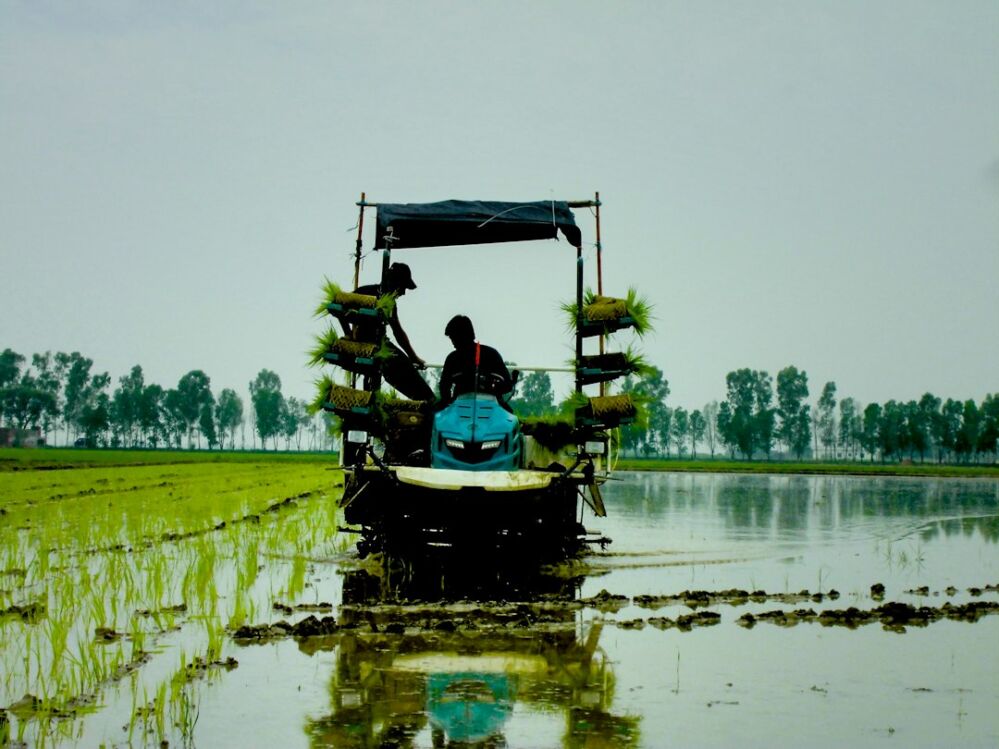
Navigating the Automation Paradox: Balancing Efficiency Gains with Job Displacement in Rice Processing
The automation paradox in rice processing presents a complex interplay between efficiency gains and the potential for job displacement. While automation can significantly enhance productivity—reducing labor costs and increasing output—this shift often comes at the expense of traditional labor roles. Key considerations include:
- Efficiency vs. Employment: Automation can lead to faster processing times and lower operational costs, but it may also result in a workforce reduction. The challenge lies in finding a balance that maximizes efficiency while minimizing adverse social impacts.
- Skill Development: As the industry evolves, there is an urgent need for strategies that support workforce transitions. Investing in training programs for existing workers can help them adapt to new technologies and take on more skilled roles, rather than facing unemployment.
Navigating this landscape requires nuanced decision-making. Stakeholders must carefully weigh the benefits of automation against its societal costs. Strategic recommendations include:
- Gradual Implementation: Phasing in automation technologies allows workers to adjust and provides time for community support systems to adapt.
- Collaborative Approaches: Engaging with local communities and labor organizations can foster a more inclusive transition, ensuring that the benefits of automation are equitably distributed.
By thoughtfully addressing these trade-offs, the rice processing sector can harness automation's potential without sacrificing the livelihoods of those who depend on it.
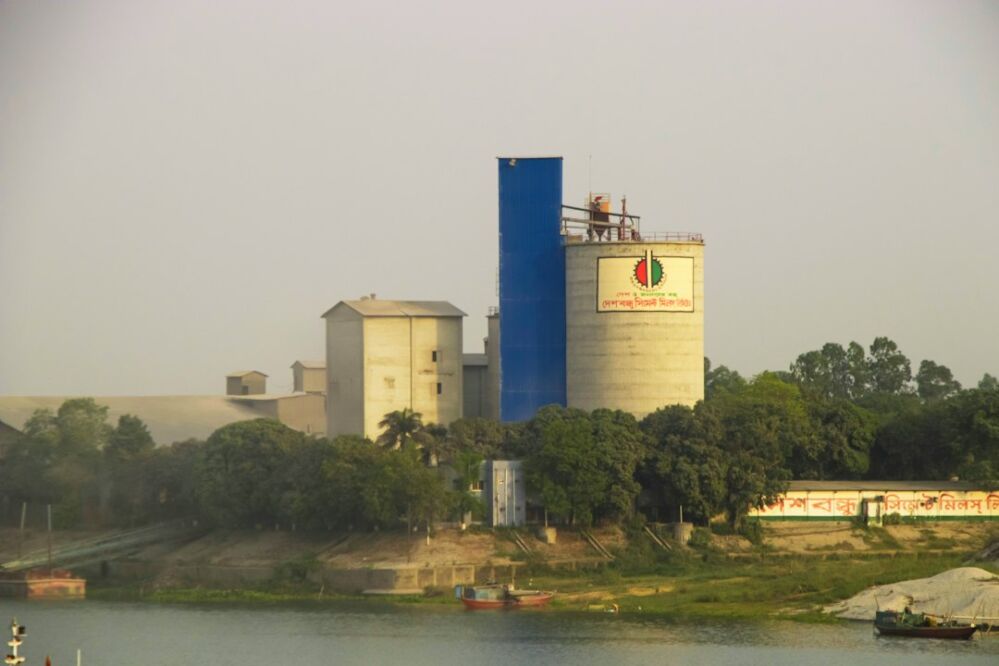
Hidden Costs of Modernization: Unpacking the Environmental and Social Impacts of Automated Rice Processing
Automating rice processing undeniably brings efficiencies, yet it is imperative to scrutinize the hidden costs lurking beneath the surface. Environmental impacts often remain overlooked in the rush to modernize, including increased energy consumption, reliance on non-renewable resources, and the potential for greater waste generation. For instance, while automated systems may optimize output, they often require significant water and energy inputs, leading to a higher carbon footprint. This trade-off between immediate productivity and long-term sustainability demands a thoughtful approach. Stakeholders should consider integrating renewable energy sources and waste-reduction technologies to mitigate these impacts.
Socially, the shift toward automation can exacerbate existing inequalities within rural communities reliant on traditional rice processing methods. The assumption that all workers can seamlessly transition to new roles within an automated framework is often misguided. Many workers may lack the necessary skills or resources to adapt, resulting in job displacement without adequate support systems in place. It is crucial for agricultural policymakers to invest in retraining programs and community support initiatives that address these disparities. Establishing partnerships between technology providers and local governments can facilitate a smoother transition, ensuring that modernization does not come at the cost of social equity. By prioritizing both environmental sustainability and social responsibility, the rice industry can embrace automation as a tool for holistic progress rather than a singular solution.
Rethinking Innovation: Why Traditional Methods Still Hold Value in an Automated Future for Rice Agriculture
As the rice agriculture sector embraces automation, it is crucial to recognize that traditional methods still possess significant merit, particularly in fostering resilience and sustainability. While automated systems can enhance efficiency, they often overlook the nuanced knowledge accumulated over generations of farming practices. Farmers utilizing traditional methods have an intimate understanding of local conditions, soil health, and crop behavior that automated systems may not replicate. By integrating traditional practices with modern technology, rice agriculture can benefit from the best of both worlds. For example, crop rotation, integrated pest management, and organic fertilization can be combined with automated irrigation and monitoring systems to create a more holistic approach to farming.
Moreover, the trade-offs of relying solely on automation must be carefully evaluated. While automated processes can reduce labor costs and increase output, they may also contribute to a disconnection between producers and their land, undermining the rich cultural heritage tied to rice farming. It's essential to consider the following distinctions when rethinking innovation in rice agriculture:
- Cultural Heritage vs. Efficiency: Balancing the preservation of traditional practices with the drive for efficiency.
- Local Knowledge vs. Data-Driven Decisions: Valuing the insights of seasoned farmers alongside data analytics from automated systems.
- Sustainability vs. Profitability: Ensuring that profit margins do not come at the cost of long-term environmental health.
By steering clear of a one-size-fits-all mentality, stakeholders in rice agriculture can cultivate a future that respects traditional wisdom while leveraging the advantages of innovative technology. This nuanced approach not only supports economic viability but also fosters a deeper connection to the land and community, ensuring the longevity of rice farming for future generations.
Insights and Conclusions
In conclusion, the journey toward modernizing rice processing through automation is fraught with challenges and opportunities that require careful consideration. As we navigate this pivotal moment in agriculture, it becomes clear that embracing innovation does not mean abandoning the valuable lessons of the past. By striking a balance between cutting-edge technology and time-tested practices, the rice industry can enhance efficiency while ensuring sustainability and social responsibility. The future of rice processing lies not just in automated systems, but in a holistic approach that respects the complexities of both the environment and the communities dependent on this vital crop. As we look ahead, investing in thoughtful solutions will be key to securing a resilient agricultural landscape for generations to come.