
In an era where sustainability and efficiency are paramount, the rice milling industry stands at a crossroads, facing both challenges and opportunities for transformation. As global demand for high-quality rice continues to rise, mill operators must adapt and innovate to meet the expectations of consumers while minimizing waste and environmental impact. This article delves into proven techniques that can elevate the quality of rice output and streamline operations, ensuring that mills not only survive but thrive in an increasingly competitive landscape. By embracing essential practices, adopting innovative technologies, and avoiding common missteps, rice mill plants can embark on a journey of transformation that enhances productivity and cultivates a more sustainable future. Join us as we explore the pathways to a more efficient and effective rice milling operation.
Elevating Quality: Essential Practices for Achieving Superior Rice Output
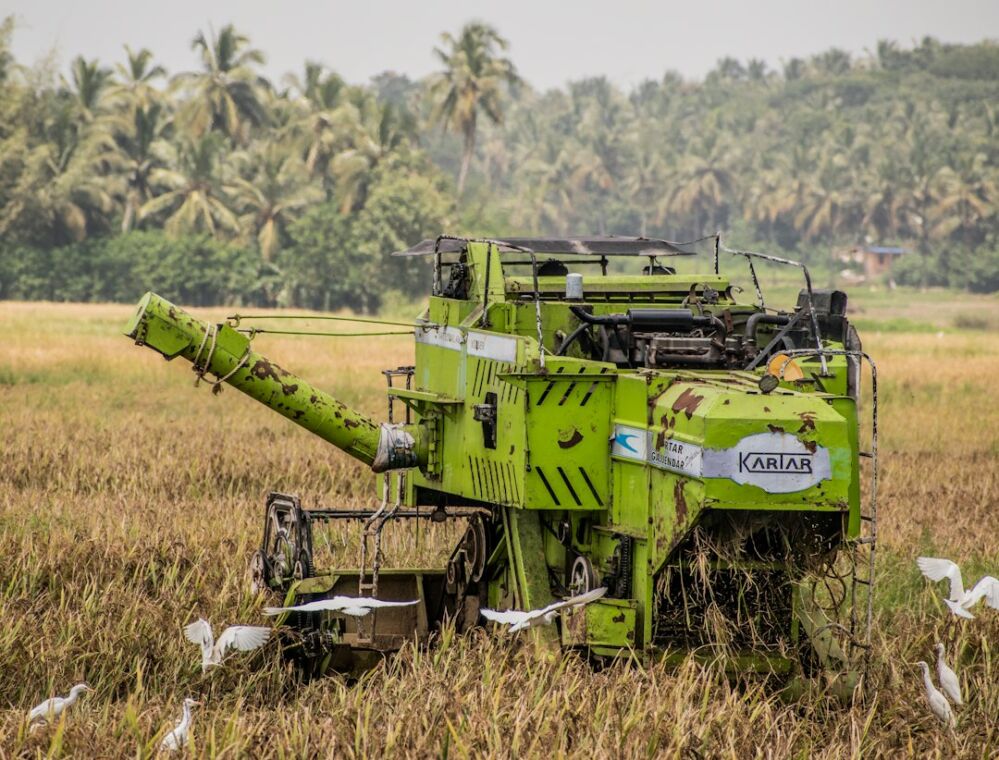
To achieve superior rice output, it’s crucial to focus on the quality of raw materials and the milling process. Start by sourcing high-quality paddy rice with optimal moisture content, ideally between 14% and 18%. Inspect your suppliers regularly; look for consistency in grain size, color, and freedom from pests or contaminants. During the milling process, ensure that your machinery is calibrated correctly and maintained to avoid excessive breakage. For instance, a well-maintained rice huller can reduce the percentage of broken grains to below 5%, significantly enhancing the overall quality of your output. Utilize a quality control checklist to keep track of parameters such as milling time, temperature, and pressure to ensure optimal results.
In addition to equipment maintenance, implement regular training for your staff on best practices in handling and processing rice. Many mills overlook the importance of operator expertise, which can result in poor milling techniques and increased waste. Establish a feedback loop where operators can share their observations, which can lead to improvements in workflow. Consider adopting a grain quality assurance program that includes periodic testing of milled rice for factors like water absorption and cooking quality. This proactive measure not only helps in identifying issues before they escalate but also builds a reputation for quality that can distinguish your brand in a competitive market.
Waste Not, Want Not: Strategies to Minimize Losses in Rice Milling Operations
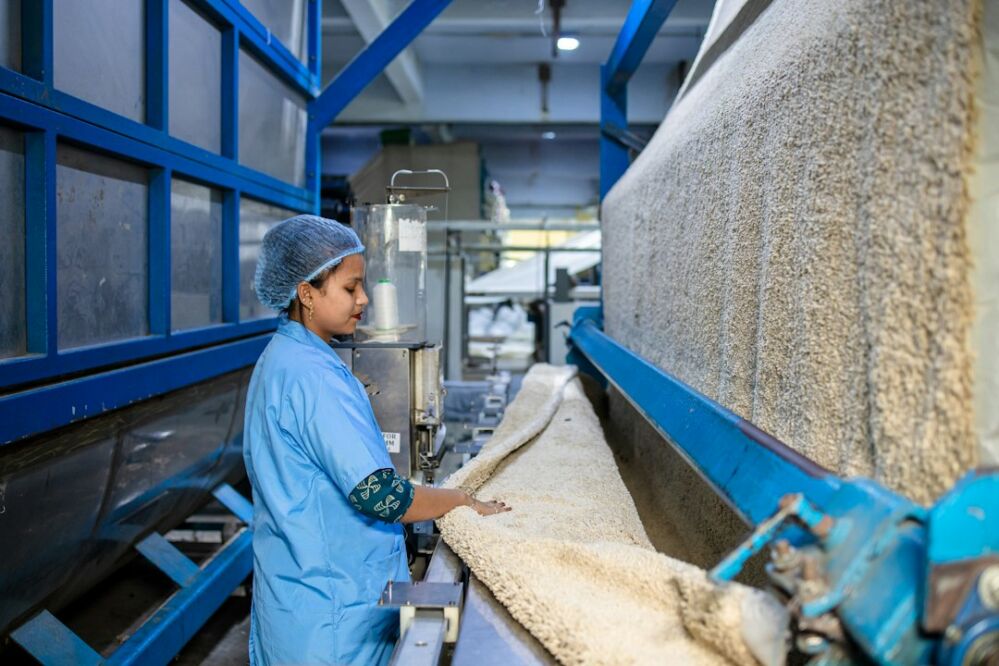
To minimize losses in rice milling operations, it’s essential to adopt precise measurement techniques and regularly monitor key variables throughout the milling process. Start by implementing moisture control systems to ensure that the paddy rice is at the ideal moisture level before milling. This can prevent excessive breakage and improve overall yield. Use digital moisture meters to regularly check moisture levels at various stages, and adjust drying processes accordingly. Additionally, maintain a meticulous record-keeping system to track these measurements over time, which will help identify patterns and areas for improvement.
Another critical area to focus on is the maintenance of milling equipment. Regularly inspect and clean machinery to prevent buildup that can lead to inefficiencies. For instance, worn-out rubber rolls can cause more breakage of grains, leading to higher waste. Establish a routine maintenance schedule and ensure staff are trained to recognize signs of wear and tear. Moreover, consider investing in technology upgrades, such as color sorting machines, which can significantly reduce the amount of waste by effectively separating broken grains and foreign materials. Here’s a quick checklist to implement:
- Regular moisture level checks (daily/weekly).
- Scheduled maintenance for all milling equipment (monthly).
- Staff training on equipment handling and maintenance.
- Investment in advanced sorting technologies.
By systematically addressing these factors, rice mill operators can significantly reduce waste and enhance the quality of the final product.
Avoiding Pitfalls: Common Missteps That Hamper Rice Mill Efficiency
One of the most common missteps in rice mill efficiency is neglecting regular maintenance of machinery. Equipment failures not only lead to downtime but also compromise the quality of the final product. To avoid this, implement a strict maintenance schedule that includes daily inspections and routine servicing. For instance, regularly check the alignment and tension of belts in the milling machines; misalignment can lead to excessive wear and energy consumption. Additionally, keep a log of maintenance activities to track issues and improve decision-making regarding equipment upgrades or replacements.
Another frequent pitfall is poor training of operational staff, which can result in inefficient processing and increased waste. Ensure that all employees are thoroughly trained on the machinery and the milling process. This training should cover not just how to operate the equipment but also the importance of monitoring key performance indicators (KPIs) such as milling yield and breakage rates. For example, consider implementing a mentorship program where experienced operators guide new hires, fostering a culture of knowledge-sharing. By investing in your workforce, you can enhance both operational efficiency and product quality.
Transformative Technologies: Innovative Solutions That Boost Production and Sustainability
Investing in smart milling systems can revolutionize your rice mill operations. These systems utilize AI-driven sensors to continuously monitor critical parameters such as temperature, humidity, and moisture levels, ensuring optimal milling conditions are maintained. To implement this technology effectively, start by conducting an assessment of your current milling processes to identify areas where automation can reduce human error and improve consistency. Consider the following steps:
- Upgrade existing machinery with retrofitted smart sensors.
- Train staff on how to utilize the new technology for maximum efficiency.
- Regularly review data analytics provided by the system to make informed adjustments.
Another transformative solution is the adoption of energy-efficient machinery that not only lowers operational costs but also enhances sustainability. When choosing new equipment, look for those rated with high energy efficiency standards, such as ISO 50001 certification. Additionally, integrating renewable energy sources, like solar panels, can significantly decrease your carbon footprint while reducing reliance on fossil fuels. To ensure that your investments yield the best results, create a checklist that includes:
- Evaluating energy consumption of new machinery against current equipment.
- Calculating ROI based on energy savings and productivity gains.
- Scheduling regular maintenance to prolong the lifespan of both new and existing equipment.
By implementing these innovative solutions, you can not only boost production but also align your operations with modern sustainability practices.
Closing Remarks
As we conclude our exploration of transforming your rice mill plant, it’s clear that embracing quality, efficiency, and innovative practices is not just beneficial but essential in today’s competitive landscape. By prioritizing the quality of raw materials and implementing precise measurement techniques, you can significantly enhance both the output and sustainability of your operations. Furthermore, avoiding common pitfalls through regular maintenance and adopting transformative technologies can pave the way for a more efficient and environmentally friendly milling process. With these proven techniques at your disposal, the journey toward a more productive and sustainable rice milling future is well within reach. Embrace the change, and watch your rice mill plant thrive in the years to come.