
In the ever-evolving landscape of agriculture, the processing of paddy stands out as a critical area where technological innovation can significantly enhance efficiency and quality. As global demand for rice continues to rise, the need for advanced processing solutions becomes increasingly pressing. This article embarks on a comprehensive exploration of the latest technological advancements in paddy processing, scrutinizing the performance metrics and operational parameters that define success in this vital sector. By delving into innovative material utilization, examining the intricacies of workflow efficiency, and conducting a comparative analysis of processing techniques, we aim to provide a nuanced understanding of how these innovations can transform paddy processing into a more sustainable and productive endeavor. Together, we will uncover the complexities and trade-offs that shape the future of this essential agricultural practice.

Innovative Material Utilization in Paddy Processing: Evaluating Durability and Performance Trade-offs in Machinery Design
The integration of innovative materials in paddy processing machinery is essential to optimize both durability and operational performance. Advanced composites, such as carbon fiber reinforced polymers and high-strength aluminum alloys, are increasingly being used in the design of key machinery components to enhance resistance to wear and fatigue. For instance, using carbon fiber in the construction of husking machines can significantly reduce overall weight while maintaining structural integrity. This reduction in weight not only improves energy efficiency during operation but also prolongs the machinery's lifespan. The following criteria must be considered when evaluating material choices:
- Durability: Resistance to abrasion and corrosion.
- Weight: Impact on energy consumption and ease of handling.
- Cost: Overall impact on budget versus performance benefits.
- Sustainability: Environmental impact of material sourcing and disposal.
When comparing traditional materials like steel to these modern alternatives, performance trade-offs often emerge. Steel, while robust, can lead to heavier machinery that consumes more energy and may require more frequent maintenance due to rust and wear. Conversely, the initial investment in advanced materials may be higher, but the long-term savings on energy and maintenance can offset these costs.
Moreover, performance factors such as temperature resistance and operational stress must also be evaluated. For example, the incorporation of thermoplastic elastomers in rubber components of paddy processing machinery can enhance flexibility while maintaining resilience under varying temperature conditions. Limitations of innovative materials, such as potential brittleness in extreme conditions, must be addressed through rigorous testing protocols. A table summarizing the performance metrics of traditional versus innovative materials can provide clarity on these comparisons:
| Material Type | Durability (Years) | Weight (kg) | Cost (per kg) | Energy Efficiency (%) |
|---|---|---|---|---|
| Traditional Steel | 10 | 50 | $2 | 70 |
| Carbon Fiber Composite | 15 | 30 | $10 | 85 |
| High-Strength Aluminum Alloy | 12 | 40 | $8 | 80 |
These considerations underscore the importance of a strategic approach to material selection in the design of paddy processing machinery, ensuring both enhanced performance and durability in demanding operational environments.
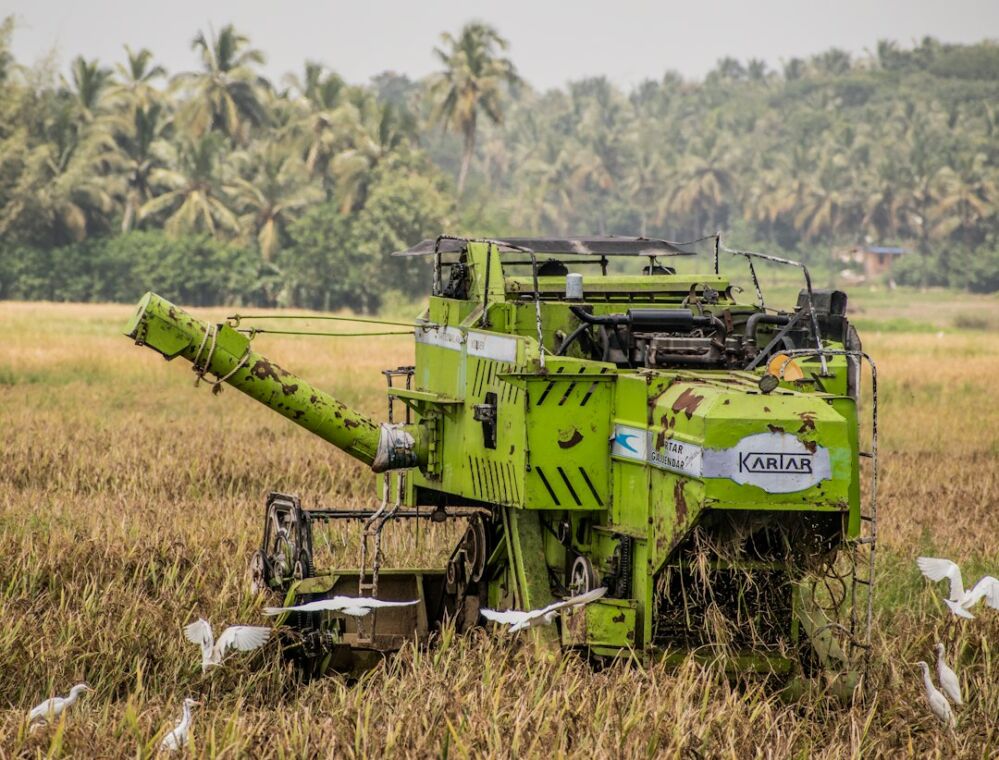
Operational Parameters of Paddy Processing Systems: A Technical Examination of Workflow Efficiency and Quality Control Mechanisms
Efficient workflow in paddy processing systems is driven by various operational parameters that encompass both throughput and quality. Key mechanisms include grain sorting, husking, milling, and polishing, each with specific criteria that influence overall effectiveness. For example, modern milling machines utilize laser technology for precise grain measurement, ensuring uniformity in size, which directly impacts cooking quality. The integration of automated systems also facilitates real-time monitoring of moisture content, which is crucial for maintaining grain integrity throughout processing. Additionally, the use of vibration sorting tables not only enhances the separation of broken grains from whole grains but also improves the overall yield, allowing processors to maximize output while adhering to quality standards.
Quality control mechanisms are paramount in paddy processing, requiring a multifaceted approach that includes both sensory and analytical evaluations. Performance factors such as processing speed, energy consumption, and maintenance intervals must be regularly assessed to ensure optimal operation. Limitations can arise from equipment wear, which may lead to increased grain breakage or inconsistent product quality. To address these issues, processors often implement preventive maintenance schedules and invest in real-time data analytics for continuous performance monitoring. A comparative assessment of various processing systems reveals that while traditional methods may offer lower initial costs, modern automated systems tend to yield higher efficiency and better quality outcomes, underscoring the importance of evaluating both immediate and long-term operational parameters.
| Parameter | Traditional Systems | Automated Systems |
|---|---|---|
| Processing Speed (kg/h) | 500 | 1500 |
| Energy Consumption (kWh) | 3 | 1.5 |
| Maintenance Frequency (months) | 3 | 6 |
Comparative Analysis of Processing Techniques in Paddy Production: Assessing Performance Metrics and Engineering Limitations
The comparative analysis of processing techniques in paddy production reveals distinct performance metrics and engineering limitations across various methodologies. Traditional milling techniques, while cost-effective and widely used, often yield lower recovery rates due to inefficient husking and milling processes. For example, traditional stone mills may achieve a paddy recovery rate of approximately 60-65%, whereas modern mechanical milling systems can enhance this rate to 70-75% by utilizing precision-engineered components that minimize grain breakage. Semi-automated systems, which bridge the gap between traditional and fully automated processes, display performance metrics that can vary greatly depending on their configuration and the technology employed. These systems often incorporate features like adjustable milling speeds and integrated quality control mechanisms, allowing for a more tailored processing approach that can optimize output based on specific grain characteristics.
When assessing engineering limitations, factors such as energy consumption, maintenance requirements, and throughput capacity must be considered. Traditional mills, for instance, generally consume less energy but may require more frequent manual intervention, leading to inconsistencies in product quality. In contrast, modern mechanical systems, while offering higher throughput capacities and more consistent quality, can suffer from higher operational costs and maintenance complexities due to their reliance on advanced technologies. A comparative table highlighting these aspects can provide clearer insights:
| Processing Technique | Paddy Recovery Rate | Energy Consumption | Maintenance Frequency | Operational Cost |
|---|---|---|---|---|
| Traditional Milling | 60-65% | Low | High | Low |
| Modern Mechanical Milling | 70-75% | High | Moderate | High |
| Semi-Automated Systems | 65-70% | Moderate | Moderate | Moderate |
Such comparative analyses not only highlight the trade-offs inherent in each processing technique but also underscore the need for continued innovation within the field to enhance both efficiency and product quality.
The Way Forward
In conclusion, the evaluation of technological innovations in paddy processing reveals a complex interplay of materials, operational parameters, and processing techniques that collectively shape the future of agricultural efficiency. By understanding the durability and performance trade-offs of machinery, alongside the critical operational metrics that govern workflow and quality control, stakeholders can make informed decisions that enhance productivity. The comparative analysis of various processing methods further underscores the importance of innovation in overcoming engineering limitations. As the agricultural sector continues to adapt, integrating these insights will be vital for fostering sustainable growth and ensuring that paddy processing meets the demands of tomorrow's market. Embracing these advancements not only promises to elevate quality but also to redefine the standards of efficiency within the industry.