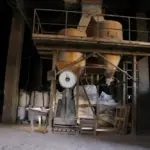
In the intricate tapestry of global supply chains, few threads are as pivotal yet often overlooked as those woven by Chinese rice mills. As the world increasingly relies on interconnected markets, the influence of these mills extends far beyond the borders of their homeland, shaping agricultural practices, trade policies, and economic landscapes across continents. This article embarks on a detailed examination of how advancements in technology and production methodologies within Chinese rice mills not only bolster their domestic capabilities but also ripple through international markets, creating a profound economic impact. By navigating the complex trade dynamics at play, we aim to uncover the strategic role these mills play in the global economy, while also highlighting the pressing need for sustainable practices in the face of escalating demand. Join us as we delve into the multifaceted world of rice milling and its far-reaching implications for the future of global trade.

Examining the Technological Advancements in Chinese Rice Mills and Their Global Implications
Chinese rice mills have undergone significant technological advancements, transforming not only their operational efficiency but also the global rice supply chain landscape. To leverage these advancements, stakeholders must focus on implementing automated and smart milling technologies. Investing in modern milling equipment—such as precision sorting machines and real-time quality monitoring systems—can drastically reduce waste and improve product quality. Businesses should evaluate their current milling processes against these technologies, considering factors like cost, efficiency, and scalability. For instance, a mill that adopts an automated system may see an increase in throughput by up to 30%, while also reducing labor costs. When assessing options, check the compatibility of new technologies with existing infrastructure to avoid costly overhauls.
Moreover, understanding global supply chain implications is crucial for making informed decisions. Examine the sourcing of raw materials and the efficiency of logistics networks linked to Chinese rice mills. It’s essential to assess any potential disruptions due to geopolitical tensions or trade policies that may affect supply continuity. Collaborating with local suppliers can mitigate risks associated with reliance on global supply chains. Additionally, keep an eye on emerging markets and demand shifts; for instance, exploring opportunities in Southeast Asia, where rice consumption is growing, can lead to smarter investments. Regularly reviewing performance metrics and market trends will facilitate better strategic choices, ensuring that investments in technology align with evolving market demands.

Assessing the Economic Ripple Effects of Chinese Rice Mill Exports on International Markets
The economic ripple effects of Chinese rice mill exports on international markets can be profound, influencing not only pricing structures but also the supply chain dynamics of importing countries. To effectively assess these impacts, businesses should monitor key indicators such as fluctuations in rice prices, import tariffs, and changes in trade agreements. For instance, a sudden increase in exports from Chinese rice mills could lead to a decrease in local prices in countries like Vietnam or Thailand, where rice is a staple. Importers and distributors should regularly evaluate:
- Price trends: Compare historical data to identify patterns influenced by Chinese exports.
- Supplier reliability: Assess the consistency of supply from Chinese mills to avoid potential disruptions.
- Regulatory changes: Stay updated on trade policies that could affect import costs.
Common pitfalls include relying solely on short-term pricing trends without considering broader economic indicators, such as currency fluctuations or geopolitical tensions that might disrupt supply chains. Instead, businesses should adopt a comprehensive approach by utilizing tools like SWOT analysis to evaluate their position in relation to Chinese rice mill exports. This analysis should incorporate market intelligence regarding competitor strategies, helping firms to:
- Anticipate market shifts.
- Optimize inventory levels based on projected supply changes.
- Develop contingency plans to mitigate risks associated with over-reliance on any single supplier.
By focusing on these strategic areas, businesses can make informed decisions that enhance their resilience in a rapidly evolving global landscape.
Navigating Trade Dynamics: The Role of Chinese Rice Mills in Shaping Global Supply Chains
To effectively navigate the trade dynamics influenced by Chinese rice mills, stakeholders need to closely monitor key variables impacting supply chains. Key considerations include:
- Import Tariffs: Countries may impose tariffs that influence the cost of imported rice. Keeping abreast of these changes can help businesses strategize pricing and sourcing options.
- Quality Standards: Different markets have varying quality standards. Ensure that your suppliers meet these requirements to avoid costly delays or rejections.
- Logistics and Shipping Costs: Rising shipping costs can significantly alter profit margins. Utilize cost-effective logistics solutions, such as consolidating shipments or using alternative routes, to optimize expenses.
Common pitfalls in dealing with Chinese rice mills often stem from a lack of due diligence. For instance, failing to verify the integrity of suppliers can lead to sourcing low-quality rice, affecting end-product reputation. Instead, adopt a comprehensive vetting process that includes site visits, reference checks, and third-party audits. Successful strategies include:
- Diversifying Suppliers: Relying on a single supplier can create vulnerabilities. Establish relationships with multiple mills to mitigate risks associated with supply disruptions.
- Leveraging Technology: Utilize supply chain management software to enhance visibility and track shipments in real-time, ensuring timely delivery and minimizing losses.
- Engaging in Collaborative Forecasting: Work closely with suppliers to anticipate demand fluctuations, allowing for proactive adjustments in production and inventory management.
By focusing on these actionable strategies, businesses can make informed decisions that bolster their position in the global rice market influenced by Chinese rice mills.
Strategic Recommendations for Enhancing Sustainability and Efficiency in Rice Milling Operations
To enhance sustainability and efficiency in rice milling operations, stakeholders should prioritize the integration of advanced milling technologies that minimize waste and energy consumption. Implementing automated systems for sorting and packaging can significantly reduce labor costs and increase output quality. For example, utilizing optical sorting machines ensures that only the highest quality grains are processed, thereby maximizing yield and reducing the volume of by-products. Additionally, investing in energy-efficient machinery can lead to substantial cost savings. A comparative analysis of energy consumption between traditional and modern milling technologies can reveal potential savings; for instance, upgrading to high-efficiency motors can reduce energy use by up to 30%.
Moreover, it is crucial to establish a robust supply chain that emphasizes local sourcing of raw materials to enhance sustainability. This approach not only reduces transportation emissions but also supports local economies. Stakeholders should regularly audit their supply chains to identify bottlenecks or inefficiencies, such as over-reliance on distant suppliers, which often leads to delays and increased costs. A practical step would be to create a supplier evaluation matrix that rates suppliers based on sustainability criteria, quality, and delivery performance. By fostering relationships with local farmers and suppliers, rice mills can create a more resilient supply chain while ensuring consistent quality and availability of raw materials.
Final Thoughts
As we conclude our exploration of the profound influence of Chinese rice mills on global supply chains, it becomes evident that these entities are more than mere production facilities; they are vital players in an intricately connected economic landscape. The advancements in technology and their significant export contributions reshape not only the rice market but also the broader trade dynamics that affect nations worldwide. Understanding these multifaceted impacts is crucial for stakeholders aiming to foster sustainable practices and navigate the complexities of modern supply chains. As we look to the future, the ongoing evolution of Chinese rice mills will undoubtedly continue to play a pivotal role in shaping agricultural trade and economic interactions across the globe.