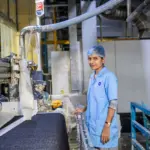
In the world of agriculture, the journey from paddy field to market is a complex one, marked by a series of intricate processes that demand precision and efficiency. As the global demand for rice surges, optimizing the workflow and equipment in paddy processing plants has never been more critical. This article delves into the technical aspects of strategic design and performance evaluation in these facilities, offering valuable insights into innovative material selections and engineering principles that can significantly enhance productivity. By examining the current limitations of processing equipment and exploring comparative processing techniques, we aim to provide a comprehensive understanding of how thoughtful design and evaluation can lead to remarkable improvements in the efficiency and effectiveness of paddy processing operations. Whether you are a facility manager, an engineer, or a stakeholder in the agricultural sector, the knowledge shared here will illuminate pathways to optimize your paddy processing endeavors.

Innovative Material Selections and Their Impact on Paddy Processing Efficiency
The selection of innovative materials in paddy processing equipment plays a crucial role in enhancing operational efficiency and product quality. For instance, the use of advanced composite materials in the construction of husking machines can significantly reduce weight while maintaining strength, leading to lower energy consumption during operation. Key materials such as high-strength steel, wear-resistant alloys, and thermoplastics can enhance durability and reduce maintenance downtime. The following criteria are essential when evaluating material options:
- Mechanical Properties: Yield strength, tensile strength, and fatigue resistance to withstand the rigors of continuous operation.
- Corrosion Resistance: Especially important for components exposed to moisture and rice husks, which can be abrasive.
- Thermal Stability: Ensures materials can withstand the heat generated during processing without degrading.
Furthermore, the integration of smart materials that respond to environmental changes can optimize processing parameters in real-time, improving yield consistency. For example, sensors embedded in polymer-based components can monitor temperature and humidity, allowing for automated adjustments in milling speed and pressure, thereby enhancing overall throughput.
The impact of these material selections extends to performance factors such as energy efficiency, processing speed, and product quality. A comparative analysis of traditional versus innovative materials reveals that replacing standard steel with advanced composites in shelling machines can lead to a reduction in energy usage by up to 15% while improving the quality of the rice by minimizing breakage. However, limitations exist; the initial investment costs for advanced materials can be higher, and the long-term benefits must be carefully weighed against these costs. A summary of performance metrics for selected materials can be illustrated in the table below:
| Material Type | Energy Efficiency (%) | Durability (Years) | Cost (per unit) |
|---|---|---|---|
| Standard Steel | 0 | 5 | $100 |
| High-Strength Alloys | 10 | 10 | $150 |
| Composite Materials | 15 | 15 | $200 |
This strategic approach to material selection not only improves processing efficiency but also aligns with sustainability goals by reducing waste and energy consumption in paddy processing operations.

Engineering Design Principles for Enhanced Workflow in Paddy Processing Facilities
Effective engineering design principles are essential for optimizing workflow in paddy processing facilities, focusing on the seamless integration of equipment and processes. Key mechanisms include the layout of processing lines, which should minimize unnecessary movement and facilitate easy access for maintenance. This can be achieved through modular design, allowing for the addition or reconfiguration of equipment as processing needs evolve. For instance, employing a U-shaped layout can enhance communication between different stages of processing, such as milling and packaging, thereby reducing bottlenecks. Additionally, the implementation of automated guided vehicles (AGVs) can streamline material handling, ensuring timely delivery of paddy to various processing stations while decreasing labor costs and the risk of human error.
When evaluating engineering specifications, several criteria must be considered to ensure optimal performance and efficiency. Throughput capacity, energy consumption, and maintenance requirements are critical factors that influence equipment selection. For example, a comparative analysis of modern multi-stage milling systems reveals that those utilizing high-efficiency motors can achieve energy savings of up to 30% compared to traditional systems. However, one limitation includes the initial investment cost, which may deter some operators despite long-term savings. Performance factors such as moisture control and grain quality preservation should also be integrated into the design, necessitating equipment capable of monitoring and adjusting conditions in real-time. By aligning these design principles with technological advancements, paddy processing facilities can enhance operational workflows significantly, thus achieving greater productivity and product quality.
Evaluating Performance Limitations of Current Equipment in Paddy Processing Operations
Evaluating the performance limitations of current equipment in paddy processing operations requires a comprehensive understanding of both mechanical functionality and operational efficiency. Equipment such as paddy huskers, rice whiteners, and grading machines often face constraints that can adversely affect throughput and final product quality. For instance, traditional paddy huskers may operate at suboptimal speeds due to insufficient power transmission, leading to increased breakage rates and lower yields. Performance metrics must be established, such as the husk removal efficiency (typically aimed at 90% or higher) and the kernel breakage ratio, which should ideally remain below 5%. Regular maintenance schedules and the integration of modern technologies, such as variable frequency drives, can enhance the adaptability and efficiency of these machines, reducing downtime and improving processing rates.
Moreover, the selection of equipment must align with specific operational criteria, including capacity, energy consumption, and labor requirements. Comparative analysis of modern milling technologies against traditional systems reveals significant discrepancies in energy efficiency; for example, newer integrated milling systems can reduce energy consumption by up to 30% while increasing output by 15% compared to older models. Limitations often arise from outdated machinery designs that do not accommodate advancements in paddy processing technology, leading to bottlenecks and increased operational costs. A thorough evaluation of performance factors such as processing speed, maintenance frequency, and downtime can highlight the need for equipment upgrades or replacements. A focused approach on these limitations will facilitate strategic decisions that enhance overall plant efficiency and product quality.
Comparative Analysis of Processing Techniques: Engineering Decisions in Paddy Plants
In the comparative analysis of processing techniques in paddy plants, it is essential to evaluate the mechanical and operational characteristics of different systems, such as traditional milling versus modern automated processing. Traditional methods, including stone milling, often result in higher levels of broken rice and lower extraction rates, typically around 60-65%. In contrast, modern techniques like rubber roll milling and paddy husk separation can achieve extraction rates of 70-75% with significantly lower breakage. This difference is attributed to the mechanism of operation; rubber rolls provide gentle handling of grains, minimizing damage while effectively removing husks.
When assessing performance factors, several criteria must be considered, including energy consumption, throughput capacity, and maintenance requirements. For instance, automated systems equipped with sensors and real-time monitoring can optimize energy use and reduce downtime through predictive maintenance. However, these systems often involve higher initial investments compared to traditional methods. A comparison table below summarizes key specifications and performance metrics of both approaches:
| Technique | Extraction Rate (%) | Energy Consumption (kWh/ton) | Initial Cost (USD) | Maintenance Frequency (months) |
|---|---|---|---|---|
| Traditional Milling | 60-65 | 150 | 20,000 | 6 |
| Automated Milling | 70-75 | 100 | 50,000 | 12 |
Such detailed comparisons enable decision-makers to evaluate the trade-offs between capital investment and operational efficiency, ultimately guiding the selection of processing techniques that align with both production goals and budgetary constraints.
The Way Forward
In conclusion, navigating the complexities of paddy processing demands a strategic approach that harmonizes innovative design, material selection, and performance evaluation. The insights shared in this article illuminate the pathways toward enhanced efficiency and product quality, empowering stakeholders to make informed decisions. By embracing engineering principles and critically assessing existing equipment, the industry can optimize workflows and elevate operational standards. As the agricultural landscape continues to evolve, the commitment to refining paddy processing techniques will not only benefit producers but also contribute to a more resilient and sustainable food supply chain.