In the heart of rural landscapes, where golden fields sway gently in the breeze, lies a rich tapestry woven from the threads of tradition and innovation. Rice cultivation, a time-honored practice, has not only sustained generations but also nurtured resilient communities bound by common purpose. As machinery makes its mark, transforming how these resilient farmers approach their craft, we find stories of adaptability and unity emerging from the furrows of adversity. This exploration unveils the intricate relationships fostered through shared experiences, revealing that amid the rapid march of progress, the spirit of collaboration remains pivotal. Join us as we delve into the woven tales of rice, examining how technology and tradition intertwine to forge a stronger, more cohesive community.
Beneath the Surface: Unraveling the Tapestry of Community Bonds Strengthened by Rice Machinery
In the quiet villages of rice-producing regions, the introduction of advanced rice machinery has fostered an unexpected sense of community. Take the case of the Nguyen family in a small village in Vietnam, who struggled for years with aging equipment that often broke down during critical planting seasons. The arrival of a new harvester not only reduced their workload but transformed their role in the community. As they hosted workshops demonstrating the machine’s use, nearby farmers gathered, exchanging tips and experiences, bridging gaps that had long existed. This shift from solitary labor to collaborative learning exemplifies how machinery serves as a catalyst for forging stronger community ties, where individual success translates to collective resilience.
The decision to invest in machinery often comes with mixed emotions. For instance, the story of the Rodriguez family from the Philippines highlights this contrast vividly. Initially hesitant about purchasing a mechanized rice planter, they feared loss of traditional farming practices and family heritage. Yet, after witnessing higher yields and creating more time for family and community engagement, they realized the machinery did not replace their traditions but rather enhanced their ability to preserve them. To others like them, the decision proved daunting yet rewarding, leading to unexpected benefits in social gatherings and shared celebrations over bumper harvests. In this way, rice machinery has not only improved productivity but has also knitted a richer fabric of community spirit, intertwining the aspirations of farmers with shared experiences and newfound connections.
Resilience in Adversity: Overcoming Harvest Challenges Through Technological Innovations
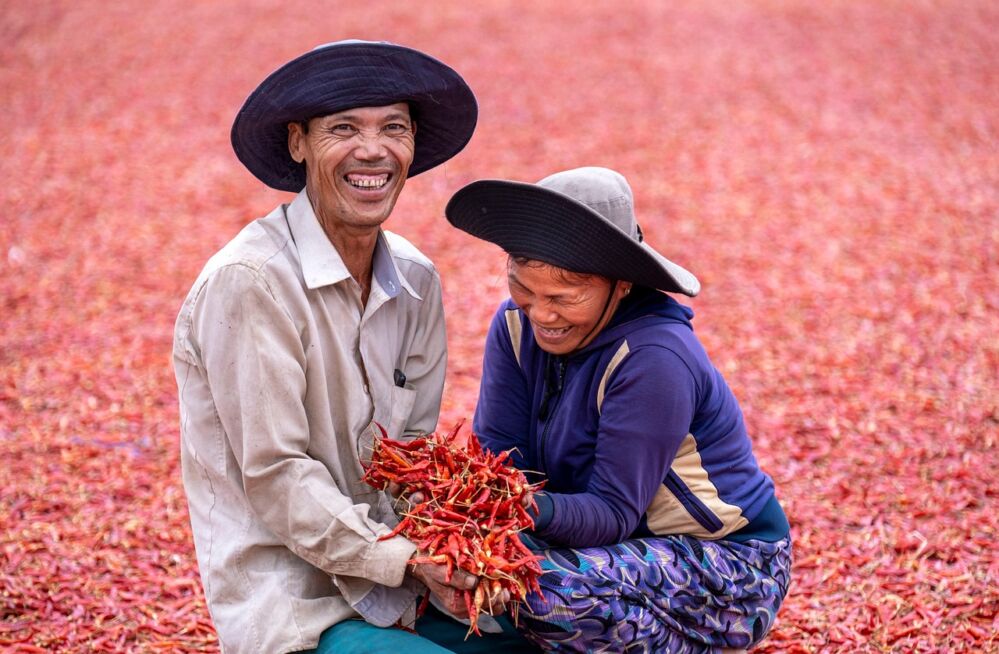
In recent years, the unpredictability of weather patterns and the threats posed by pests have tested the resilience of rice farmers. For instance, in a small village in the Mekong Delta, farmers faced an unexpected deluge that flooded their fields just before harvest. Traditionally, they would have watched helplessly as their hard work washed away. However, with the introduction of flood-resistant rice machinery, such as advanced seeders and harvesters designed to navigate adverse conditions, they found new hope. These innovations not only mitigated losses but also reduced the time and labor required for recovery. Farmers like Nguyen learned to adapt rapidly: by utilizing machinery that could sow seeds even in flooded conditions, they maintained their productivity and safeguarded their community’s livelihoods.
Moreover, the integration of data analytics into farming practices has allowed communities to make more informed decisions. Take the example of a cooperative in the Philippines that implemented precision farming tools, which provided real-time insights on soil moisture and nutrient levels. Initially met with skepticism, this technology transformed their operations and revitalized the cooperative spirit. The farmers, once isolated in their struggles, began sharing information and strategies gleaned from the data. They realized that pooling resources not only eased individual burdens but also fostered collaboration. By embracing these technological advancements, expectations shifted: the path that once seemed fraught with challenges turned into a collaborative venture, proving that adversity could be a catalyst for innovation and unity.
| Challenge | Traditional Response | Technological Innovation | Results |
|---|---|---|---|
| Flooding | Manual recovery, loss of crops | Flood-resistant machinery | Continued productivity, reduced losses |
| Pest threats | Inconsistent pest control | Data-driven pest management | Improved crop health, sustainable practices |
Lessons from the Land: How Shared Struggles Cultivated Unity Among Farmers
In the intricate dance of agriculture, the hardships faced by rice farmers have long been a catalyst for community solidarity. For example, during the last devastating monsoon season, a local farmers’ group in Ban Saethia found themselves grappling with flooding that threatened their entire crop. Instead of each farmer working in isolation, they banded together to create makeshift drainage systems using their machinery. With every shovel of mud removed and every machine calibrated for the conditions, they not only saved a significant portion of their harvest but also built a network of support that would last beyond the season. This united front highlighted important lessons about the power of collective effort in times of crisis.
Farmers shared not just equipment but knowledge gleaned from their experiences, bridging generational divides. A young farmer, Niran, initially skeptical about adopting new rice planting machines, watched his elder neighbor successfully integrate technology into his methods. Inspired, he decided to collaborate, discovering that the machine not only saved time but also improved yield consistency. In community meetings, stories circulated of triumphs and failures, of what worked and what didn’t—fostering an environment where everyone learned together. These shared struggles created a fabric of cooperation, as mutual challenges transformed individual trials into communal victories, leading to lasting relationships built on trust and respect.
| Lesson | Example |
|---|---|
| The strength of unity | Farmers working together to manage flooding |
| Shared knowledge | Younger farmers learning from the experiences of elders |
Contrasting Paths: The Diverging Stories of Modernization and Tradition in Rice Cultivation
In the realm of rice cultivation, the intersection of tradition and modernization presents a vivid portrait of contrasting paths. For many farmers, the decision to adopt new machinery has led to a mix of hope and uncertainty. Take the story of Mr. Phong, a third-generation rice farmer in the Mekong Delta. Hesitant yet curious, he observed his neighbor transitioning to mechanical harvesters. While he valued the hands-on methods passed down through generations, he couldn’t ignore the allure of efficiency promised by the machines. The day he finally decided to invest in a combine harvester, the village gathered to witness the shift. Yet, as they celebrated the newfound speed and productivity, whispers of concern echoed about losing the essence of their ancestral practices.
On the other hand, we have the experience of local cooperatives where tradition and modernization go hand in hand. In a collective effort, several farmers pooled their resources to purchase a tractor, allowing for larger plots to be worked without sacrificing personal connections. They organized training sessions to teach the older generation about the technology, fostering a spirit of collaboration over competition. This shared journey not only improved their yield but also reinforced ties amongst them, shading the stark realities of decline associated with traditional methods. As they met under the shade of a mango tree to discuss crop strategies, lessons emerged—not just about rice farming, but about balance: maintaining cultural heritage while embracing change. The contrasting paths reveal that the choice to modernize doesn’t erase old traditions, but rather, can enhance them with new life and purpose.
To Conclude
As we bring our exploration to a close, it becomes evident that the story of rice farming transcends mere cultivation; it embodies a profound narrative of resilience, community, and the delicate balance between tradition and innovation. The introduction of machinery has not only transformed agricultural practices but has also woven stronger ties among farmers, enabling them to confront adversity together. The shared experiences of these communities reveal that beneath the surface of economic challenges lies a deeper connection, rooted in mutual support and collective aspiration. Ultimately, the path forward for rice farming is one that honors the past while embracing the promise of the future, a testament to the enduring spirit of those who toil in the fields.