In the realm of agriculture, the quest for efficiency and sustainability has never been more critical, particularly in rice production, a staple food for billions. The introduction of advanced processing technologies, such as the 5 Ton Rice Mill, offers a transformative solution that not only enhances agricultural output but also supports the economic viability of farming communities. By implementing innovative milling techniques and optimizing resource use, these modern rice mills are set to revolutionize the industry. This article delves into the multifaceted benefits of the 5 Ton Rice Mill, exploring how it integrates sustainability into traditional agricultural practices while driving economic growth and improving productivity.

Optimizing Resource Use: Strategies for Maximizing Output from the 5 Ton Rice Mill
To maximize output from a 5 ton rice mill, farmers must focus on meticulous preparation and ongoing maintenance of both raw materials and equipment. Optimize your input quality by sourcing high-quality paddy rice, as inferior grain can lead to higher breakage rates during milling. Consider conducting regular quality assessments of incoming rice batches, utilizing a moisture meter to prevent processing rice that is too wet or too dry. This step alone can dramatically enhance the milling yield. Additionally, ensure that your milling equipment is properly calibrated and maintained; check for worn parts and perform regular cleaning to minimize downtime and inefficiency. Establish a maintenance schedule, documenting inspections and repairs, to maximize equipment longevity and reliability.
Training your staff in operating procedures and quality control can significantly reduce operational errors. Implement best practices, such as conducting test runs before a full production batch and keeping clear records of output and machine performance. To prevent common mishaps, remind operators to monitor the milling speed and adjust according to the type of rice being processed. Consider using a performance tracking system, where data on energy consumption, output quality, and maintenance can be logged and analyzed. This data will help in identifying trends and enabling timely interventions. Below is a simple table to illustrate operational benchmarks:
| Metric | Ideal Range |
|---|---|
| Milling Speed | 40-55 kg/hour |
| Breakage Rate | < 5% |
| Energy Consumption | < 200 kWh per ton |
By setting and adhering to these benchmarks, rice mill operators can not only improve their efficiency but also contribute positively to the economic viability of their agricultural practices.
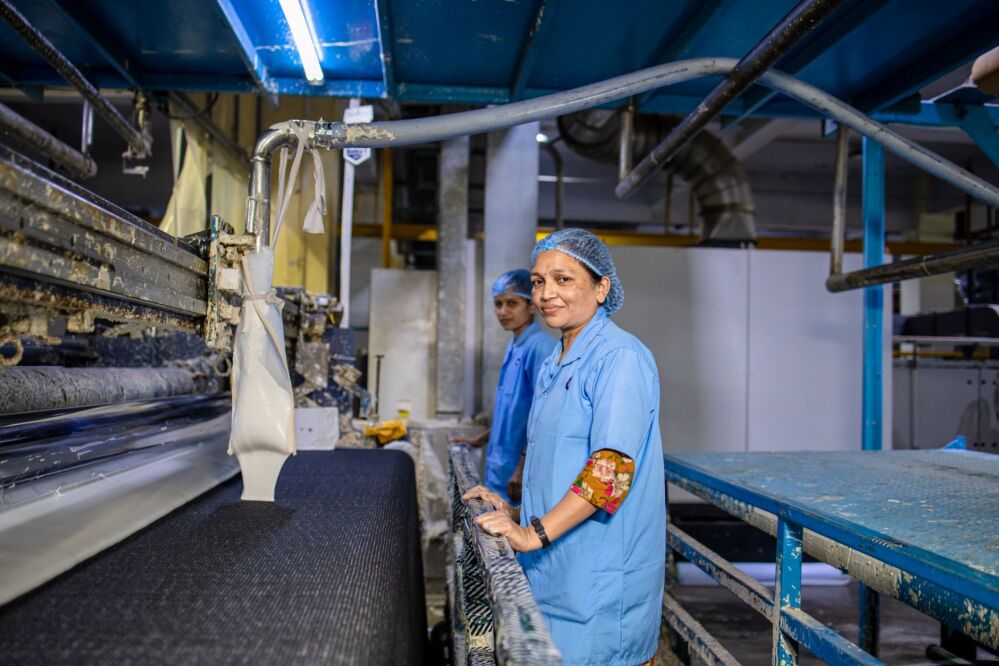
Innovative Processing Techniques: Driving Economic Growth Through Advanced Milling Systems
Employing advanced milling systems can significantly enhance both productivity and profitability in rice production. It is crucial for mill operators to regularly evaluate their processing techniques and stay updated on innovations in milling technology. Key factors to consider include the type of milling machinery, energy efficiency, and automation levels. Operators should check the following aspects:
- Machine Calibration: Regular calibration ensures optimal milling performance. Misalignment can lead to poor rice quality and excess waste.
- Energy Consumption: Monitor energy usage effectively by investing in energy-efficient machines. This not only reduces costs but also minimizes the carbon footprint.
- Automated Monitoring Systems: These can help track the milling process in real-time, allowing for quick adjustments and reducing human error.
Common issues often arise from outdated machinery or improper maintenance, which can result in decreased efficiency. Instead, adopting modern solutions like integrated milling systems can reduce labor costs and improve output quality. Additionally, analyzing the processing flow can pinpoint bottlenecks and areas for improvement; for instance, if milling is set to optimize for yield rather than quality, this could undermine market competitiveness. Use the following table to guide your decision-making regarding equipment upgrades:
| Aspect | Traditional Milling | Advanced Milling |
|---|---|---|
| Labor Costs | High | Lower |
| Energy Efficiency | Moderate | High |
| Waste Output | Significant | Minimal |
| Quality Control Mechanisms | Manual | Automated |
By focusing on these innovative processing techniques, rice mill operators can drive sustainable economic growth and maintain competitiveness in the global market.
Integrating Sustainability: The Future of Rice Milling in Agricultural Practices
Integrating sustainability into rice milling processes is essential for long-term agricultural success and environmental stewardship. Farmers should assess their current practices and implement systems that reduce waste and improve energy efficiency. For instance, consider transitioning to energy-efficient milling equipment that consumes less power and generates lower emissions. Utilizing by-products such as rice husks for bioenergy can not only reduce waste but also create an additional revenue stream. Key areas to focus on include:
- Water Management: Implement water recycling systems to minimize water use during milling.
- Material Use: Opt for biodegradable or recyclable packaging for rice products.
- Sustainable Sourcing: Source raw rice from certified sustainable farms to promote environmentally friendly practices.
Moreover, adopting precision agriculture technologies can assist in monitoring and optimizing resource use, ensuring that every input leads to a higher sustainable output. It is important to create a feedback loop where farmers gather data on their sustainability practices. Regularly reviewing these metrics can help pinpoint areas where practices may not be performing as expected, such as inefficient use of fertilizers leading to runoff issues. Implementing lessons learned from successful cases, like those in Southeast Asia where systems thinking incorporating environmental impacts has gained traction, can further guide decision-making toward more sustainable futures in rice milling.
Closing Remarks
As we conclude this exploration of the 5 ton rice mill, it becomes evident that the intersection of advanced technology and sustainable practices is reshaping the landscape of rice production. By optimizing resource use, employing innovative processing techniques, and prioritizing sustainability, farmers can not only boost their output but also enhance their economic viability. The future of agriculture hinges on these developments, as they promise to meet the growing global demand for rice while preserving our environment for generations to come. Embracing these changes is not merely a choice, but a necessity for the thriving agricultural communities worldwide.