
In a world where the demand for rice continues to surge, driven by population growth and changing dietary preferences, the role of auto rice mills has never been more critical. These modern processing facilities not only transform raw paddy into market-ready rice but also embody the intersection of technology and agriculture. As we delve into the realm of auto rice mills, we will uncover the technological innovations that enhance efficiency, explore the economic benefits they bring to both local communities and global markets, and examine their strategic importance in bolstering food security. Furthermore, we will consider sustainable practices that can guide the future of rice milling, ensuring that this vital industry meets the challenges of tomorrow while safeguarding our planet. Join us on this comprehensive journey as we analyze the multifaceted impact of auto rice mills in shaping the future of food production.
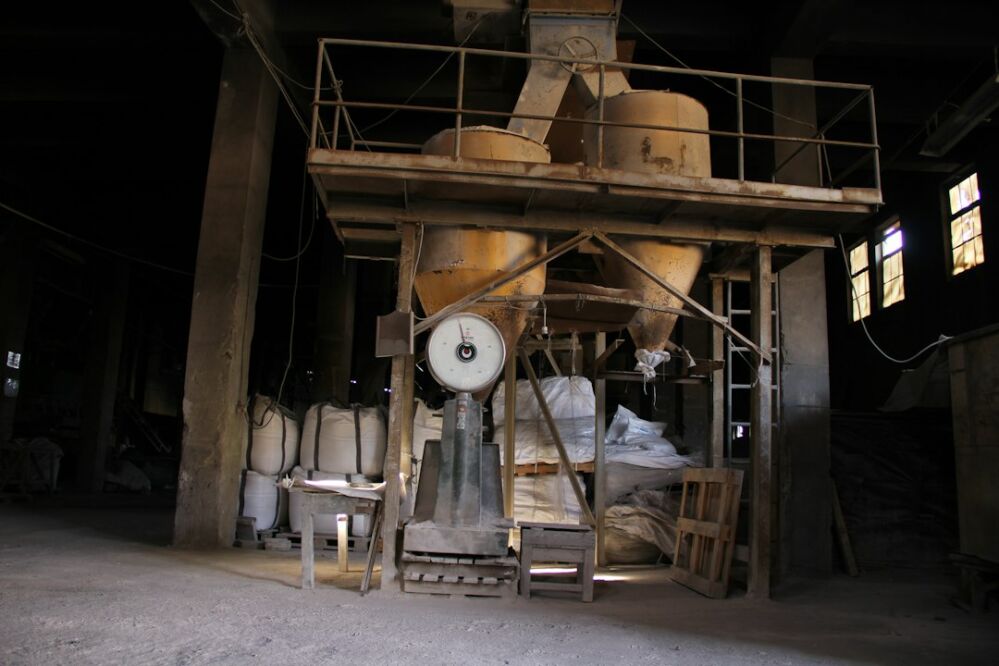
The Technological Innovations Driving Auto Rice Mill Efficiency
The integration of cutting-edge technologies in auto rice mills is revolutionizing efficiency and productivity. To enhance operational effectiveness, mill operators should focus on the following innovations:
- Automated Sorting and Grading Systems: These systems employ advanced sensors and imaging technology to sort and grade rice based on quality, size, and color. Investing in high-quality sorting machines can reduce manual labor costs and improve product consistency.
- Energy-Efficient Milling Equipment: Utilizing energy-efficient machinery not only cuts down on operational costs but also minimizes environmental impact. Look for equipment with high energy ratings and features like variable speed drives to optimize energy consumption.
However, common pitfalls can hinder progress. Many mills overlook the importance of regular maintenance for their equipment, which can lead to unexpected downtimes and costly repairs. Establishing a routine maintenance schedule and training staff on basic troubleshooting can mitigate these issues. Additionally, operators should consider upgrading older equipment with modern technology to enhance performance. For instance, retrofitting existing milling machines with digital monitoring systems can provide real-time data on productivity, allowing for smarter decision-making.
| Technology | Benefit |
|---|---|
| Automated Sorting Systems | Improved quality control and consistency |
| Energy-Efficient Machinery | Reduced operational costs |
| Digital Monitoring Systems | Real-time data for better decision-making |
By staying informed about technological advancements and regularly evaluating equipment performance, mill operators can make smarter choices that lead to higher efficiency and profitability.
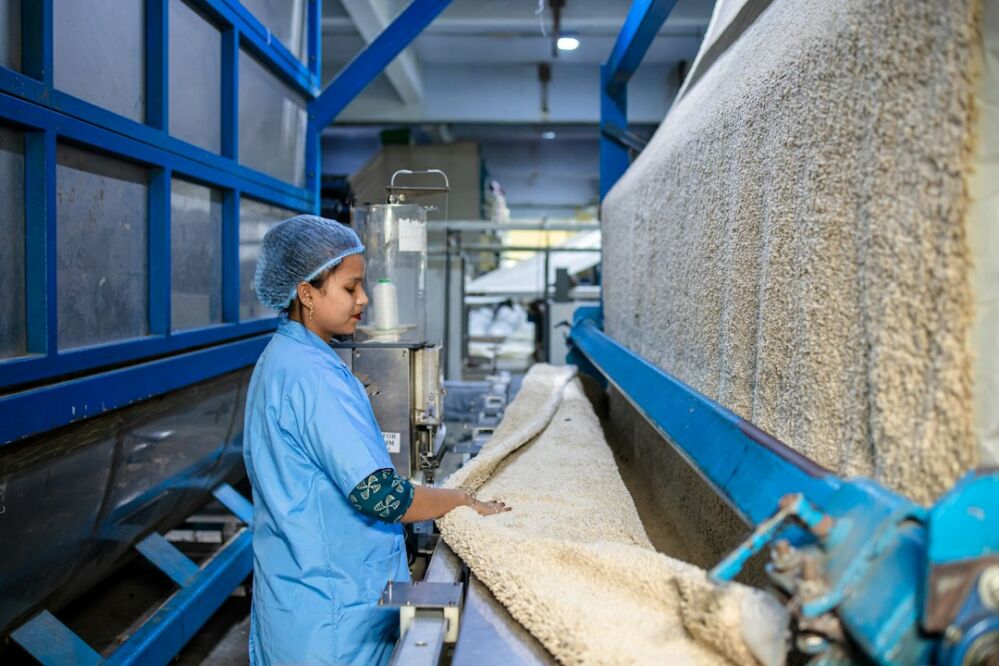
Economic Advantages of Auto Rice Mills in Local and Global Markets
Investing in auto rice mills offers significant economic advantages for both local and global markets, but decision-makers must approach this investment strategically. First, evaluate the cost-effectiveness of different milling technologies. High-capacity mills with automation features can minimize labor costs and increase throughput. For instance, a mill that processes 2 tons of rice per hour can significantly outperform a manual mill, which might process only 0.5 tons in the same period. Consider conducting a cost-benefit analysis that includes initial investment, operational costs, and expected yield. It’s crucial to also check local market demand and the potential for exporting surplus production to international markets, as engaging in global trade can further enhance profitability.
Another aspect to consider is the quality of the final product. Poorly milled rice can lead to high broken grain percentages, which diminishes market value. To avoid this, select mills with advanced husking and polishing systems that ensure high-quality output. Establish relationships with quality assurance organizations to maintain standards and gain certifications that enhance marketability. Furthermore, keep an eye on supply chain logistics; inefficiencies in distribution can negate the advantages of your milling operations. Investing in a robust logistics plan can reduce costs and ensure timely delivery to customers. By focusing on these specific areas, mill operators can make smarter choices that optimize both local and global market opportunities.
Enhancing Food Security: The Strategic Importance of Auto Rice Mills
Auto rice mills play a pivotal role in enhancing food security, particularly in regions where rice is a staple food. To leverage this potential, stakeholders should prioritize the following actionable strategies:
- Assess Local Demand: Conduct market analysis to understand rice demand fluctuations in your area. By aligning production with local consumption trends, mills can minimize waste and ensure a steady supply.
- Invest in Quality Control: Implement stringent quality checks at every stage of the milling process. This could involve utilizing advanced technology for moisture content measurement and grain quality analysis to ensure the final product meets consumer standards.
- Establish Partnerships: Collaborate with local farmers and cooperatives to secure a consistent supply of high-quality paddy. This not only strengthens community ties but also ensures that mills operate at full capacity, reducing the risk of underutilization.
Common pitfalls include neglecting maintenance schedules, which can lead to equipment failures and production delays. Regular upkeep of milling machinery, including cleaning and calibrating machines, is essential for maintaining efficiency. Additionally, it is vital to stay informed about changing agricultural practices and policies that could affect rice production. Engaging with agricultural extension services and participating in industry workshops can provide valuable insights and enhance operational strategies. By making informed decisions and adapting to local needs, auto rice mills can significantly contribute to food security and economic stability in their regions.
Sustainable Practices in Auto Rice Milling: Recommendations for Future Development
To ensure sustainable practices in auto rice milling, stakeholders should prioritize the adoption of energy-efficient technologies and waste management systems. Implementing energy-saving machinery can significantly reduce operational costs and carbon footprints. For instance, mills can switch to high-efficiency motors and heat recovery systems, which can lower energy consumption by up to 30%. Additionally, establishing a zero-waste policy by using rice husks for biomass energy or as a raw material for other industries can enhance sustainability. Regular audits of energy usage and waste management practices should be conducted to identify areas for improvement.
Moreover, fostering community engagement and training can help optimize the use of auto rice mills. Mills should offer workshops and training programs for local farmers on best practices for rice cultivation and post-harvest processing. This not only improves the quality of the rice but also strengthens the supply chain. Stakeholders should also explore partnerships with local governments and NGOs to implement sustainable practices, such as organic rice farming techniques, which can increase market value and consumer interest. Regular assessments of these initiatives can help identify challenges, such as resistance to change or lack of resources, and develop actionable solutions to overcome them.
Closing Remarks
As we conclude our exploration of auto rice mills, it becomes evident that these technological marvels are not merely facilities for processing grains but are essential pillars of modern agriculture and food security. With advancements in technology enhancing efficiency and productivity, the economic impact of these mills resonates across both local and global markets, offering strategic advantages to stakeholders. Furthermore, their role in bolstering food security highlights the need for thoughtful investment and sustainable practices. Moving forward, embracing the innovations and strategies discussed will be crucial as we strive to meet the ever-growing demand for rice in a rapidly changing world. The future of food security hinges on our ability to adapt and innovate within this vital sector.