
In the heart of agricultural innovation, paddy processing factories stand as vital hubs where raw grains are transformed into the staple food that sustains millions. As the demand for high-quality rice continues to rise globally, the pressure intensifies on these facilities to not only maximize output but also ensure impeccable quality. This technical review delves into the intricate world of paddy processing, exploring the seamless integration of processes and equipment efficiency. By examining cutting-edge engineering solutions, the significance of material selection, the role of automation technologies, and the performance metrics of modern machinery, this article aims to provide a comprehensive overview of how factories can optimize their operations. Join us as we uncover the strategies and innovations reshaping the landscape of rice processing, paving the way for a more efficient and quality-driven future.
Innovative Engineering Solutions for Enhanced Paddy Processing Efficiency
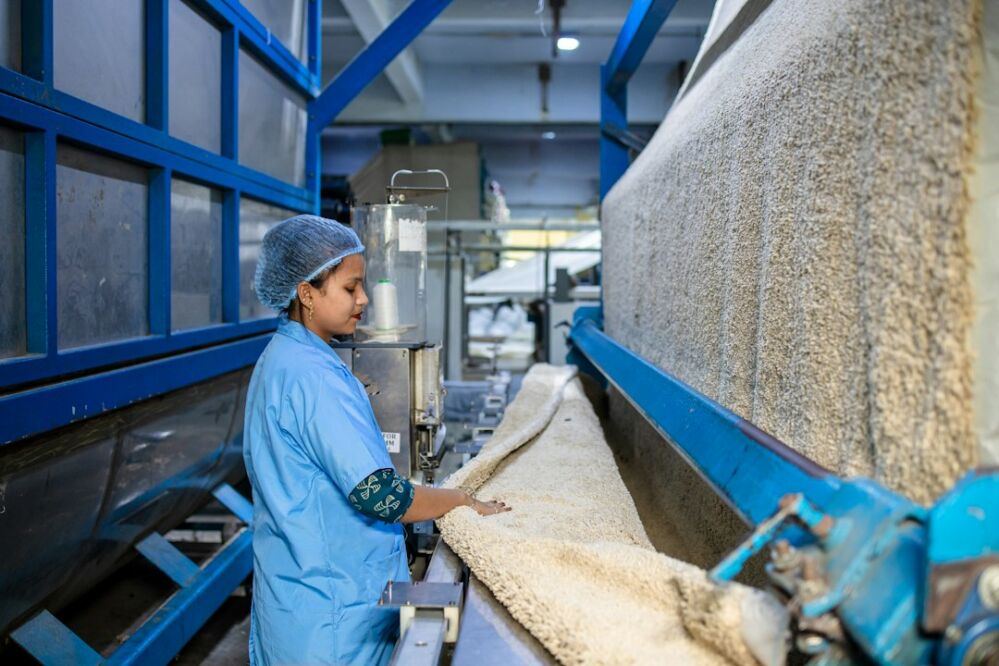
Innovative engineering solutions in paddy processing are critical for improving efficiency and output quality. One effective approach is the implementation of mechanical separation systems, which employ advanced techniques such as air classification and vibrating screens to enhance the removal of impurities. These systems operate based on specific criteria, including particle size and density, allowing for the precise separation of rice from husks and other contaminants. For instance, air classifiers utilize high-velocity air streams to lift lighter impurities away from heavier rice grains, thereby reducing the reliance on labor-intensive manual sorting and minimizing product loss. Moreover, the integration of infrared sensors can facilitate real-time monitoring of grain quality, enabling adjustments in processing parameters to optimize output.
In addition to mechanical innovations, the adoption of automated milling technology represents a significant advancement in paddy processing. These systems are designed with parameters such as feed rate, grinding pressure, and temperature control, which are crucial for maintaining grain integrity and maximizing yield. A comparative analysis of traditional milling versus automated systems demonstrates that the latter can achieve efficiency gains of up to 30%, while simultaneously reducing breakage rates by approximately 15%. However, limitations such as high initial investment costs and the need for skilled personnel to operate sophisticated machinery must be considered. Performance factors, including energy consumption and maintenance requirements, also play pivotal roles in the overall effectiveness of these solutions. By carefully evaluating these aspects, paddy processing facilities can strategically implement engineering innovations that effectively enhance both efficiency and quality in their operations.
Assessing Material Selection Impact on Output Quality in Rice Milling
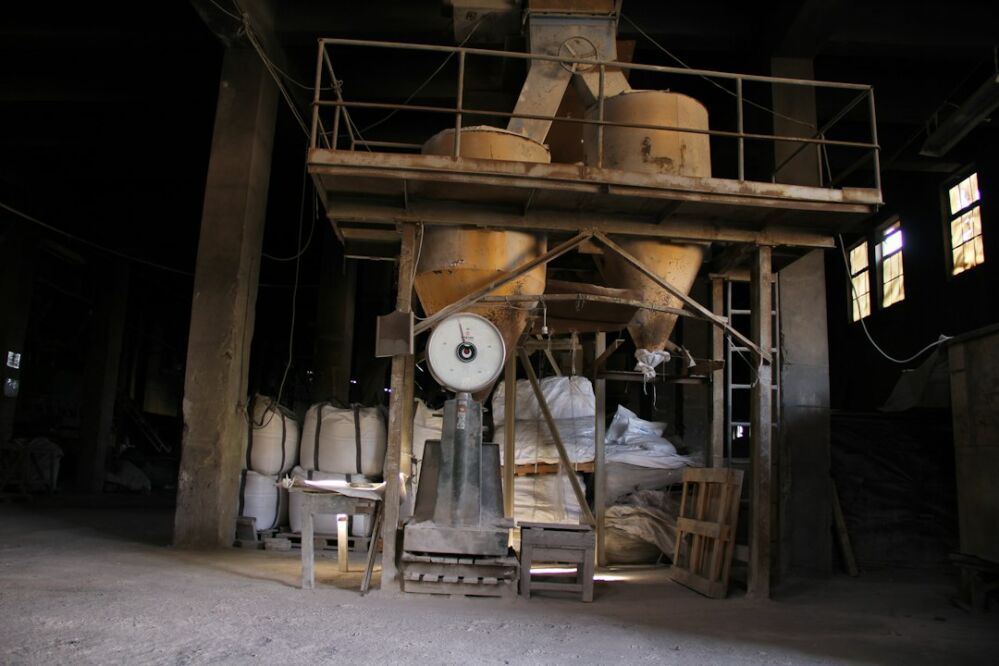
The selection of materials used in rice milling equipment significantly influences both output quality and operational efficiency. Key materials such as stainless steel, carbon steel, and ceramic composites are chosen based on their mechanical properties, resistance to wear, and hygiene standards. Stainless steel, for instance, is favored for its corrosion resistance and ease of cleaning, making it ideal for components in contact with food. In contrast, carbon steel is often selected for structural elements due to its strength and cost-effectiveness, albeit with a trade-off in terms of rust susceptibility. The use of ceramic coatings on wear-prone surfaces can dramatically enhance durability, reducing maintenance needs and downtime. The choice of these materials is governed by specific criteria, including tensile strength, hardness, and thermal conductivity, which directly affect the milling process's effectiveness.
In addition to material properties, the design specifications of milling equipment, such as roller gap settings and milling speed, also play a crucial role in determining output quality. For example, a properly calibrated roller gap ensures optimal husk removal without damaging the rice kernels, while appropriate milling speeds prevent excessive friction that can lead to heat generation and kernel breakage. Performance factors like moisture content and grain variety further complicate the equation, necessitating a tailored approach to material selection and equipment configuration. A comparison table of common materials used in rice milling equipment might include:
| Material | Key Properties | Common Uses |
|---|---|---|
| Stainless Steel | Corrosion resistance, hygiene | Hoppers, conveyance |
| Carbon Steel | High tensile strength, cost-effective | Structural components |
| Ceramic Composites | Wear resistance, low friction | Coatings for rollers |
By understanding the interdependencies of material selection, equipment design, and process variables, rice milling operations can maximize their output quality while minimizing waste and operational costs.
Integrating Automation Technologies in Paddy Processing: Benefits and Challenges
The integration of automation technologies in paddy processing significantly enhances operational efficiency and product quality, but it also presents various challenges that must be addressed. Automated systems, such as sensor-based monitoring, robotic handling, and intelligent control systems, facilitate real-time data collection and process adjustments, leading to increased throughput and reduced waste. For instance, automated grain sorting machines utilize advanced imaging technology to detect and separate defective grains, ensuring only high-quality output. However, the implementation of such technologies requires substantial investment in infrastructure and training. The criteria for successful integration include compatibility with existing equipment, scalability, and the flexibility to adapt to varying production scales.
Despite the advantages, challenges persist in the form of technical limitations and operational disruptions. Automation systems may suffer from malfunctions or require updates that can lead to downtime, impacting overall productivity. Additionally, there is a learning curve for staff to effectively manage and maintain these sophisticated systems. A comparative analysis of traditional versus automated processes highlights that while automation can increase processing speeds by up to 30%, the initial costs and maintenance of these technologies can be significant. Performance factors, such as reliability and energy efficiency, must also be meticulously evaluated to ensure that the benefits outweigh the challenges. The following table summarizes key benefits and challenges associated with automation in paddy processing:
| Benefits | Challenges |
|---|---|
| Increased throughput | High initial investment |
| Enhanced quality control | Technical malfunctions and downtime |
| Real-time data analytics | Need for skilled workforce |
| Reduction in labor costs | Potential resistance to change |
Evaluating Performance Metrics of Modern Equipment in Rice Processing Facilities
Evaluating performance metrics of modern equipment in rice processing facilities requires a systematic approach to assess efficiency, output quality, and operational reliability. Key performance indicators (KPIs) such as throughput capacity, energy consumption, and equipment uptime are essential for understanding the effectiveness of various machines. For instance, a state-of-the-art rice milling machine may have a throughput of 2 tons per hour with an energy use of 1.5 kWh per ton processed, which can be compared against older models that may consume up to 3 kWh per ton. Evaluating these metrics enables facilities to benchmark performance against industry standards and make data-driven decisions for equipment upgrades or replacements.
The performance of rice processing equipment is also influenced by several critical factors, including operational conditions and maintenance practices. Regular maintenance schedules can significantly enhance equipment longevity and maintain efficiency levels, while environmental factors such as humidity and temperature can affect processing performance. Additionally, comparing the effectiveness of equipment through metrics such as yield recovery rates and breakage percentages provides insights into the machinery's quality output capabilities. For example, modern equipment with advanced husking technology can achieve a lower breakage rate of less than 5%, while traditional methods may result in breakage rates exceeding 10%. It is essential for facility managers to consider these metrics holistically to optimize both operational efficiency and product quality.
| Metric | Modern Equipment | Traditional Equipment |
|---|---|---|
| Throughput Capacity | 2 tons/hour | 1.5 tons/hour |
| Energy Consumption | 1.5 kWh/ton | 3 kWh/ton |
| Breakage Rate | <5% | >10% |
Closing Remarks
In conclusion, the journey through the intricacies of paddy processing reveals a landscape rich with possibilities for enhancing both efficiency and quality. By embracing innovative engineering solutions, carefully selecting materials, and integrating advanced automation technologies, factories can not only meet but exceed the demands of modern food production. As we continue to assess performance metrics and adapt to emerging challenges, the potential for paddy processing to evolve into a more efficient and reliable operation is immense. The future of food security hinges on these advancements, ensuring that the staple grains that nourish millions are processed with the utmost care and precision.