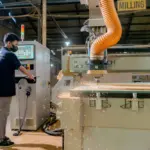
In the heart of rural landscapes, where the golden fields of rice sway gently in the breeze, a silent revolution is underway. Rice processing machines, often overlooked in discussions about technological advancements, are redefining the economic fabric of communities that have long relied on traditional methods. As these machines hum quietly in the background, they are not just transforming the efficiency of rice production; they are also reshaping economic disparities, influencing local empowerment, and challenging the delicate balance between modernization and cultural heritage. This article delves into the subtle yet profound impact of rice processing machines, exploring how they quietly mold the economic landscapes of the regions they touch, often in ways that are both beneficial and contentious.

The Unseen Costs of Automation: Evaluating the Economic Disparities Created by Rice Processing Machines
- Labor Displacement and Skill Erosion: While rice processing machines promise efficiency, their adoption often sidelines traditional laborers, particularly women and marginalized groups who historically dominated manual dehusking and sorting. In regions like Southeast Asia, where these tasks provided livelihoods for thousands, mechanization has not been accompanied by adequate retraining programs. The result? A skills gap that traps displaced workers in low-wage, informal sectors or forces them to migrate for work. Automation’s allure masks a harsh reality: it prioritizes capital over human capital, entrenching inequality unless policymakers enforce targeted upskilling initiatives.
- Hidden Cost Structures: The upfront savings of machines for large agribusinesses come at a systemic price. Smaller cooperatives and independent farmers face asymmetric access, unable to afford high-tech models or spare parts, which are often sourced globally. This creates a two-tiered economy where technological haves and have-nots diverge rapidly. Consider the following trade-offs:
Factor Large Producers Smallholders Initial Investment High (but amortized) Affordable? Rarely Operational Costs Low (energy, maintenance) High (outsourced repairs) Market Control Increased (economies of scale) Diminished (price competition) Recommendation: Subsidized leasing models and modular machine designs could democratize access, but require balancing against the risk of over-reliance on external suppliers. The goal should be inclusion, not just efficiency.
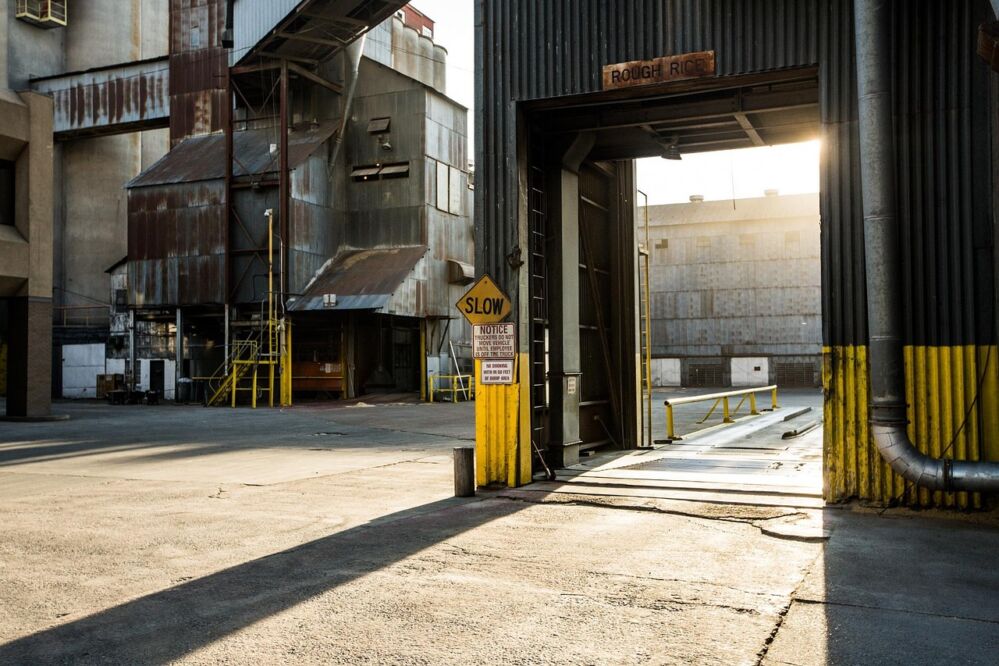
From Dependency to Empowerment: Rethinking the Role of Rice Processing Machines in Local Economies
The transition from dependency on rice processing machines to local empowerment hinges on ownership and community engagement. When villagers take control of these machines, they shift from being passive users to active stakeholders, thus enhancing their bargaining power and economic resilience. Key benefits of this shift include:
- Profit Retention: Local ownership allows communities to retain profits that would otherwise flow to external machine suppliers.
- Skill Development: By engaging with the technology, villagers can develop essential skills, fostering a culture of innovation and self-sufficiency.
- Community Cohesion: Cooperatives formed around machine ownership can strengthen social bonds, creating a support network for training and shared resources.
However, the path to empowerment is not without its trade-offs. Investment in machines requires upfront capital, which can be a barrier for many rural communities. Furthermore, the potential for technological dependency can resurface if communities do not also invest in complementary skills and sustainable practices. To navigate these challenges, nuanced recommendations include:
- Microfinancing Options: Financial institutions can offer tailored loans that enable smallholder farmers to purchase machinery while minimizing risk.
- Training Programs: Collaborations with agricultural extension services can ensure that communities are equipped not just to operate machines but also to innovate upon them.
- Inclusive Policies: Governments should foster an environment that supports cooperative models while ensuring that the benefits of mechanization do not exacerbate existing inequalities.
Through these strategies, rice processing machines can transform from mere tools of productivity into catalysts for holistic community empowerment.
The Paradox of Progress: Balancing Technological Advancements with Cultural Preservation in Rice Processing
Technological upgrades in rice processing, while heralded for their efficiency, often clash with cultural practices that have been integral to community identity. The challenge lies in navigating this juxtaposition: embracing innovation without obliterating traditions. To strike a balance, stakeholders must consider:
- Community Involvement: Engage local communities in the decision-making process regarding the adoption of new technologies. This ensures that traditional methods are respected and integrated rather than discarded.
- Dual Approach: Implement a hybrid model that maintains traditional practices alongside modern technologies. For instance, maintaining small-scale, manual processing options can cater to those who value the artisanal aspects of rice production.
Moreover, the potential for cultural dilution is significant when advancements prioritize speed over heritage. Rather than viewing technological progress as a zero-sum game, it is essential to recognize that preserving cultural practices can also enhance the value of processed rice. This could be achieved through marketing strategies that highlight the unique qualities of traditionally processed rice, appealing to niche markets that are increasingly conscious of provenance and authenticity.
| Advancements in Technology | Cultural Practices |
|---|---|
| Increased efficiency and output | Traditional methods of processing |
| Greater market access | Community bonding and cultural identity |
| Cost reduction for producers | Knowledge transfer to younger generations |
Ultimately, a nuanced approach that sees technology as a tool for enhancement rather than replacement can foster an environment where both progress and preservation coexist, benefiting the economy while honoring the cultural tapestry woven through generations.
In Summary
As the sun sets over the rice paddies, the hum of machinery fades into the background, leaving a landscape reshaped not only by yields but by the subtle shifts in livelihoods, power structures, and cultural rhythms. The story of rice processing machines is a reminder that every technological stride carries a dual legacy: it can lift communities into new realms of prosperity when ownership and cooperative models are embraced, yet it can also widen economic gaps when traditional workers are left behind. Navigating this paradox demands policies that honor both efficiency and heritage, investments that prioritize inclusive skill development, and a vigilant eye on who reaps the benefits of automation. In the end, the true measure of progress will be found not in the quiet clatter of the machines themselves, but in how the people who tend the fields choose to shape the future that those machines help create.