In the world of agriculture and food production, maize stands out as a staple crop, revered for its versatility and nutritional value. However, the journey from field to fork is complex, particularly when it comes to milling. Precision maize milling techniques have emerged as a cornerstone of modern processing, where the nuances of grain quality and advanced equipment specifications play pivotal roles in determining efficiency and output. This article delves into the intricate world of maize milling, offering a comprehensive examination of the critical factors that influence performance metrics. By exploring material considerations, engineering decisions, and technological innovations, we aim to illuminate the path towards optimizing maize milling processes, ensuring that they meet the ever-evolving demands of the industry while maintaining the highest standards of quality.
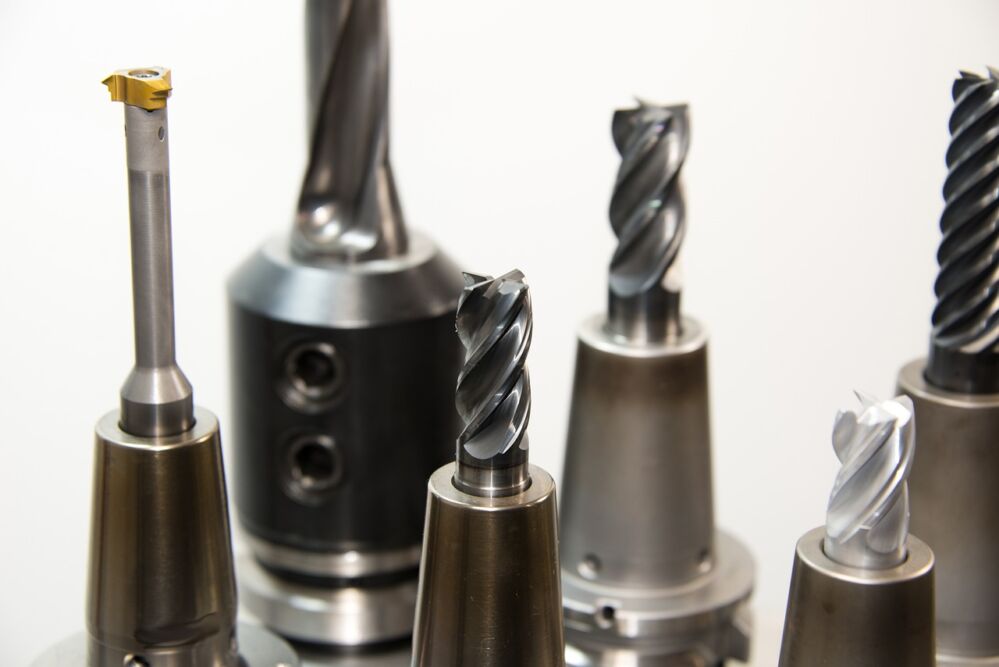
Advanced Material Considerations in Precision Maize Milling: Evaluating Grain Quality and Milling Outcomes
Precision maize milling hinges on the intricate relationship between grain quality and milling outcomes, necessitating a thorough evaluation of both intrinsic and extrinsic factors. Grain quality can be assessed through criteria such as moisture content, kernel hardness, and the presence of mycotoxins. For instance, optimal moisture content, generally between 13-15%, minimizes breakage during milling and enhances flour yield. Kernel hardness, measured using a texture analyzer, influences the energy required for milling; harder kernels often require higher energy inputs, which can affect operational costs. Additionally, the presence of mycotoxins, such as aflatoxins, directly impacts the safety and quality of the final product, necessitating strict quality control measures and testing protocols.
The milling process itself is governed by various mechanical and chemical interactions that dictate the efficiency and effectiveness of grain processing. Key performance factors include the choice of milling equipment—such as roller mills versus hammer mills—each exhibiting distinct advantages and limitations. Roller mills provide finer control over particle size distribution and reduce heat generation, whereas hammer mills may require more energy and produce a coarser flour. A comparative analysis of their specifications reveals that roller mills typically operate at lower RPMs (200-600) compared to hammer mills (1800-3600), affecting not only the energy consumption but also the thermal degradation of nutrients. Furthermore, optimizing the milling process involves a careful balance between feed rate and milling duration, with too high a feed rate potentially leading to incomplete milling and increased wear on machinery. Understanding these technical considerations is essential for achieving superior milling outcomes while maintaining operational efficiency.
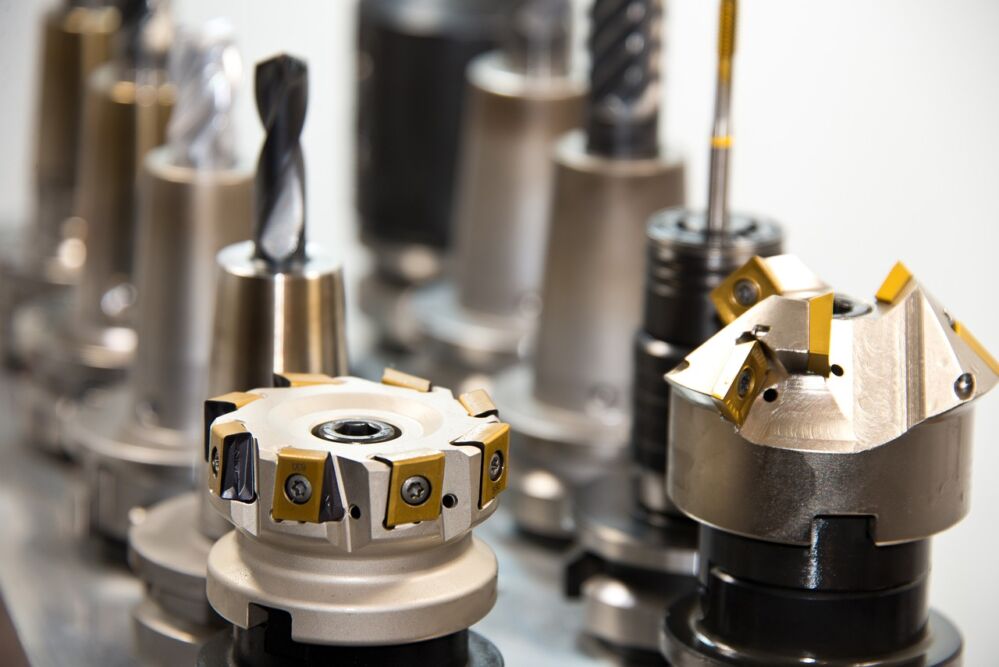
Engineering Decisions in Maize Milling Systems: Balancing Performance Metrics with Process Limitations
Engineering decisions in maize milling systems require a careful balance between performance metrics and inherent process limitations. Key performance indicators (KPIs) such as yield, extraction rate, and energy consumption must be meticulously analyzed against the physical constraints of the milling equipment. Factors influencing these metrics include:
- Material properties: The moisture content and hardness of maize affect how effectively it can be milled. For instance, kernels with higher moisture levels may lead to increased energy consumption and reduced milling efficiency.
- Equipment specifications: The choice of milling technology—be it hammer mills, roller mills, or stone mills—determines the quality of the flour produced and the process's energy efficiency. Roller mills, for example, offer superior precision but may require more sophisticated maintenance protocols compared to simpler hammer mills.
- Process logic: Understanding the flow of material through the milling system is crucial. For example, a two-stage milling process can help achieve finer flour but may also result in higher energy costs and longer processing times.
Additionally, limitations like wear and tear on milling components and variations in maize quality can impact operational consistency. Regular maintenance schedules and monitoring of wear rates are essential to mitigate downtime and maintain optimal performance.
To effectively balance these considerations, milling operations can utilize a matrix to evaluate potential equipment configurations against performance targets and process constraints. An example comparison might look like this:
| Milling Technology | Yield (%) | Energy Consumption (kWh/ton) | Maintenance Frequency |
|---|---|---|---|
| Hammer Mill | 85 | 50 | Monthly |
| Roller Mill | 92 | 40 | Bi-weekly |
| Stone Mill | 80 | 60 | Weekly |
Through such detailed evaluations, milling engineers can make informed decisions to optimize the milling process, ensuring both efficiency and product quality while navigating the limitations inherent to maize milling systems.
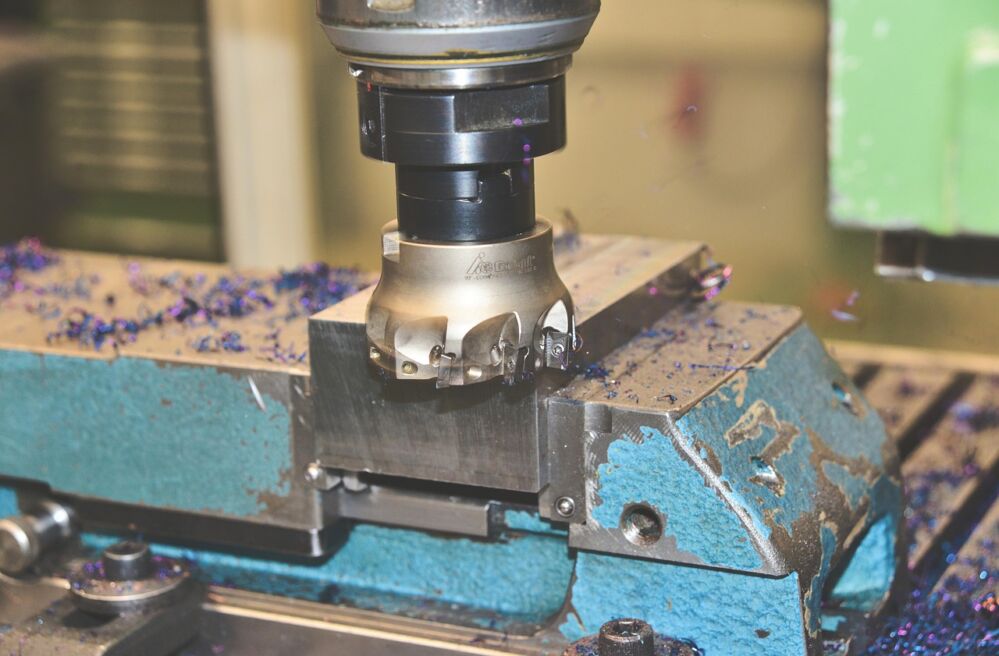
Comparative Analysis of Milling Equipment: Assessing Technological Innovations and Their Impact on Efficiency
The comparative analysis of milling equipment reveals significant advancements that have transformed operational efficiency and output quality in maize milling. Key technologies, such as air classifiers, roller mills, and hammer mills, have evolved to include features that optimize particle size distribution and minimize energy consumption. For instance, roller mills utilize a combination of friction and pressure to break down maize kernels more uniformly compared to traditional hammer mills, which tend to produce a broader particle range and higher heat generation. The efficiency of these systems can be quantitatively assessed through metrics such as energy consumption per ton of maize processed, yield percentage, and maintenance downtime.
When evaluating milling equipment, several criteria must be considered to ascertain their impact on process efficiency:
- Capacity: The throughput of the milling equipment, generally measured in tons per hour, dictates the scale of production.
- Energy Efficiency: The kilowatt-hours consumed per ton of maize processed serves as a crucial benchmark.
- Maintenance Requirements: The frequency and complexity of maintenance tasks can significantly affect operational uptime.
- Flexibility: The ability to handle different maize varieties or milling specifications without significant reconfiguration.
Table 1 below summarizes the comparative performance of key milling technologies:
| Equipment Type | Capacity (tons/hour) | Energy Consumption (kWh/ton) | Maintenance Frequency (months) |
|---|---|---|---|
| Roller Mill | 5-20 | 30-50 | 6 |
| Hammer Mill | 2-15 | 40-70 | 3 |
| Air Classifier | 3-10 | 25-40 | 12 |
Despite these advancements, limitations still exist. For example, while roller mills are efficient in producing fine flour, they may not be suitable for coarser products without additional processing stages. Hammer mills, while versatile, can result in higher heat and moisture content, potentially compromising the quality of the final product. Therefore, selecting the appropriate milling equipment requires a thorough understanding of the milling objectives, available resources, and desired outcomes.
In Summary
In conclusion, the exploration of precision maize milling techniques reveals a multifaceted approach to optimizing the milling process, where the interplay of grain quality, engineering decisions, and innovative equipment plays a pivotal role. As the demands for efficiency and high-quality output continue to grow in the agricultural sector, adopting these advanced methodologies becomes essential. By understanding the nuances of each component in the milling chain, stakeholders can enhance their operational capabilities, ensuring maize not only retains its nutritional value but also meets the evolving needs of consumers. The journey from field to fork can be refined, paving the way for a more sustainable and productive agricultural future.