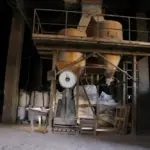
In the ever-evolving landscape of agricultural production, the mini rice mill plant has emerged as a beacon of innovation, efficiency, and sustainability. As rice remains a staple food for billions, the demand for effective processing solutions continues to grow. This article delves into the intricate world of mini rice mill plants, offering a comprehensive exploration of their setup and operation. By unraveling common misconceptions, comparing them with larger grain processing alternatives, and identifying crucial equipment and technology considerations, we aim to equip aspiring entrepreneurs and seasoned operators alike with the knowledge required to maximize output and enhance productivity. Join us on this journey to uncover the potential of mini rice mill plants and their role in shaping the future of rice processing.

Navigating the Challenges: Common Misconceptions Surrounding Mini Rice Mill Plant Operations
Many misconceptions surround the operation of mini rice mill plants, which can hinder potential investors and operators from realizing their full benefits. A prevalent myth is that mini rice mills are only suitable for small-scale operations. In reality, these mills can efficiently serve medium-sized enterprises as well, offering flexibility in production volume. Benefits of mini rice mills include:
- Cost Efficiency: Lower initial investment compared to larger mills.
- Space-Saving Design: Compact size allows for installation in smaller facilities.
- Versatility: Capable of processing various rice varieties and producing different grades of rice.
Another common misconception is the belief that mini mills compromise on quality. On the contrary, advancements in technology have led to the development of high-quality machinery that can produce rice with minimal broken grains and optimal milling rates. Operators should also be aware that proper maintenance and skilled personnel are essential for maximizing efficiency. Key aspects to consider include:
| Aspect | Importance |
|---|---|
| Regular Maintenance | Ensures longevity and efficiency |
| Operator Training | Reduces errors and enhances output |
| Quality Control | Maintains product standardization |
Addressing these misconceptions is crucial for anyone considering entering the mini rice milling sector, as understanding the true capabilities of these plants can lead to informed decisions and successful operations.

Comparative Insights: Evaluating Mini Rice Mills Against Larger Grain Processing Solutions
When evaluating mini rice mills versus larger grain processing solutions, several key factors must be considered. Mini rice mills are designed for small to medium-scale operations, allowing farmers and entrepreneurs to process rice with lower initial investments and operational costs. They typically require less space and can be set up in rural areas, making them accessible to local communities. On the other hand, larger grain processing solutions often involve significant capital investments, complex machinery, and extensive infrastructure, which can be prohibitive for many small-scale operators.
Benefits of Mini Rice Mills include:
- Cost-Effectiveness: Lower setup and maintenance costs.
- Flexibility: Adaptable to varying scales of production.
- Accessibility: Can be established in remote areas, boosting local economies.
However, challenges also exist, such as limited production capacity and potential difficulties in meeting large-scale demand. In contrast, larger mills can handle higher volumes and offer advanced technology for better efficiency and quality control. They may also provide a broader range of services, such as packaging and distribution. A useful comparison can be summarized in the following table:
| Feature | Mini Rice Mills | Larger Grain Processing Solutions |
|---|---|---|
| Initial Investment | Lower | Higher |
| Production Capacity | Limited | High |
| Operational Costs | Lower | Higher |
| Flexibility | High | Moderate |
| Technology | Basic to Intermediate | Advanced |
Ultimately, the choice between mini rice mills and larger solutions depends on the specific needs and goals of the operator, including budget constraints, target market, and production scale.
Key Factors for Success: Selecting the Right Equipment and Technology for Your Mini Rice Mill Plant
Selecting the right equipment and technology for your mini rice mill plant is crucial to achieving optimal output and efficiency. Key factors to consider include the capacity and scalability of the machinery, which should align with your production goals. For instance, you might choose between a small-scale mill with a capacity of 100 kg/hour or a larger variant capable of processing up to 1,000 kg/hour. Additionally, consider the technology used in the milling process, such as modern husking machines versus traditional methods. Advanced technologies not only enhance the quality of the rice but also reduce the milling time, contributing to overall operational efficiency.
Another important aspect is the maintenance and support offered by equipment manufacturers. Ensure that the supplier provides comprehensive after-sales service and readily available spare parts. This can significantly reduce downtime and keep your operations running smoothly. Furthermore, look into energy efficiency ratings of the machinery; equipment that consumes less power can drastically lower operational costs over time. When comparing different options, create a table that includes aspects like capacity, power consumption, and maintenance costs to help visualize the benefits of each piece of equipment. By carefully evaluating these factors, you can make informed decisions that position your mini rice mill plant for long-term success.
Closing Remarks
In conclusion, setting up and operating a mini rice mill plant presents a unique opportunity to harness the potential of rice processing while addressing the growing demands of the market. By dispelling myths and understanding the advantages of these smaller-scale operations, investors and operators can make informed decisions that pave the way for success. Choosing the right equipment and embracing innovative technologies are essential steps in maximizing output and ensuring efficiency. As the agricultural landscape evolves, the mini rice mill stands as a vital component in promoting sustainability and supporting local economies, making it a worthwhile venture for those ready to embrace its benefits.