
In the world of agriculture, rice stands as a staple food that nourishes billions, making the efficiency of its processing crucial. As consumer demands grow and the market becomes increasingly competitive, rice millers must seek innovative ways to enhance their operations. Transforming your rice milling process not only ensures the delivery of high-quality products but also streamlines production, boosting profitability. This article explores essential upgrades that can revolutionize your milling operations, from evaluating equipment performance to embracing cutting-edge technologies. Whether you’re a seasoned miller or just starting out, these insights will guide you toward a more efficient and effective rice milling process.

Boost Quality and Efficiency in Rice Milling by Evaluating Equipment Performance Standards
Evaluating equipment performance standards in your rice milling operation is essential for boosting both quality and efficiency. Start by conducting a thorough assessment of your existing machinery, focusing on key metrics such as milling yield, breakage rates, and energy consumption. For instance, if your milling yield is consistently below 60%, it may indicate that your machines are not operating efficiently. Regularly monitor these performance indicators and compare them against industry benchmarks. Create a checklist that includes:
- Milling yield percentage
- Percentage of broken grains
- Energy costs per ton of rice milled
- Downtime frequency
This will help you identify weaknesses in your equipment and target specific areas for improvement.
When evaluating your equipment, be mindful of common pitfalls that can hinder productivity. A frequent issue is the underutilization of advanced features, such as automatic grain feeding and real-time monitoring systems, which can significantly enhance efficiency. If your machinery lacks these capabilities, consider upgrading to models that incorporate such technology. For example, a modern fully automatic rice mill can reduce labor costs and improve consistency by automating critical processes. Additionally, ensure that your equipment is calibrated correctly; misalignment can lead to excessive wear and increased maintenance costs. Use a performance evaluation table to track improvements post-upgrade:
| Equipment Type | Pre-Upgrade Yield (%) | Post-Upgrade Yield (%) | Breakage Rate (%) |
|---|---|---|---|
| Older Model | 55 | 65 | 10 |
| New Fully Automatic Mill | 60 | 75 | 5 |
Implementing these strategies will not only enhance the quality of your milled rice but also optimize operational efficiency.
Essential Maintenance Practices to Extend the Lifespan of Your Rice Milling Machinery
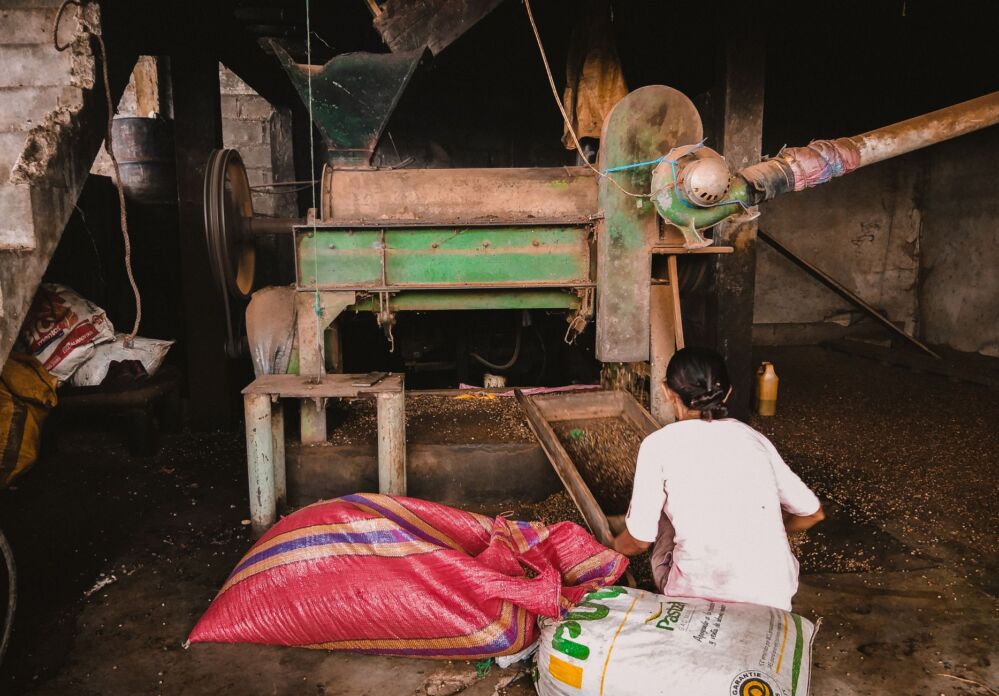
Regular maintenance of your rice milling machinery is vital for ensuring longevity and optimal performance. Begin by establishing a routine inspection schedule that includes checking for wear and tear on essential components like rollers, hulling machines, and separators. Pay special attention to the following areas:
- Lubrication: Ensure that all moving parts are well-lubricated to minimize friction and prevent overheating. Use high-quality grease and oils suitable for your specific machinery.
- Belts and Chains: Inspect for signs of wear or misalignment. Replace any worn belts promptly to avoid more significant issues down the line.
- Cleaning: Regularly clean dust and debris from machines, particularly around the hulling and milling sections. Accumulation of rice husks can lead to blockages and reduced efficiency.
Moreover, implement predictive maintenance strategies using performance monitoring tools to catch potential failures before they occur. For example, utilizing vibration analysis can help detect imbalances in the machinery that could lead to costly breakdowns. Keeping a maintenance log can also aid in tracking the performance of each component, allowing you to make informed decisions about replacements or upgrades.
| Maintenance Task | Frequency | Tools Needed |
|---|---|---|
| Inspect belts | Weekly | Wrench, screwdriver |
| Lubricate moving parts | Monthly | Lubricant, grease gun |
| Clean machinery | Bi-weekly | Compressed air, brush |
By prioritizing these practices, you can minimize downtime and maximize the efficiency and lifespan of your rice milling equipment, ensuring that your operations remain competitive and profitable.
Avoiding Common Pitfalls: Key Mistakes in Rice Milling Process Upgrades to Sidestep
Upgrading your rice milling process can lead to significant improvements, but it's crucial to avoid common pitfalls that can undermine your efforts. One major mistake is failing to conduct a thorough needs assessment before implementing new technology. Identify your specific challenges—be it low milling yield or excessive breakage—and ensure that the upgrades you choose directly address these issues. For instance, investing in a high-capacity rice mill without assessing your current production levels may lead to underutilization and wasted capital. Additionally, neglecting to involve your operational team in the decision-making process can result in resistance to change, as they may not feel comfortable with new machinery.
Another common error is overlooking the importance of compatibility with existing systems. Before making any purchases, check the following:
- Power supply requirements
- Space constraints
- Integration capabilities with current equipment
Failing to account for these factors can lead to costly modifications post-purchase. Moreover, consider the training needs of your staff when introducing new technology. A well-planned training program can significantly enhance the effectiveness of the upgrade. For example, a rice mill that recently integrated advanced sorting technology improved its efficiency by 20% after providing comprehensive training sessions. By actively engaging your team and ensuring all systems align, you will foster a smoother transition and maximize your investment in the upgrade.
Innovative Technologies in Rice Milling: What Works Best for Your Production Needs
Matching new technology to your mill should start with a bottleneck audit, not a catalog: if head-rice yield is being lost at the whitening stage, a high-end color sorter further downstream will only polish a problem you have not fixed. Before requesting quotes, pull six months of data on breakage per pass, moisture variation at intake, and recovery percentages by paddy grade, then rank your loss points in dollar order. Use that ranking to weigh the options that actually move those numbers:
- Optical color sorters: pay back fastest where discoloration, chalky grains, or foreign matter trigger price downgrades; look for NIR-capable machines if you also need to catch damaged or immature grains invisible to RGB cameras.
- Automated moisture monitoring and drying integration: the single highest-leverage upgrade when intake paddy varies by more than 1–2% moisture, since every point of excess moisture shows up as breakage in the whitener.
- IoT sensors on hullers, polishers, and elevators: cheap relative to the downtime they prevent, but only valuable if someone is assigned to act on the alerts.
- servo-controlled rubber roller hullers: reduce broken grains at the husking stage by maintaining consistent contact pressure as rollers wear.
| Upgrade | Best for | Typical payback | Main risk |
|---|---|---|---|
| Optical sorter | Mills selling to quality-sensitive or export markets | 12–24 months | Over-specifying channels you do not need |
| Moisture automation | Variable harvest moisture, on-site drying | 6–18 months | Poor calibration against local paddy varieties |
| IoT monitoring | Older equipment with recurring unplanned stops | 12–30 months | Alerts nobody owns or responds to |
The most common failure mode is not the technology itself — it is buying capability the mill cannot yet operate. Automation layered over undocumented settings, inconsistent paddy sourcing, and untrained staff tends to amplify variability rather than remove it, and vendors rarely flag this because their incentive is machine count, not your yield. Protect the investment by insisting on a trial on one line or a staged commissioning with acceptance thresholds tied to measurable outcomes — head-rice recovery, broken percentage, rejection rate — rather than generic throughput claims. Check that the supplier maintains spare-part stock and technician availability within your region, ask for references from mills running similar capacities and varieties, and negotiate a service-level agreement covering response time for the first two seasons. Equally important: budget for the data plumbing, calibration, and operator training as line items, because the mills that see real returns are the ones whose people can read a sorter’s reject statistics and adjust upstream cleaning accordingly. If capital is constrained, sequence the upgrades so each one stabilizes the input for the next — drying before whitening, monitoring before full automation — and let measured gains from each stage fund the following one.
Wrapping Up
In the ever-evolving landscape of rice milling, embracing essential upgrades is not just a choice but a necessity for those aiming to stay competitive. By prioritizing equipment performance, regular maintenance, and informed technological investments, millers can significantly enhance both the quality of their product and the efficiency of their operations. Avoiding common pitfalls ensures that these improvements translate into tangible results, setting the stage for sustained success in a demanding market. As you embark on this transformative journey, remember that each upgrade is a step toward not only meeting consumer expectations but also fostering a more resilient and profitable milling enterprise.