
In the world of agriculture and food production, rice stands as one of the most vital staples, nourishing billions across the globe. As demand for this essential grain continues to rise, so does the opportunity for entrepreneurs to tap into the rice milling industry. Setting up a mini rice mill plant can be a lucrative venture, but achieving optimal efficiency requires more than just a passion for grain processing. It demands a strategic approach, informed decisions, and an understanding of the nuances that affect operation and productivity. This essential guide will walk you through the key elements of establishing a mini rice mill plant, from selecting the right equipment to overcoming common challenges, ensuring you are well-equipped to thrive in this competitive market. Join us as we explore the intricacies of rice milling, empowering you to maximize output and drive your business toward success.
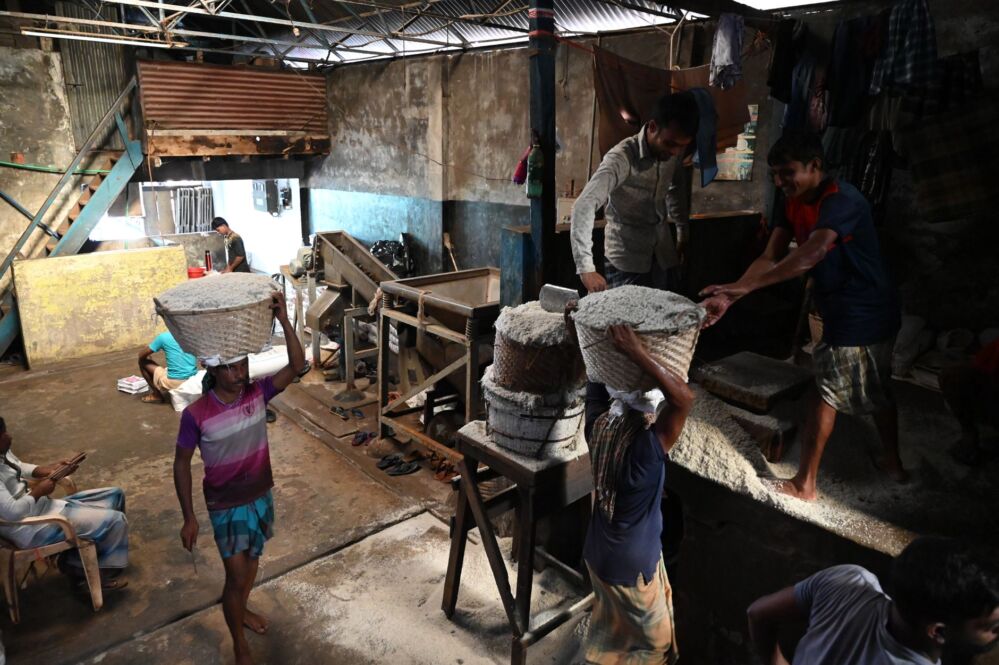
Choosing the Right Equipment: Key Features for Your Mini Rice Mill Plant
When selecting equipment for your mini rice mill plant, it’s essential to focus on specific features that enhance efficiency and product quality. Capacity is a critical factor; choose a mill that can handle your expected volume without overworking the machinery. Typical capacities range from 500 kg to 2 tons per hour, depending on the scale of your operation. Automation is another vital aspect—automated rice mills can significantly reduce labor costs and increase processing speed. Look for systems that include automated feeding and packaging, as these can streamline your workflow. Additionally, consider energy efficiency; energy-efficient models may have a higher initial cost but can lead to substantial savings in operating costs over time.
Another important feature to evaluate is the quality of the milling process. A good mini rice mill should have adjustable settings for hulling and polishing to ensure minimal breakage and maximum yield. Maintenance ease is also crucial; equipment that is user-friendly and easy to maintain can prevent costly downtimes. To help you compare different models, create a simple table that outlines the specifications and features of each option. Don’t forget to factor in the after-sales service and availability of spare parts, as these can significantly impact your long-term success. By carefully considering these features, you can make an informed decision that aligns with your business goals.
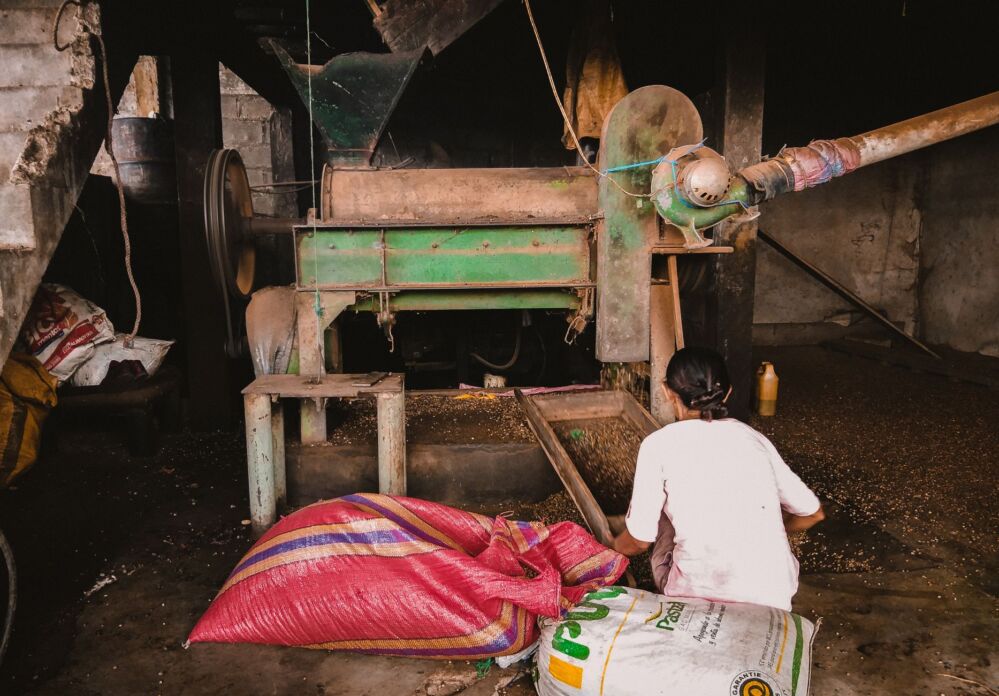
Common Misconceptions About Mini Rice Mills and Their Impact on Business Decisions
Many entrepreneurs mistakenly believe that mini rice mills are only suitable for small-scale operations and lack the capacity to meet larger market demands. In reality, modern mini rice mills can handle significant volumes while maintaining quality and efficiency. These mills are designed with advanced technology that ensures optimal processing of rice, enabling them to compete with larger, traditional milling operations. Additionally, the scalability of mini rice mills allows businesses to start small and expand their operations as demand grows, making them a flexible choice for various market conditions.
Another common misconception is that mini rice mills are less cost-effective due to their smaller size. However, the initial investment in a mini rice mill can be offset by lower operational costs, such as reduced energy consumption and maintenance expenses. Many of these mills are engineered for energy efficiency, which can lead to substantial savings over time. Furthermore, the ability to source locally grown rice can reduce transportation costs and improve profit margins. By addressing these misconceptions, entrepreneurs can make more informed decisions when considering entry into the rice milling industry.
- Scalability: Mini mills can grow with your business.
- Cost-effectiveness: Lower operational costs can outweigh initial investments.
- Energy efficiency: Modern designs lead to savings in energy and maintenance.
Maximizing Output: Innovative Strategies for Enhancing Your Mini Rice Mill Efficiency
To maximize output in your mini rice mill, implementing innovative strategies is essential. Start by leveraging automation technologies that streamline operations. For instance, adopting digital monitoring systems can enhance precision in milling processes and reduce downtime. Additionally, employing high-efficiency milling equipment not only boosts production rates but also minimizes energy consumption. Regular maintenance schedules should be instituted to prevent machine wear and tear, ensuring consistent performance. Consider incorporating quality control measures, such as automated grain testing, to maintain product standards and reduce waste.
Another effective approach is to optimize the workflow layout within your milling facility. Organizing machinery for a smooth flow of rice from one processing stage to another can significantly reduce handling time and increase throughput. Establishing a robust supply chain network is also crucial; partnering with local farmers can ensure a steady supply of paddy and help in negotiating better prices. Furthermore, training staff on best practices in operation and maintenance fosters a culture of efficiency. To summarize, a combination of advanced technology, strategic layout design, and strong partnerships will enhance the overall efficiency of your mini rice mill, positioning it for success in a competitive market.
Navigating Challenges: Common Issues in Mini Rice Mill Setup and How to Overcome Them
Setting up a mini rice mill can present several challenges that new entrepreneurs must navigate effectively. One common issue is site selection, where inadequate space or improper location can hinder operations. To mitigate this, it’s essential to conduct thorough research on the geographical area, ensuring proximity to rice supply sources and accessibility for distribution. Moreover, investing in a well-designed layout can optimize workflow and minimize bottlenecks. Another challenge is understanding the regulatory requirements associated with food production. Failing to comply with local health and safety standards can lead to significant setbacks. Engaging with local agricultural departments early in the process can clarify necessary licenses and permits, ensuring a smoother setup.
Financial constraints often plague new ventures, making it crucial to carefully plan budgets and seek funding options. Entrepreneurs should consider exploring microfinance or partnerships with established agricultural cooperatives to secure initial capital. Additionally, unexpected technical issues with machinery can arise after installation. To tackle this, it’s advisable to invest in equipment from reputable manufacturers that offer warranties and reliable customer support. Regular maintenance schedules and training sessions for staff can also help minimize downtime and ensure that operations run smoothly. By addressing these considerations proactively, entrepreneurs can position their mini rice mills for success in a competitive market.
Concluding Remarks
In conclusion, establishing a mini rice mill plant offers a promising venture for those looking to make an impact in the agricultural sector. By carefully selecting the right equipment, dispelling lingering misconceptions, and incorporating innovative strategies, entrepreneurs can optimize their operations to meet growing demands. While challenges may arise during setup, a proactive approach to problem-solving can pave the way for success. As the world continues to rely on rice as a fundamental food source, your mini rice mill could play a pivotal role in ensuring that this staple reaches consumers efficiently and effectively. Embrace the journey ahead, and let your passion for quality rice processing lead you to new heights in this dynamic industry.