As the global demand for maize continues to rise, the quest for enhanced milling techniques becomes increasingly vital. The maize milling industry stands at the crossroads of tradition and innovation, where age-old practices meet cutting-edge technology. This article delves into the innovative techniques reshaping maize milling, emphasizing the importance of precision, equipment standards, and process optimization. By examining the latest advancements in machinery design, exploring the impact of material properties, and assessing the role of automation, we aim to provide a comprehensive overview of how these elements converge to boost yield and efficiency. Additionally, a comparative analysis of traditional and modern milling approaches will reveal the profound differences in performance and productivity, offering insights that could redefine the future of maize processing.

Innovative Machinery Design in Maize Milling: Engineering Solutions for Precision and Output Enhancement
Innovative machinery design in maize milling leverages advanced engineering principles to achieve higher precision and output. Key mechanisms such as roller mills, hammer mills, and air classifiers are engineered to optimize the grinding process while maintaining the integrity of the maize kernels. For instance, roller mills employ a series of cylindrical rollers that crush and grind the maize, allowing for adjustable settings that control the degree of fineness. This adaptability is crucial in meeting diverse product specifications, such as flour texture and particle size. In contrast, hammer mills utilize high-speed rotating hammers to pulverize the maize, and their performance can be enhanced by varying the screen sizes, affecting the final product's granulation.
When evaluating machinery performance, several criteria must be considered, including energy efficiency, throughput capacity, and maintenance requirements. For example, a high-efficiency roller mill may consume 20% less energy than a traditional hammer mill while achieving similar or superior output rates. Performance factors also include wear resistance and material selection; components made from hardened steel or ceramic can significantly extend the lifespan of milling equipment. Limitations of each machine type must be acknowledged, as roller mills may not be suitable for very moist maize due to clogging risks, while hammer mills may produce excessive heat, affecting flour quality. A comparative analysis of these technologies is essential, as it allows operators to select the most appropriate equipment based on specific operational needs and desired product characteristics.
| Equipment Type | Energy Efficiency | Typical Output (kg/h) | Maintenance Needs |
|---|---|---|---|
| Roller Mill | High | 500-2000 | Low |
| Hammer Mill | Moderate | 300-1500 | Moderate |
Material Properties and Their Impact on Maize Milling Performance: A Technical Perspective
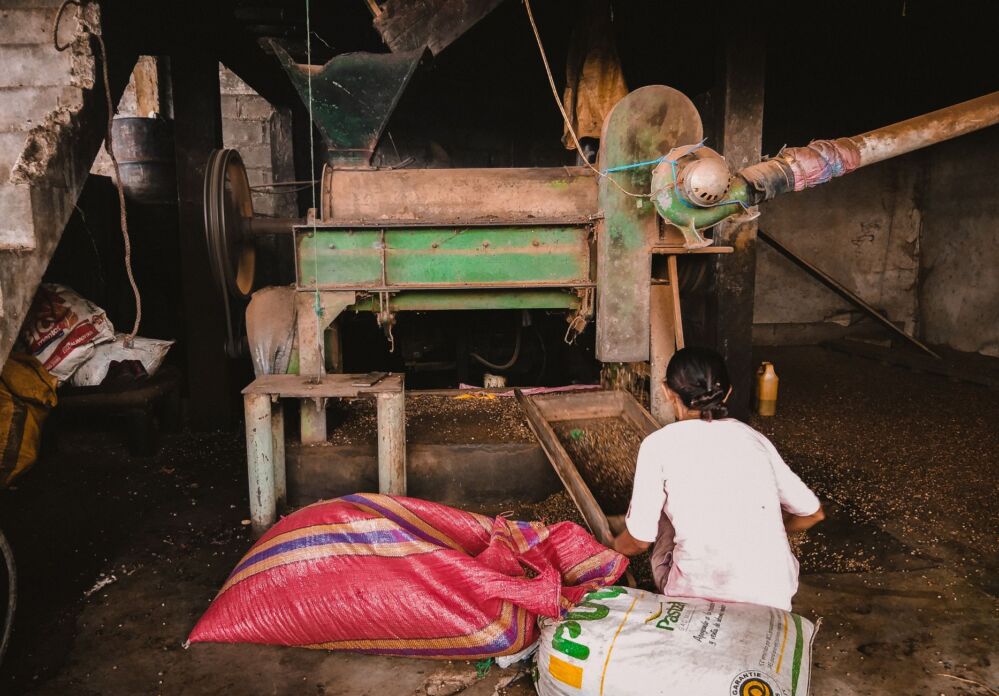
The performance of maize milling is significantly influenced by the intrinsic material properties of the grain, which directly affect the efficiency and quality of the milling process. Key properties include moisture content, kernel hardness, endosperm composition, and hull thickness. Moisture content, ideally between 13% to 15%, plays a critical role in determining the milling yield and flour quality; excessive moisture can lead to clumping and reduced shelf life, while too little moisture increases breakage. Kernel hardness, characterized by the degree of endosperm modification, impacts the ease with which the grain can be milled. Harder kernels may require more energy and specialized equipment, such as roller mills with adjustable settings to accommodate varying hardness levels. Moreover, the composition of the endosperm, which can differ among maize varieties, dictates the flour's functionality, affecting its suitability for different food products.
Understanding these material properties allows for tailored milling processes that enhance yield and product quality. For instance, the use of specific milling techniques based on kernel hardness can optimize energy efficiency and minimize wear on machinery. Furthermore, analyzing the impact of hull thickness is essential; thicker hulls can increase the amount of bran produced, potentially reducing the flour yield per unit of grain. A comparative analysis of these properties across various maize varieties can guide equipment selection and operational strategies.
| Property | Ideal Range | Impact on Milling |
|---|---|---|
| Moisture Content | 13% – 15% | Affects yield and shelf life |
| Kernel Hardness | Variable | Influences energy requirements |
| Endosperm Composition | Varies by variety | Determines flour functionality |
| Hull Thickness | Varies by variety | Impacts bran production and yield |
By focusing on these material characteristics, millers can better align their operations with the unique requirements of different maize types, thus driving improvements in both efficiency and profitability.
Assessing the Role of Automation in Maize Milling: Balancing Efficiency and Quality Control
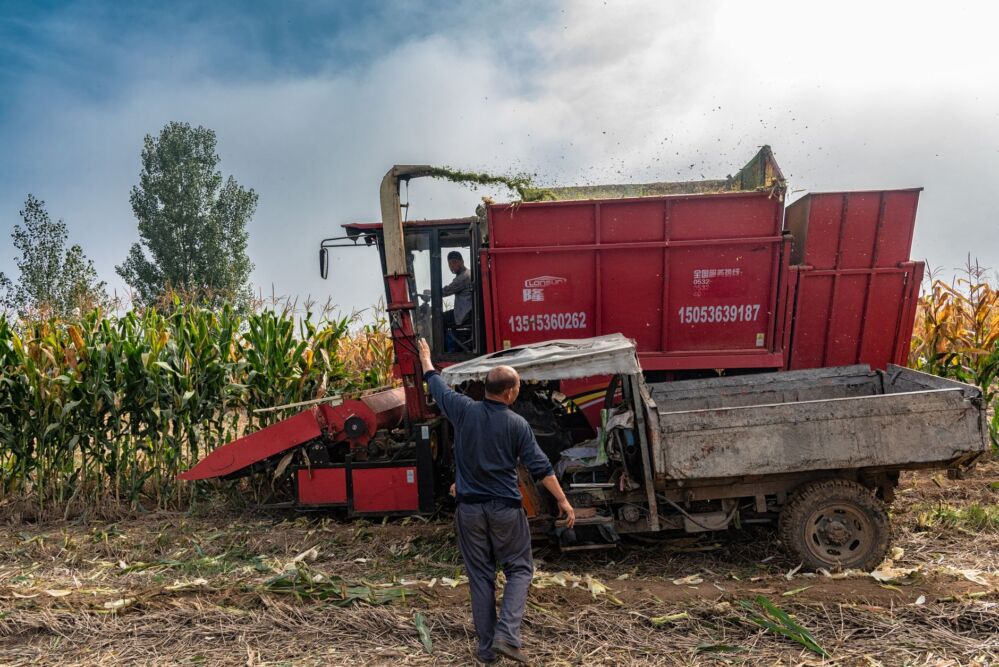
The integration of automation in maize milling processes significantly enhances operational efficiency while ensuring stringent quality control. Automated systems, such as programmable logic controllers (PLCs) and real-time monitoring devices, facilitate precise control over various milling parameters including moisture content, temperature, and particle size distribution. These systems can utilize feedback loops that adjust milling conditions dynamically based on sensor inputs. For instance, when moisture levels deviate from the optimal range, automated adjustments to the milling speed or temperature can be made to prevent spoilage and maintain product consistency.
However, the adoption of automation is not without its challenges. Key considerations include the initial capital investment, the need for skilled personnel to operate and maintain automated systems, and the potential for system malfunctions that could disrupt production. Furthermore, while automation can greatly enhance efficiency, there is a risk of compromising product quality if systems are not calibrated correctly or if they malfunction. A comparative analysis of automated versus traditional milling processes reveals that while the former can achieve higher throughput and uniformity, traditional methods may offer greater flexibility for small-scale operations that prioritize artisanal quality over mass production. Below is a summary of the critical factors influencing the effectiveness of automation in maize milling:
- Efficiency: Increased throughput and reduced operational downtime.
- Quality Control: Enhanced consistency in product specifications.
- Investment: High initial costs versus long-term savings.
- Maintenance: Need for technical expertise and ongoing support.
- Flexibility: Limitations in adapting to varying product requirements.
Comparative Analysis of Traditional and Modern Maize Milling Techniques: Unveiling Efficiency and Yield Differences
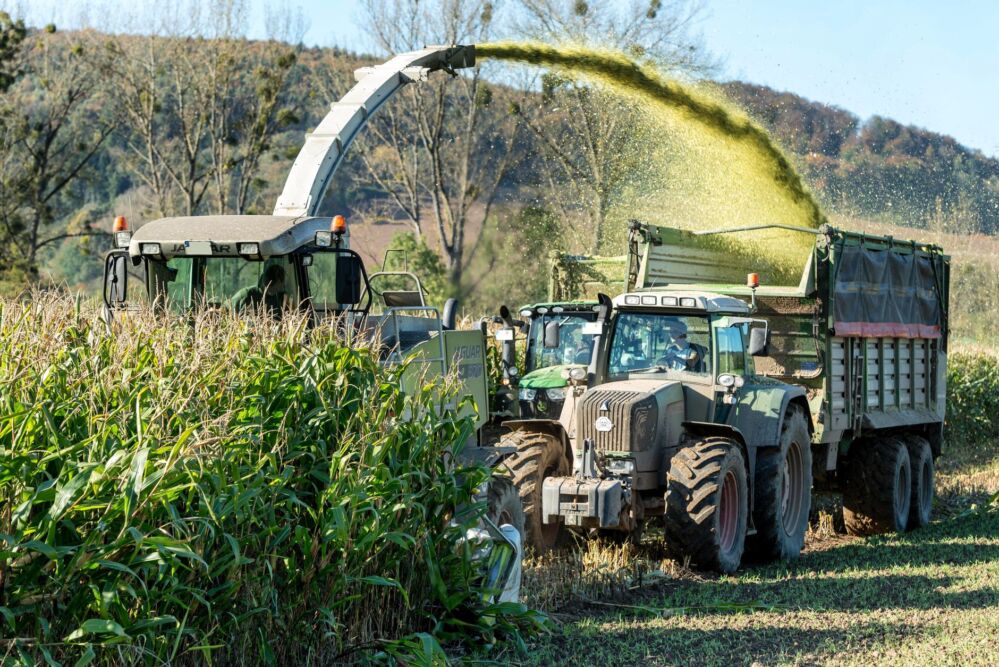
Traditional maize milling techniques primarily involve stone mills and hammer mills, which have been used for centuries. These methods rely on the mechanical crushing of grains through friction and impact, leading to significant variations in particle size and potential loss of nutritional value. For instance, stone mills produce a coarse flour with higher fiber content but may also generate excessive heat, which can adversely affect the flavor and quality of the finished product. The efficiency of traditional milling is often limited by the need for manual labor, variable throughput rates, and the wear and tear of equipment, which can lead to inconsistent yields. Moreover, the output from these mills is typically lower, averaging around 40-60% yield from the original grain weight due to the inefficiencies in separating bran and germ from the endosperm.
In contrast, modern maize milling techniques utilize advanced machinery such as roller mills and pneumatic systems that significantly enhance efficiency and yield. Roller mills operate on the principle of gradual reduction, allowing for precise control over the grinding process, thus achieving a more uniform particle size. This method can yield up to 80-90% of the original grain weight, largely due to improved separation processes such as air classification, which efficiently removes the bran and germ while preserving the endosperm. Key specifications for modern milling equipment include adjustable roll gaps, automated feed systems, and integrated dust collection mechanisms that minimize product loss. However, the initial investment and maintenance costs for modern equipment can be substantial, posing a barrier for smaller operations. Overall, while traditional milling methods may offer simplicity and lower upfront costs, modern techniques provide superior yield and efficiency, justifying their adoption in today’s competitive milling landscape.
| Criteria | Traditional Milling | Modern Milling |
|---|---|---|
| Yield Rate | 40-60% | 80-90% |
| Equipment Cost | Lower upfront cost | Higher initial investment |
| Particle Size Control | Variable | Precise |
| Labor Requirement | High | Lower |
| Nutritional Quality | Potential loss | Maintained |
Key Takeaways
As we conclude our exploration of innovative techniques in maize milling, it is clear that the marriage of tradition and technology holds great promise for the future of this vital industry. The advancements in machinery design, coupled with a deeper understanding of material properties and the role of automation, pave the way for enhanced efficiency and yield. By embracing these innovations, stakeholders can not only meet the growing global demand for maize but also improve the quality of their products, ensuring a sustainable and prosperous future for the milling sector. The journey towards optimizing maize milling processes continues, reflecting an industry that is both resilient and forward-thinking.