In the heart of rural landscapes, where the golden waves of rice paddies sway gently in the breeze, small farmers face a myriad of challenges in their quest for productivity and sustainability. As the global demand for rice climbs, the need for innovative solutions becomes paramount. Enter the combine mini rice mill—an emerging technology designed to empower smallholders by streamlining the milling process and enhancing efficiency. This article delves into the myriad advantages these compact machines bring to the table, offering insights into their pivotal role in transforming rice production for small farmers. From dispelling common myths to comparing traditional methods with modern practices, we explore how combine mini rice mills can be a game changer in the journey toward sustainable agriculture and increased yield.
The Role of Combine Mini Rice Mills in Sustainable Agriculture for Smallholders
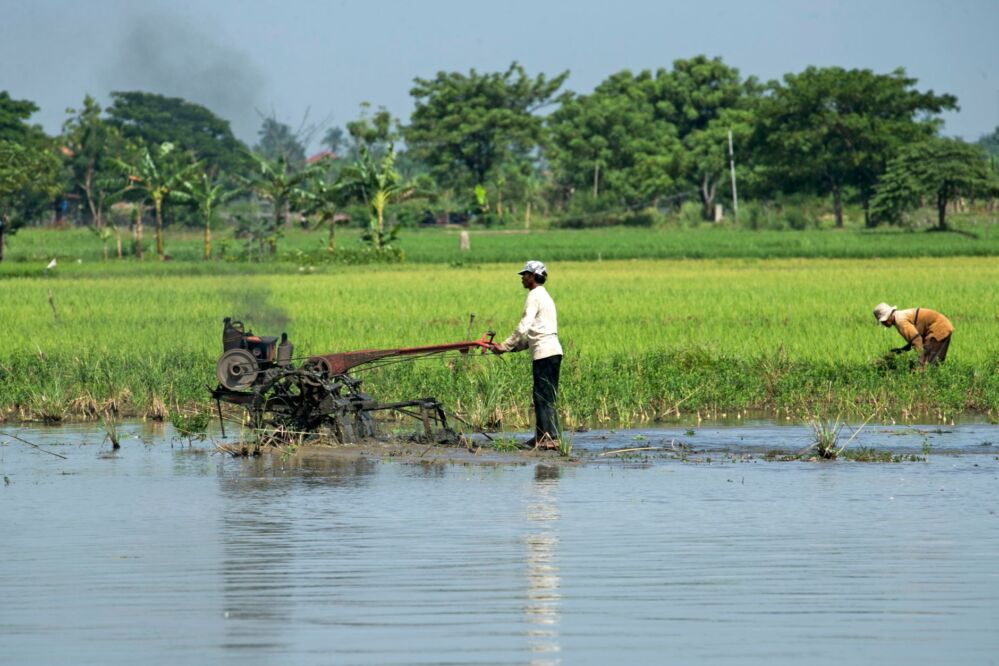
Combine mini rice mills play a crucial role in promoting sustainable agriculture among smallholder farmers by enhancing efficiency and reducing post-harvest losses. These compact machines enable farmers to process their rice quickly and effectively, minimizing the time from harvest to market. By reducing the need for manual labor and traditional milling methods, which can be labor-intensive and time-consuming, combine mini rice mills contribute to lower production costs. This efficiency not only helps in maximizing the profitability of rice farming but also encourages smallholders to engage in environmentally friendly practices. With less reliance on large-scale milling facilities, farmers can maintain better control over their production processes, leading to fresher and higher-quality rice.
In addition to improving operational efficiency, combine mini rice mills support sustainable agriculture by promoting resource conservation. They typically use less water and energy compared to conventional milling systems, aligning with eco-friendly practices that are vital in today's agricultural landscape. Furthermore, these mills often come equipped with features that allow for the proper separation of husks and other by-products, which can be repurposed as organic fertilizers or animal feed, thus reducing waste. For smallholder farmers looking to enhance their sustainable practices, adopting a combine mini rice mill can be a game-changer. Key benefits include:
- Reduced Post-Harvest Losses: Quick processing minimizes spoilage.
- Lower Production Costs: Efficiency leads to better profit margins.
- Resource Conservation: Less water and energy usage.
- Waste Utilization: By-products can be recycled effectively.
By integrating these mills into their operations, small farmers not only boost their productivity but also contribute to a more sustainable agricultural ecosystem.
Overcoming Common Myths About Combine Mini Rice Mills in Rice Production
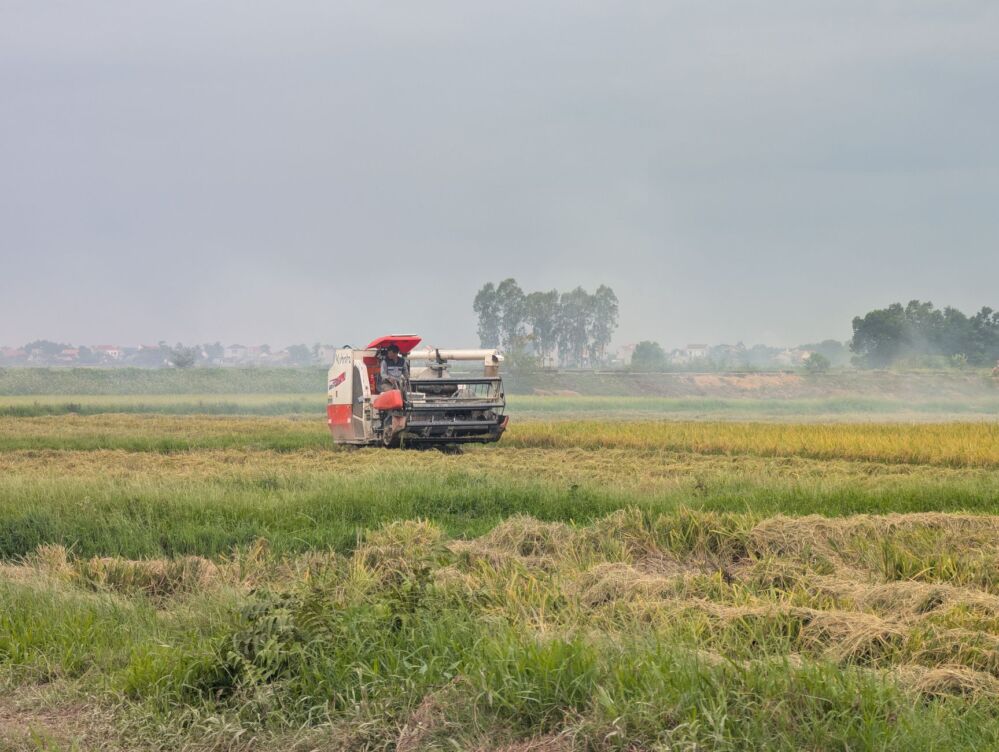
Many small farmers may harbor misconceptions about combine mini rice mills that can hinder their adoption. One prevalent myth is that these machines are too expensive to justify the investment. In reality, the initial cost of a combine mini rice mill can often be offset by the significant reductions in labor and processing time, as well as improved rice quality. Furthermore, many manufacturers offer financing options or subsidies, making these machines more accessible. Another common belief is that mini rice mills are only suitable for large-scale operations. However, these mills are specifically designed for smallholder needs, allowing farmers to process rice efficiently on a smaller scale without compromising quality.
Another misconception is that using combine mini rice mills results in lower milling quality compared to traditional methods. In fact, these modern mills employ advanced technology that can enhance the output quality by minimizing grain breakage and ensuring thorough processing. Additionally, combine mini rice mills can operate with less water and energy, making them environmentally friendly. Farmers often worry about the maintenance and repair of such technology, but many models are designed with user-friendly features and come with comprehensive support from manufacturers. By debunking these myths, small farmers can better understand the benefits of integrating combine mini rice mills into their operations, leading to increased productivity and sustainability.
Comparative Insights: Traditional Milling Versus Combine Mini Rice Mills
When comparing traditional milling methods with combine mini rice mills, several key differences emerge that significantly impact small farmers’ productivity and profitability. Traditional milling often involves multiple steps, including drying, hulling, and polishing, which can be labor-intensive and time-consuming. This process typically requires separate machines for each stage, leading to increased operational costs and the potential for higher post-harvest losses. In contrast, combine mini rice mills streamline these processes into a single unit, allowing for quicker processing times and reduced labor requirements. This efficiency not only saves time but also minimizes the risk of spoilage and contamination during handling.
Moreover, the economic benefits of using combine mini rice mills are substantial. While the initial investment might seem daunting for some small farmers, the long-term savings and increased output usually outweigh the costs. For example, combine mini rice mills consume less energy and require fewer manual labor hours, translating into lower operating expenses. Additionally, the enhanced quality of milled rice produced by these machines—often resulting in higher market prices—can significantly boost farmers’ income. To help visualize the differences, consider the following comparison:
| Feature | Traditional Milling | Combine Mini Rice Mills |
|---|---|---|
| Processing Steps | Multiple (drying, hulling, polishing) | Single-step processing |
| Labor Required | High | Low |
| Operational Costs | Higher | Lower |
| Post-Harvest Losses | Higher risk | Lower risk |
| Market Quality | Variable | Consistently high |
This clear advantage in efficiency and cost-effectiveness makes combine mini rice mills an attractive option for small farmers seeking to enhance their rice production.
Maximizing Yield: Strategies for Small Farmers Using Combine Mini Rice Mills
To maximize yield with combine mini rice mills, small farmers should focus on optimizing their milling processes and leveraging the technology effectively. Understanding the milling capacity is essential; most combine mini rice mills can process about 300-500 kg of paddy rice per hour, making it crucial for farmers to align their harvesting schedule with this capacity to minimize delays. Additionally, regular maintenance of the mill ensures that it operates at peak efficiency. Farmers should implement a routine that includes checking for wear and tear, cleaning the machine after use, and ensuring that all components are functioning correctly.
Moreover, small farmers can benefit from training and education on how to use the machinery effectively. This includes familiarization with the settings for different rice varieties, which can affect yield and quality. Utilizing proper drying techniques before milling is also critical; paddy rice should ideally have a moisture content of around 14% to avoid spoilage and ensure optimal milling performance. By integrating these strategies, farmers not only enhance their yield but also improve the quality of the rice produced, leading to better market prices. Here is a quick reference table to summarize these practices:
| Strategy | Action Steps |
|---|---|
| Optimize Milling Schedule | Align harvesting with mill capacity |
| Regular Maintenance | Routine checks and cleanings |
| Training and Education | Knowledge on settings and machine operation |
| Proper Drying Techniques | Maintain moisture content at 14% before milling |
Wrapping Up
As we conclude our exploration of combine mini rice mills and their transformative impact on small farmers, it becomes clear that these innovative tools are not merely machines—they are gateways to improved productivity, sustainability, and economic resilience. By dispelling myths and embracing technology, smallholders can enhance their operations, reduce losses, and ultimately thrive in an ever-challenging agricultural landscape. The future of rice production is bright, and with the right resources and strategies, small farmers can cultivate not just crops, but a more prosperous tomorrow.