As the world grapples with the escalating impacts of climate change, the agricultural sector stands at a crossroads, particularly in rice production—a staple food for more than half the global population. The methods of processing this vital crop are under scrutiny, not only for their efficiency but for their environmental footprint. As the demand for rice continues to rise, so too does the urgency to adopt sustainable practices that can mitigate the adverse effects of climate change. This article delves into the innovative approaches emerging within the rice processing industry, examining whether these green solutions are substantive or simply surface-level changes. By exploring the intersection of traditional knowledge and modern technology, we aim to shed light on the intricate balance between enhancing productivity and preserving the planet's ecosystems. Join us as we navigate the complex landscape of rice processing, revealing the challenges and opportunities that lie ahead in our quest for sustainability.
Unmasking the Environmental Cost: Are Green Innovations in Rice Processing Merely Cosmetic Solutions?
The push for green innovations in rice processing often masks deeper systemic issues that remain unaddressed, leading to a critical examination of whether these advancements are genuinely transformative or mere cosmetic fixes. Many innovations, such as water-saving techniques or energy-efficient equipment, are marketed as sustainable solutions; however, their implementation can sometimes reflect a superficial understanding of environmental impacts. For instance, while switching to biofuels for processing machinery reduces carbon emissions, it may simultaneously lead to increased land competition for biofuel crops at the expense of food production. This trade-off illustrates that not all green innovations are inherently beneficial and underscores the importance of scrutinizing the entire lifecycle of rice processing practices.
Moreover, the adoption of green technologies can create a false sense of security, leading stakeholders to overlook the broader environmental implications associated with industrial agriculture. Key considerations include:
- Resource Allocation: Prioritizing investments in green technologies over holistic environmental strategies may lead to short-term gains but neglect long-term sustainability.
- Ecosystem Interactions: Innovations should be evaluated for their impact on local ecosystems, ensuring that measures do not inadvertently harm biodiversity or soil health.
- Economic Viability: The cost of implementing green technologies must be weighed against their benefits; if they are economically burdensome, they risk being abandoned by farmers, undermining their intended purpose.
Navigating these nuanced challenges requires a commitment to not only adopt green innovations but to engage in comprehensive assessments that align with ecological realities and socio-economic needs of local communities.
The Overlooked Role of Local Knowledge: Bridging Traditional Practices with Modern Sustainability in Rice Production
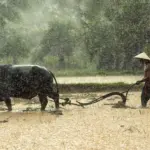
In the quest for sustainable rice production, the integration of local knowledge with modern practices emerges as a pivotal strategy that can enhance resilience against climate change. Traditional agricultural methods, honed over generations, often embody an acute understanding of local ecosystems, soil health, and weather patterns. This deep-rooted expertise can provide invaluable insights that modern science alone may overlook. For instance, indigenous practices such as crop rotation, intercropping, and the use of organic fertilizers are not only environmentally friendly but can also improve soil fertility and reduce dependency on chemical inputs. Recognizing and respecting these traditional approaches can lead to innovative hybrid solutions that maximize productivity while minimizing ecological footprints.
However, the challenge lies in navigating the potential trade-offs between these age-old practices and the demands of modern agricultural efficiency. While local knowledge offers a wealth of sustainable techniques, its implementation can be hindered by the allure of high-yield, short-term solutions promoted by industrial agriculture. Farmers may face pressure to adopt these methods for immediate economic gains, often at the expense of long-term sustainability. To bridge this gap, stakeholders must foster collaborative platforms where local farmers can share their insights with scientists and policymakers. This can be facilitated through initiatives such as:
- Community workshops that showcase successful local practices
- Research partnerships that validate traditional methods through scientific inquiry
- Incentive programs that reward sustainable practices over purely yield-driven approaches
By valuing and integrating local knowledge within the broader framework of modern agricultural practices, we can cultivate a more resilient, sustainable future for rice production that honors both heritage and innovation.
Navigating the Trade-offs: Balancing Efficiency and Ecosystem Health in the Future of Rice Processing
In the future of rice processing, striking a balance between efficiency and ecosystem health will require a deliberate navigation of trade-offs that often present conflicting priorities. Efficiency-driven approaches—such as the adoption of high-capacity processing technologies—can significantly reduce operational costs and increase productivity. However, these methods frequently lead to increased energy consumption and waste generation, undermining environmental goals. To mitigate these impacts, stakeholders must prioritize integrated processing systems that leverage renewable energy sources and minimize resource inputs. For instance, implementing biogas recovery systems can transform waste into energy, creating a circular economy model within rice processing facilities.
Moreover, acknowledging the complexity of agricultural ecosystems is crucial in developing sustainable practices. While mechanization and industrial scaling can streamline production, they may inadvertently disrupt local biodiversity and soil health. To navigate these challenges, rice processors should invest in adaptive management strategies that consider ecological variables. This could involve adopting a multi-tiered approach to processing that incorporates traditional methods alongside modern technologies, thus enhancing resilience and sustainability. For example, utilizing wet milling alongside conventional milling can preserve more nutrients and reduce water usage. By fostering collaboration between technologists and local farmers, the industry can cultivate solutions that respect both economic viability and ecological integrity, ultimately redefining success in rice processing beyond mere output metrics.
To Conclude
As we look to the future of rice production, it is clear that embracing sustainability is not just a choice, but a necessity in the face of climate challenges. The journey toward revolutionizing rice processing will require a multifaceted approach, blending innovative technologies with the invaluable wisdom of local practices. By prioritizing genuine transformations over superficial fixes, we can create a resilient agricultural system that protects both our ecosystems and food security. The path forward may be fraught with trade-offs, but with careful consideration and collaboration, it is possible to cultivate a sustainable future for rice that nourishes both people and the planet.