In the ever-evolving landscape of agricultural processing, maize milling stands as a critical bridge between raw grain and the myriad products that sustain our food systems. As global demand for maize continues to rise, the quest for precision and performance in milling has never been more vital. This article delves into the intricate interplay of technical specifications, process variables, and yield optimization strategies that define modern maize milling. By examining advanced material selection and its influence on efficiency and output quality, we uncover the foundations upon which successful milling operations are built. Furthermore, we explore dynamic process variables that govern yield and product consistency, shedding light on the fine-tuning required to achieve optimal results. Finally, we conduct a comparative analysis of milling equipment, revealing the performance trade-offs and technological innovations that shape the future of maize processing. Join us as we navigate the complexities of this essential industry, striving for excellence in every kernel milled.
Advanced Material Selection and Its Impact on Milling Efficiency and Output Quality
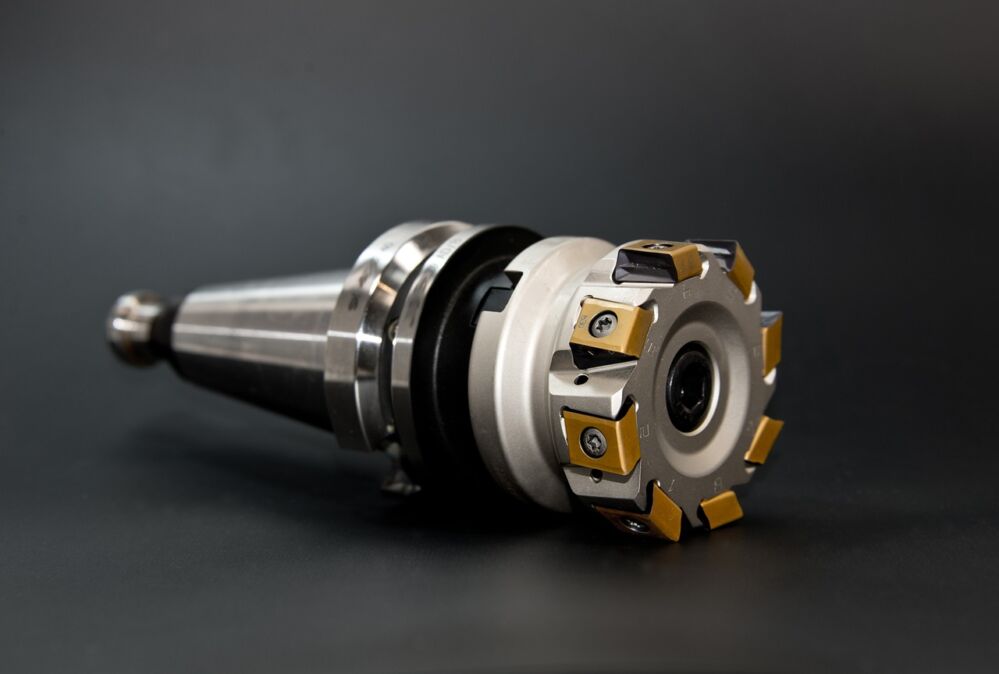
The selection of materials in maize milling equipment plays a pivotal role in determining both milling efficiency and output quality. Materials used in the construction of milling components, such as blades and grinding surfaces, must exhibit high wear resistance and durability to withstand the abrasive nature of maize kernels. For instance, hardened steel or tungsten carbide is commonly employed for their strength and longevity, which minimizes downtime due to wear. Additionally, the surface finish of these materials can significantly influence the friction and milling efficiency. A smoother surface can reduce energy consumption during milling while enhancing the quality of the final product by preventing excessive heat generation that can lead to denaturation of the maize’s nutritional content.
Moreover, the choice of materials extends to the design of the milling chamber and the type of grinding mechanism employed. For example, a hammer mill with a robust steel housing is typically more effective for achieving fine particle sizes compared to a traditional stone mill. Evaluating materials involves understanding their thermal properties and how they react under operational stresses. The following criteria should be considered when assessing material selection:
- Durability: Resistance to wear and tear.
- Thermal Conductivity: Ability to dissipate heat to prevent product degradation.
- Corrosion Resistance: Ensuring longevity in humid environments.
- Surface Finish: Impact on friction and energy efficiency.
Comparative analysis of different material types reveals that while cost-effective options may be available, investing in higher-quality materials can lead to significant long-term savings through enhanced performance and reduced maintenance needs. Limitations such as cost implications and availability must also be factored in, alongside the specific milling requirements dictated by the desired end product, whether it be coarse meal or fine flour. Understanding these material dynamics allows for a strategic approach to optimizing milling processes, ultimately contributing to superior product quality and operational efficiency.
Dynamic Process Variables in Maize Milling: Evaluating Their Role in Yield and Product Consistency
Dynamic process variables in maize milling are crucial for maximizing yield and ensuring product consistency. Key variables include moisture content, temperature, grinding speed, and screen size. Each of these factors interacts in complex ways that can significantly influence the final product. For instance, maintaining an optimal moisture content (typically around 14-16%) is essential since both high and low moisture levels can lead to increased breakage or poor flour quality. Similarly, the temperature during milling can affect the starch gelatinization process, which influences the flour’s functional properties.
Performance criteria for these variables can be assessed through rigorous testing and monitoring, establishing benchmarks such as grinding efficiency and extraction rates. A common approach is to utilize a multivariate analysis to understand how these variables collectively impact output. For example, increasing grinding speed may enhance throughput but can lead to greater heat generation, negatively affecting the flour's nutritional quality. The limitations of each variable must also be considered; for instance, while finer screen sizes can improve flour yield, they may also increase energy consumption and wear on milling equipment. Therefore, a balanced approach, guided by empirical data and specific processing goals, is essential for optimizing maize milling operations.
Comparative Analysis of Milling Equipment: Performance Trade-offs and Technological Innovations in Maize Processing
In the comparative analysis of milling equipment for maize processing, several performance trade-offs must be considered, particularly regarding efficiency, output quality, and operational costs. Hammer mills and roller mills are the two dominant types, each offering unique advantages and limitations. Hammer mills provide high-speed grinding, which is beneficial for achieving fine particle sizes but can generate excessive heat, potentially degrading the quality of the maize. In contrast, roller mills allow for more controlled grinding processes, resulting in more uniform particle size distribution and reduced heat generation. However, they often require more intricate adjustments and potentially higher capital investment. Key specifications to evaluate include:
- Capacity (tonnes per hour)
- Energy consumption (kWh per tonne)
- Particle size range (microns)
- Maintenance requirements (frequency, costs)
A comparative table can help visualize these differences:
| Equipment Type | Capacity (TPH) | Energy Consumption (kWh/tonne) | Maintenance Frequency |
|---|---|---|---|
| Hammer Mill | 5-20 | 10-15 | Monthly |
| Roller Mill | 2-15 | 8-12 | Bi-monthly |
Technological innovations such as automated control systems and precision monitoring tools are transforming the landscape, enabling operators to optimize milling parameters dynamically based on real-time data. These advancements facilitate better management of process variables like feed rate, moisture levels, and grinding pressure, leading to improved yield and product consistency. However, the complexity of these systems can impose a steeper learning curve for operators and may lead to increased downtime if not properly maintained. As such, producers must weigh the benefits of incorporating advanced technologies against their operational capabilities and existing equipment infrastructure to ensure a return on investment.
In Retrospect
As we conclude our exploration of precision and performance in maize milling, it's clear that the intersection of advanced material selection, dynamic process variables, and innovative equipment holds the key to optimizing yields and enhancing product quality. Understanding these elements not only empowers millers to improve their operations but also strengthens the entire agricultural supply chain. By embracing these insights, stakeholders can navigate the complexities of maize processing more effectively, ensuring that the products derived from this staple grain continue to meet the demands of a growing global population. The journey of maize from field to final product is intricate, yet with the right strategies in place, the potential for success is boundless.