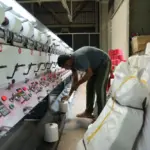
In a world where food security is increasingly precarious, the spotlight often shines on high-profile agricultural innovations and sustainable practices. Yet, nestled within this complex landscape lies an overlooked yet formidable player: parboiled rice processing plants. These facilities, often operating under the radar, wield a hidden power that could significantly influence our future food systems. As we delve into the multifaceted dynamics of parboiled rice production, we will uncover not only its potential to enhance food security but also the intricate challenges it poses. From environmental implications to nutritional concerns, the journey through this seemingly simple grain reveals a paradox of efficiency and compromise. As global demands for food continue to rise, understanding the strategic role of these processing plants becomes paramount in reimagining how we allocate resources and address local needs. Join us as we explore the unseen risks and rewards of this vital component in the quest for sustainable food solutions.

Unveiling the Unseen Risks: The Environmental Toll of Parboiled Rice Processing Plants
The environmental implications of parboiled rice processing plants are often overshadowed by their economic potential and efficiency metrics. However, a closer inspection reveals a complex interplay of benefits and drawbacks that must be navigated with care. The processing of rice, while enhancing its nutritional profile and shelf life, can lead to significant ecological footprints, particularly in water usage and waste management. Key risks associated with parboiling include:
- High Water Consumption: The parboiling process requires substantial amounts of water, which can exacerbate local water scarcity issues, particularly in regions already grappling with drought.
- Chemical Usage: The application of chemicals for pest control and preservation during the parboiling process may lead to soil and water contamination, posing risks to both local ecosystems and human health.
- Waste Generation: The by-products of rice processing, if not managed properly, can contribute to soil degradation and increased greenhouse gas emissions.
To mitigate these risks, it is crucial to adopt a nuanced approach that balances productivity with environmental stewardship. This entails investing in advanced waste treatment technologies and water recycling systems, alongside establishing clear guidelines for chemical use. Additionally, fostering partnerships with local communities can ensure that processing plants adhere to sustainable practices while also addressing socio-economic needs. In this regard, an integrated environmental management system that incorporates stakeholder feedback can serve as a pivotal tool for fostering sustainability in parboiled rice production.

The Parboiled Rice Paradox: When Efficiency Meets Nutritional Compromise
The processing method of parboiled rice presents a fascinating dilemma: it enhances efficiency and shelf-life, yet raises critical questions about nutritional integrity. While parboiling increases the availability of certain nutrients, such as B vitamins and minerals, it also leads to the leaching of water-soluble nutrients, particularly in the initial stages of processing. This trade-off has been largely overlooked in favor of the immediate benefits of extended storage and reduced spoilage. As consumers become more health-conscious, the question arises whether the nutritional compromises are worth the gains in efficiency. Understanding these nuances is essential for stakeholders who must balance the immediate economic benefits of parboiled rice with the long-term health implications for communities that rely heavily on this staple.
To navigate the paradox of parboiled rice, it is essential to consider strategic recommendations aimed at optimizing both efficiency and nutrition. One approach is to invest in advanced processing technologies that minimize nutrient loss while maintaining the efficiency of parboiled rice production. Additionally, enhancing public awareness about the nutritional trade-offs can empower consumers to make informed choices. A collaborative effort among producers, nutritionists, and policymakers could lead to the development of fortified parboiled rice options that retain the advantages of the processing method while compensating for potential deficiencies. Ultimately, recognizing the delicate balance between efficiency and nutritional quality will be crucial for fostering food security that does not compromise health.
Reimagining Resource Allocation: Could Parboiled Rice Plants Divert Attention from More Urgent Food Solutions?
The allure of parboiled rice processing plants as a solution to food security can easily overshadow more pressing agricultural challenges. While these facilities promise increased efficiency and lower post-harvest losses, they risk diverting resources and attention from innovations that address root causes of food insecurity. Consider the following trade-offs:
- Immediate Nutritional Needs: The focus on parboiled rice could lead to a one-dimensional approach to food security that overlooks the necessity for diverse diets.
- Sustainable Practices: Investment in parboiled rice facilities may siphon funds from regenerative agriculture initiatives that bolster soil health and climate resilience.
- Local Food Systems: Prioritizing parboiled rice could stifle local agricultural practices that are better suited to meet community-specific needs and promote food sovereignty.
To navigate these complexities, stakeholders must critically assess whether the economic benefits of parboiled rice processing justify the potential neglect of diverse food solutions. A balanced approach might involve establishing partnerships between parboiled rice facilities and local farmers, fostering a dual focus on both the efficiency of grain processing and the cultivation of diverse crops that align with dietary and ecological needs. This strategic allocation of resources could enhance overall food security while preserving the integrity of local food systems.
Strategic Insights: Balancing Local Needs Against Global Demands in Parboiled Rice Production
Navigating the balance between local needs and global demands in parboiled rice production is a multifaceted challenge that requires astute decision-making and strategic foresight. Local farmers and communities may prioritize traditional practices that enhance cultural identity and sustain local ecosystems, but the growing global appetite for parboiled rice often pushes for standardized, high-yield production methods that may overlook these nuances. Key distinctions must be made between merely meeting market demands and fostering sustainable agricultural practices that cater to the unique needs of local populations.
To effectively address this balance, stakeholders should consider a dual approach that emphasizes local empowerment while leveraging global market opportunities. For instance, integrating local varieties of rice into parboiling processes can enhance nutritional profiles and preserve cultural heritage, while also meeting the quality standards sought by international markets. Additionally, investment in community-based initiatives that educate farmers about sustainable practices can boost local resilience against global market fluctuations. A strategic framework could include:
- Local Engagement: Involve farmers in decision-making processes to ensure practices meet their needs.
- Sustainable Practices: Encourage eco-friendly techniques that minimize environmental impact.
- Market Adaptation: Create flexible production systems that can adjust to both local preferences and global demand shifts.
By fostering a collaborative environment that respects local contexts while strategically positioning for global competitiveness, parboiled rice production can evolve into a truly sustainable and resilient sector.
To Wrap It Up
As we delve deeper into the complexities of food security, it becomes clear that parboiled rice processing plants hold a dual-edged sword of potential. While they promise enhanced efficiency and extended shelf-life, they also invite a scrutiny of their environmental impact and nutritional implications. The challenge lies not only in harnessing their benefits but also in ensuring that they do not distract from more critical agricultural innovations. As we look to the future, a balanced approach that considers local needs alongside global demands will be essential. Ultimately, the role of parboiled rice processing plants in our food systems may well define the contours of food security in the years to come, calling for thoughtful engagement and strategic planning.