
In the heart of rice production, the milling process is pivotal in transforming paddy into the gleaming grains that grace our tables. However, choosing the right rice milling machine can feel daunting, given the myriad of options available. Each mill boasts unique features, capabilities, and technologies that cater to different processing needs. As the demand for high-quality rice continues to grow, so does the necessity for efficient and reliable milling solutions. This article serves as your comprehensive guide to navigating the landscape of complete rice milling machines. By understanding key features, avoiding common pitfalls, and exploring essential upgrades, you'll be well-equipped to make an informed decision that aligns with your specific processing requirements and enhances your overall workflow.
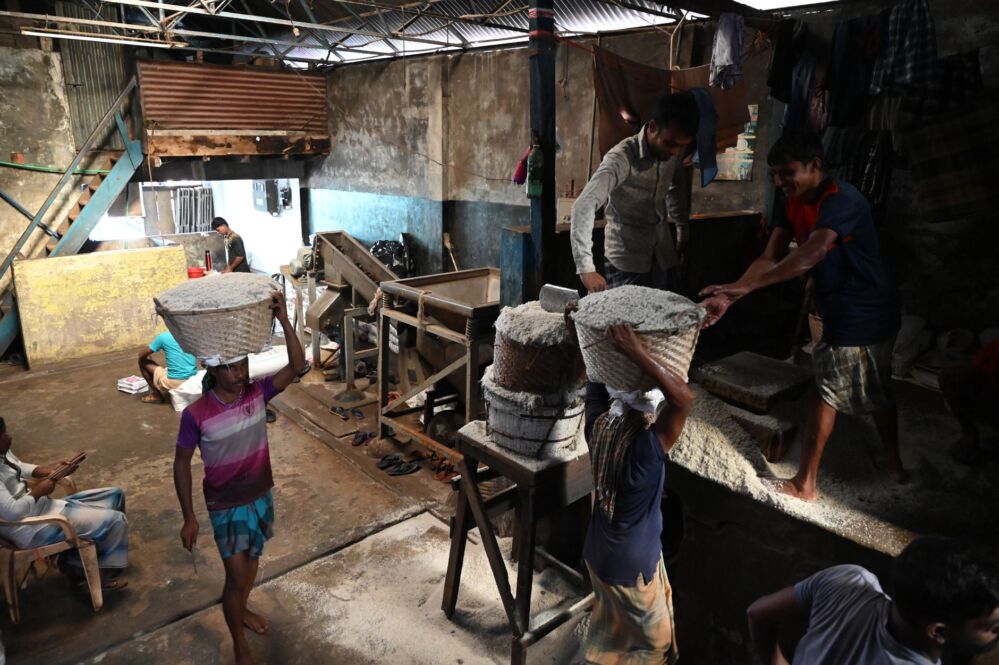
Unlocking Quality: Key Features to Look for When Buying a Complete Rice Milling Machine
When selecting a complete rice milling machine, it's crucial to focus on key features that directly impact efficiency and quality. Start by assessing the capacity of the machine relative to your processing needs. A unit with a higher capacity, such as 1 ton per hour, can significantly reduce processing time, but ensure it matches your daily input. Additionally, check for multi-functionality; a machine that combines hulling, milling, and polishing can streamline your operation. Don't overlook the power consumption; machines that are energy-efficient can save costs in the long run. Look for features like automatic grain separation, which can reduce waste and improve output quality. Always request a demonstration to verify the machine's performance under real-world conditions.
Lastly, consider the durability and maintenance requirements of the machine. Quality materials, such as stainless steel components, often lead to a longer lifespan and reduced downtime. Investigate the availability of spare parts and the manufacturer's support services; a machine may be high-quality, but if parts are hard to come by, it can lead to extended periods of inactivity. To make a smarter choice, create a checklist of essential features based on your specific needs, such as:
- Processing Capacity: Match it with your production volume.
- Energy Consumption: Evaluate efficiency ratings.
- Maintenance Ease: Look for user-friendly designs.
- Technical Support: Research the manufacturer's reputation for service.
By prioritizing these factors, you can ensure your investment in a rice milling machine will yield long-term benefits and operational success.
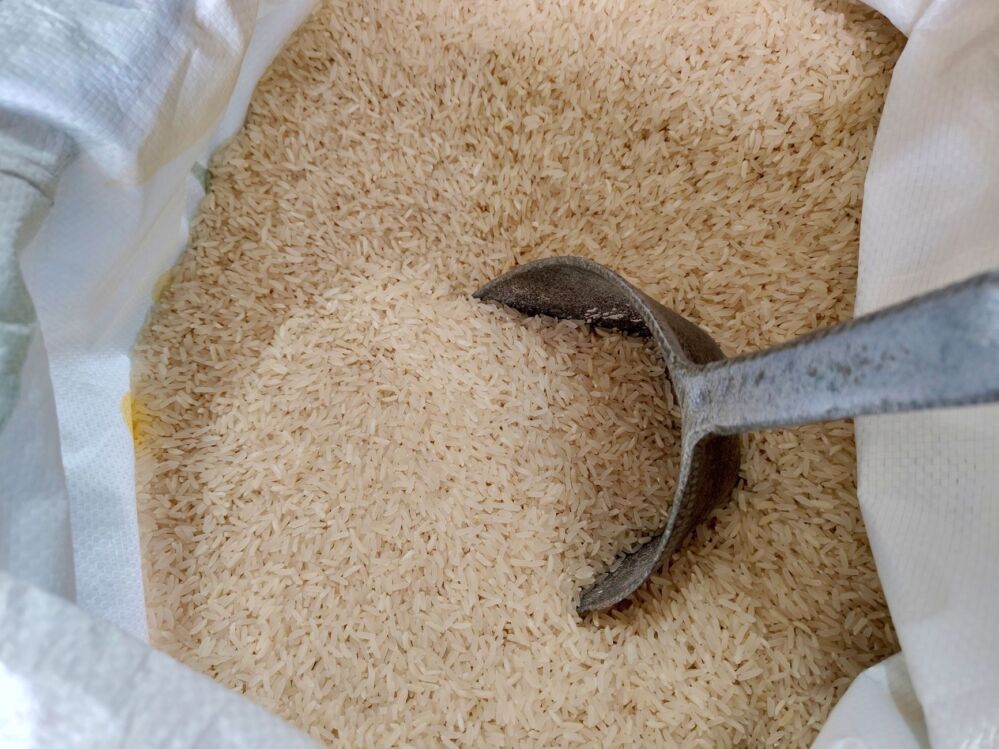
Avoid These Common Pitfalls: A Practical Checklist for Selecting Your Complete Rice Milling Machine
Selecting the right complete rice milling machine involves careful consideration to avoid common pitfalls that can impact your production efficiency and product quality. Here’s a practical checklist to guide you:
- Check the compatibility of the machine with your rice variety: Different rice types may require specific milling techniques. For instance, aromatic rice like Basmati requires gentler milling than regular long-grain rice.
- Assess energy consumption: Machines with high energy efficiency ratings may have higher upfront costs but can lead to significant savings in the long run. Compare energy consumption data from different models to gauge potential operational costs.
- Inspect the manufacturer's support: After-sales service and availability of spare parts can greatly affect your downtime. Choose brands that offer robust customer support and easy access to replacement components.
- Evaluate machine scalability: If you anticipate growth, select a model that can be easily upgraded or expanded. Systems designed for modular upgrades allow you to enhance capacity without replacing the entire machine.
To make smarter choices, consider these real-world factors:
| Factor | What Usually Goes Wrong | What Works Better |
|---|---|---|
| Quality of Materials | Using low-quality components can lead to breakdowns and costly repairs. | Opt for machines made of durable, high-quality materials. |
| User Training | Insufficient training can lead to operational errors and inefficiencies. | Ensure the manufacturer provides comprehensive training programs. |
| Maintenance Requirements | Overlooking maintenance schedules can cause performance issues. | Choose machines with clear, manageable maintenance guidelines. |
By keeping these considerations in mind, you can avoid common mistakes and select a rice milling machine that aligns with your operational goals and enhances your processing capabilities.
Boosting Your Workflow: Essential Upgrades for Your Complete Rice Milling Machine Setup
Upgrading your rice milling machine setup can significantly enhance efficiency and output. Start by investing in a high-quality de-stoner to ensure that impurities are removed before milling. These machines can prevent damage to your milling equipment and improve the quality of the final product. Choose one with adjustable air flow and multiple screening options, as this allows for customization based on the type of rice you are processing. Additionally, consider integrating a color sorter. This upgrade can help in quickly identifying and removing discolored or defective grains, enhancing overall product quality.
Another vital upgrade is to implement an automated control system. These systems can optimize the milling process by adjusting parameters in real-time, reducing human error and increasing consistency in output. Check if your current setup allows for such integration. Regular maintenance is often overlooked but is crucial for sustained performance. Create a maintenance schedule that includes daily, weekly, and monthly checks. For instance, daily cleaning of the milling chamber and checking for wear on the rollers can prolong the lifespan of your equipment. Remember, investing in superior components and regular upkeep will yield better results than relying solely on the initial purchase.
Insights and Conclusions
As you embark on the journey of selecting the perfect rice milling machine, remember that the right choice is not merely about functionality but about aligning the machine’s capabilities with your unique processing requirements. By focusing on essential features, avoiding common pitfalls, and considering upgrades that enhance workflow, you can make an informed decision that not only boosts efficiency but also ensures the quality of your final product. With careful consideration and a strategic approach, you’ll be well-equipped to navigate the diverse options available and invest in a solution that meets your needs for years to come. Happy milling!