
Investing in a 2 ton rice mill plant represents a significant opportunity in the agricultural sector, tapping into the ever-growing demand for rice as a staple food across the globe. However, the journey from concept to operation is fraught with complexities that require careful navigation. Understanding the strategic factors that influence profitability is crucial for aspiring investors. This article delves into the essential considerations that can shape the success of your rice milling venture, highlighting common pitfalls to avoid and key performance indicators that can guide your operational decisions. With the right insights, your investment can transform into a sustainable and profitable business, making a meaningful impact on local economies and food security.
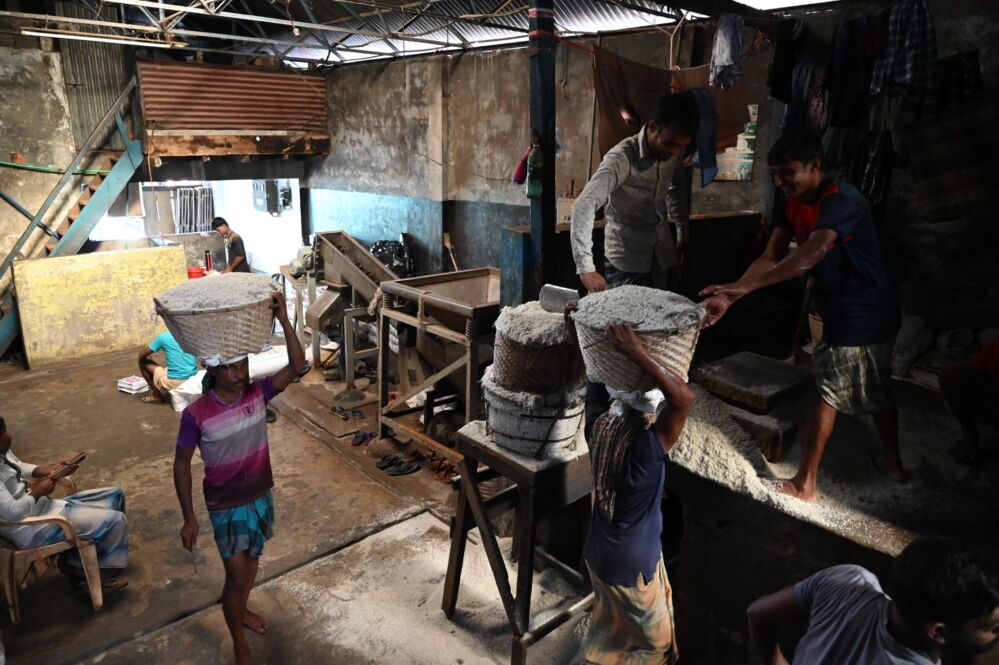
Strategic Factors to Evaluate Before Committing to a 2 Ton Rice Mill Plant Investment
Before committing to a 2 ton rice mill plant investment, it’s crucial to conduct a thorough market analysis to understand local demand, pricing trends, and competition. Assess the following strategic factors:
- Target Market: Identify your primary customers—will you serve local households, wholesalers, or export markets? This will influence your milling capacity and product offerings.
- Cost Structure: Analyze fixed and variable costs associated with the operation, including labor, utilities, maintenance, and raw material procurement. Create a detailed budget to ensure you can sustain operations without running into cash flow issues.
- Supply Chain Logistics: Evaluate the reliability of suppliers for paddy rice and the efficiency of transportation options for both incoming materials and outgoing products. A well-structured supply chain can minimize delays and reduce costs.
Common pitfalls include underestimating the cost of machinery maintenance or failing to secure a consistent supply of quality paddy rice. To make smarter choices, consider visiting existing rice mills to gather operational insights and understand which practices yield the best results. Additionally, investing in training for your workforce can improve efficiency and reduce errors in the milling process. A preliminary SWOT analysis can also be beneficial in identifying your plant’s strengths, weaknesses, opportunities, and threats. Here’s a simple table to guide your analysis:
| Factor | Description |
|---|---|
| Strengths | Unique selling points, e.g., organic certification |
| Weaknesses | Initial capital constraints, skill gaps |
| Opportunities | Growing market for organic rice |
| Threats | Seasonal price fluctuations in rice supply |
By meticulously evaluating these factors, you can position your rice mill for long-term success and profitability.

Navigating Common Pitfalls: Essential Insights for a Successful Rice Milling Venture
One of the most common pitfalls in establishing a rice milling venture is underestimating the importance of selecting the right equipment and technology. Invest in quality machinery that suits your specific production needs, as poor-quality equipment can lead to increased downtime and maintenance costs. For example, opting for a cheaper milling machine may save initial costs but could result in lower milling yields and higher broken rice percentages. It's advisable to evaluate suppliers based on their service support and warranty terms. Create a comparison table of potential suppliers focusing on aspects such as price, capacity, energy efficiency, and customer reviews.
Another critical area to consider is the supply chain for raw materials. Establishing strong relationships with local rice farmers can ensure a reliable and quality supply of paddy rice. Conduct regular quality checks on the incoming rice to avoid processing subpar materials, which can affect the final product's quality. Also, consider fluctuating market prices and plan for seasonal variations by negotiating fixed prices or contracts with farmers. Engage in risk management strategies, such as diversifying your source of raw materials, to mitigate the impact of crop failures or market volatility. This proactive approach not only safeguards your investment but also positions your business for sustainable growth.
Key Performance Indicators to Monitor for Sustainable Growth in Rice Milling Operations
Monitoring key performance indicators (KPIs) is essential for ensuring sustainable growth in rice milling operations. Focus on metrics such as milling yield, which measures the percentage of whole grains produced from paddy rice; a typical yield should be around 68% to 72%. Regularly assess operational efficiency, looking at machine utilization rates and downtime, aiming for at least 85% machine uptime. Additionally, track quality control metrics like broken rice percentage, which ideally should not exceed 5%. To make smarter choices, implement a system for real-time data collection and analysis, allowing for immediate adjustments to processes. For instance, if milling yield drops below expected levels, investigate potential equipment malfunctions or variations in paddy quality.
Another crucial KPI is cost per ton, which encompasses all expenses related to production, including labor, utilities, and maintenance. Keeping this metric in check can help identify areas for cost reduction, such as optimizing energy use or renegotiating supplier contracts. Additionally, monitor customer satisfaction scores, which can provide insights into the market's perception of product quality. To ensure long-term viability, consider establishing a feedback loop with customers, incorporating their insights into product development and operational adjustments. Regularly benchmark your KPIs against industry standards or competitors to identify gaps and opportunities for improvement, ensuring your rice mill plant remains competitive and profitable in a dynamic marketplace.
Closing Remarks
In conclusion, investing in a 2 ton rice mill plant can be a lucrative venture when approached with careful planning and informed decision-making. By understanding market dynamics, avoiding common pitfalls, and consistently monitoring key performance indicators, potential investors can position themselves for success in this vital agricultural niche. As the global demand for rice continues to rise, seizing this opportunity with the right strategies in place will not only yield profitable returns but also contribute to food security and economic growth in local communities. Embrace the journey of establishing your rice milling operation, equipped with the knowledge and insights necessary to thrive in this competitive landscape.