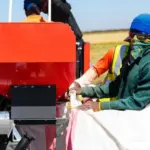
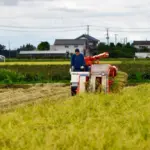
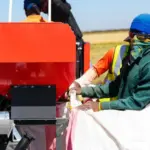
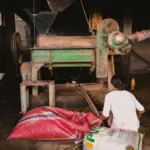
In the heart of agriculture, where nature’s bounty meets human ingenuity, lies a complex world often overlooked by the casual observer: the rice processing plant. These facilities, bustling with activity, are the unsung heroes of the food production chain, transforming humble grains into the cornerstone of diets across the globe. From paddy to polished rice, the journey involves a labyrinth of intricate processes, each with its own precision and purpose. As we delve into the intricacies of rice processing, we will explore not only the technology and techniques employed within these plants but also the stories of those who dedicate their lives to ensuring that every grain is perfected. Join us on this exploration of transformation, where tradition and modernity converge to nourish the world.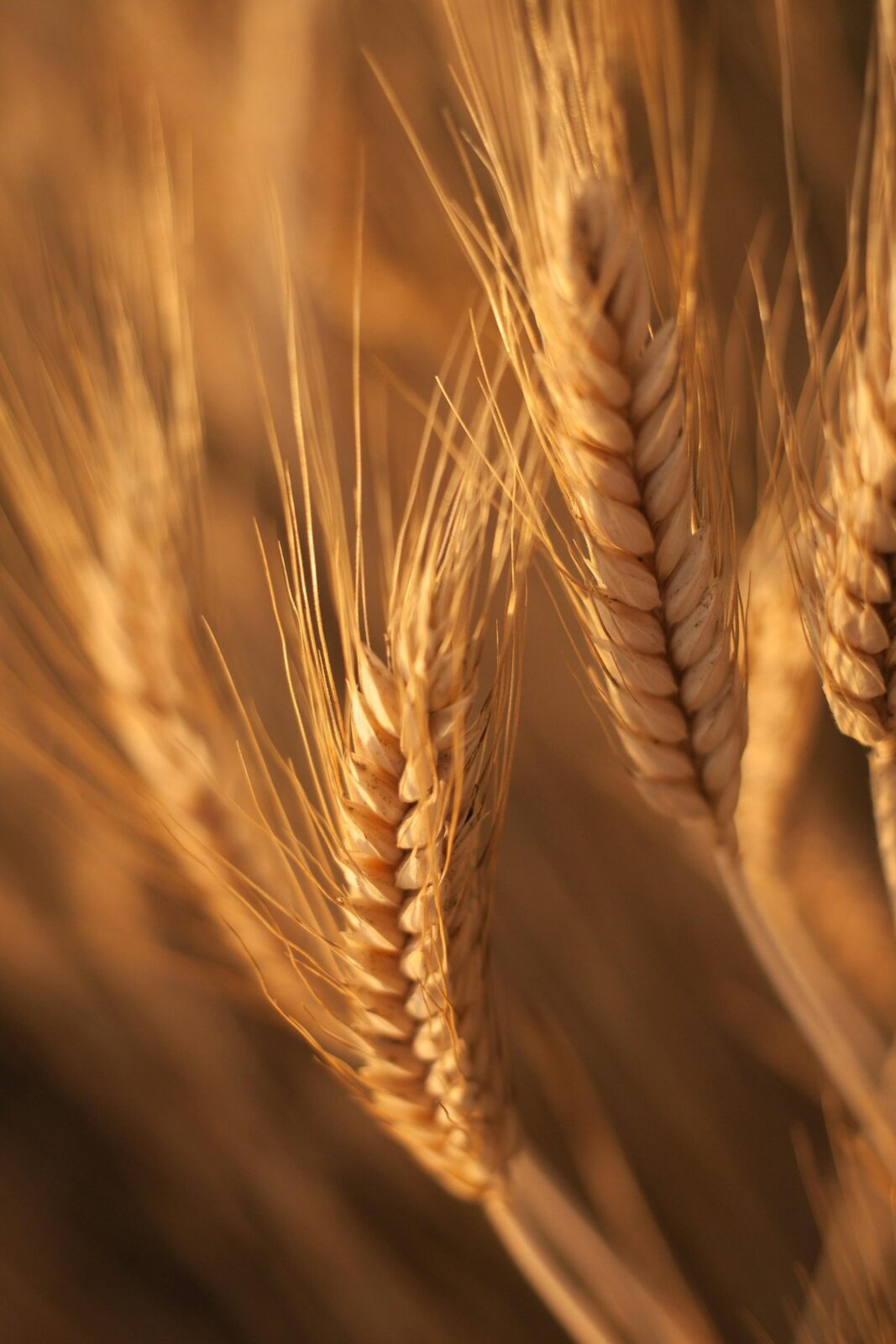
Understanding the Grain Journey from Field to Fork
The journey of grains, notably rice, begins long before they reach our plates. From the moment seeds are sown in nutrient-rich fields,each stage of their lifecycle is crucial. After harvesting, the grains are subjected to a meticulous processing regimen that transforms them into the edible staple we all recognize. In the rice processing plants, you’ll discover a variety of steps that include drying, milling, and packaging, each designed to enhance the quality, nutritional value, and shelf-life of the rice. These stages not only preserve the fundamental essence of the grain but also ensure that it meets the stringent quality standards demanded by consumers.
At the heart of rice processing are specialized machines and technology that facilitate precision and efficiency. The process often involves:
- Pre-cleaning: Removal of impurities such as husks and stones.
- Milling: Grinding the rice to achieve the desired texture and polish.
- Grading: Sorting grains based on size and quality.
- Packaging: Sealing in freshness and protecting from contamination.
To give a clearer picture, here’s a snapshot of the typical processing times involved at each stage:
| Processing Stage | Average Duration |
|---|---|
| Pre-cleaning | 1-2 hours |
| Milling | 2-3 hours |
| Grading | 1-2 hours |
| Packaging | 1 hour |
This intricate procedure not only illustrates the commitment to quality but also highlights the balance between tradition and innovation in the rice industry. Understanding these processes allows consumers to appreciate the journey of grains from field to fork, recognizing the effort that goes into every grain served on their plate.

Innovative technologies Revolutionizing rice Processing
The landscape of rice processing is undergoing a profound transformation, driven by cutting-edge technologies that enhance efficiency and quality. At the heart of these innovations is automation, which streamlines operations from milling to packing. By integrating smart sensors and AI-driven algorithms, processors can optimize every stage of the production line. This not only reduces waste but also increases the precision of grain sorting, ensuring that only the highest quality rice reaches consumers. Innovations in robotic technology have allowed for a more consistent and faster handling process, drastically cutting down on human error and improving overall productivity.
Another critical aspect of modern rice processing is the advent of sustainability-focused technologies. This includes energy-efficient machinery and advanced waste management systems that minimize the environmental footprint. Employing biodegradable packaging and water recycling methods are now staples in leading processing plants. Moreover,the integration of data analytics allows manufacturers to monitor resource usage in real time,enabling them to make informed decisions that can lead to reduced operational costs and enhanced sustainability. In addition, the advancement of biotechnology applications in rice processing promises to improve not just nutritional content but also resistance to pests and diseases, ensuring food security for future generations.
Quality Control Measures for Enhanced Rice Production
Ensuring the highest quality of rice at every stage of production is essential for achieving exceptional standards in the marketplace. Implementing robust quality control measures begins right from the paddy field and spans through the entire processing line. Regular inspections are vital; they can identify potential issues in paddy selection before the milling process even starts.Quality control teams often utilize a combination of visual checks and technology-driven assessments, including moisture level evaluations and pH analysis, to enhance the end product’s safety and quality.
In the processing plants, refined grading systems are employed to sort rice based on quality, size, and moisture content. These systems not only streamline operations but also ensure that only the best grains make their way to the consumer. Data-driven approaches are incorporated throughout processing steps such as polishing and packaging. By maintaining precise data records, teams can monitor consistency in quality and implement corrective actions proactively. For instance, using real-time analytics tools can significantly reduce the rate of defects, ensuring that every bag of rice meets stringent market standards.
| Quality Control Measure | Description |
|---|---|
| Visual Inspection | manual checks for defects in rice grains. |
| Moisture Measurement | Using moisture meters to ensure optimal storage conditions. |
| Grading Systems | Automated sorting of rice based on size and quality. |
| Data Analysis | Real-time tracking and adjustments during processing. |
Sustainability Practices in Modern Rice Processing plants
In the quest for sustainability, modern rice processing plants have adopted a myriad of innovative practices that minimize environmental impact while maximizing efficiency. These facilities are increasingly turning to renewable energy sources such as solar and wind, integrating photovoltaic panels into the plant design and utilizing wind turbines to power operations. This shift not only reduces reliance on fossil fuels but also cuts operational costs over time. Additionally, many plants are employing energy-efficient machinery designed to consume less power, alongside process optimization techniques that streamline production workflows and decrease waste.
Water conservation is another key element, with advanced irrigation systems and water recycling technologies being implemented to dramatically lower water usage. Facilities often harvest rainwater and treat effluent for reuse in their operations, thus promoting a circular economy approach. Furthermore, rice husks and bran, which are typically considered by-products, are now being transformed into valuable resources, utilized in the production of biofuels, animal feed, and organic fertilizers.This not only reduces waste but also contributes to sustainable agricultural practices in the broader community.
| Practice | Description |
|---|---|
| Renewable Energy | Utilizing solar panels and wind turbines to power operations. |
| Energy Efficiency | Incorporating energy-saving machinery and optimized workflows. |
| Water Conservation | Implementing rainwater harvesting and recycling systems. |
| Resource Utilization | Transforming by-products into biofuels and organic fertilizers. |
the Way Forward
As we conclude our exploration of rice processing plants, it becomes evident that behind the simplicity of a bowl of rice lies a complex tapestry of technology, tradition, and innovation. From the moment the grains are harvested to their journey through an intricate network of machinery, each step in the processing chain reveals the meticulous care and precision that ensures quality and sustainability.
In the dance between nature and industry, rice processing plants stand as vital hubs that transform raw grains into nutritious staples while preserving the cultural importance and flavors embedded in this age-old grain. As we look to the future, it is indeed essential to appreciate not only the culinary role of rice but also the environmental and economic impact of these facilities.
The story of rice processing is ongoing,weaving together the threads of agricultural advancement with a commitment to responsible practices. So, the next time you savor a dish of rice, remember the journey it has undertaken—the dedication of countless individuals and the intricate systems that bring it from field to table. Our understanding of this process encourages us to value our food and the world from which it comes, prompting a deeper appreciation of the grains that nourish us.