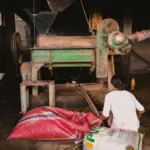
inside the Paddy Processing Factory: Efficiency Meets Tradition
In the heart of agricultural landscapes, where verdant fields of rice sway gently in the breeze, lies a world that marries the age-old traditions of farming with the cutting-edge innovations of modern industry. The paddy processing factory,frequently enough regarded as the linchpin of rice production,is where the journey from field to table begins to unfold in a symphony of motion and purpose. Here, the raw grains undergo a change—meticulously hulled, milled, and polished—before they reach our kitchens. But beneath this veil of efficiency lies a tapestry of cultural heritage, craftsmanship, and deep-rooted practices that have been honed over generations. In this exploration, we invite you to step inside a paddy processing factory, where the rhythm of machinery harmonizes with the whispers of tradition, creating a unique narrative that honors both the past and the future of rice production.

Exploring the Harmony of Tradition and Technology in Paddy Processing
In the heart of every paddy processing factory lies a rhythmic synchronization between age-old traditions and cutting-edge technologies. As the harvest is brought in, farmers imbue their practices with wisdom garnered over generations, ensuring that every grain is cultivated with care. This craftsmanship gracefully dovetails with modern machinery designed to enhance productivity and precision. The harmony between these two worlds is evident in the meticulous process that unfolds, where conventional techniques work hand-in-hand with innovations like automated milling systems to elevate the quality of the final product.
Throughout the facility, workers diligently oversee the processes that meld these influences. From the gentle pouring of rice husks into hulling machines to state-of-the-art color sorters that guarantee uniformity, each step showcases a fusion of heritage and modernity.Consider the following key aspects where tradition meets technology:
- Quality Control: Trained eyes alongside AI-powered sensors detect imperfections and ensure that only the finest grains are packaged.
- Energy Efficiency: traditional methods are frequently enough resource-intensive; tech-driven solutions have streamlined energy use and minimized waste.
- Traceability: With blockchain technology, traceability has become a breeze, linking every grain to its origin while honoring traditional farming stories.

Streamlining Operations: Techniques for Enhanced Efficiency
in the heart of the paddy processing factory, innovative techniques are implemented to maximize productivity while respecting the age-old traditions of rice processing. By integrating modern technology with traditional practices, the factory has found a sweet spot between heritage and efficiency. Key methods include:
- Automated Sorting Systems: utilizing high-resolution cameras and AI algorithms ensures that only the highest quality grains make it to the packaging stage.
- Streamlined Workflow Layouts: Optimizing the layout of equipment minimizes movement and reduces the time taken between stages of processing, promoting continuous flow.
- Data Analytics: Monitoring performance metrics in real-time helps identify bottlenecks, enabling swift adjustments to maintain a steady output.
Energy efficiency is not overlooked in the quest for optimization. The implementation of energy-efficient machinery significantly reduces power consumption while enhancing processing speeds.Moreover, a regular maintenance schedule ensures that machines operate at peak performance. The benefits of these improvements are clearly illustrated in the table below, which compares key performance indicators before and after the integration of these enhanced techniques:
| Indicator | Before Optimization | After Optimization |
|---|---|---|
| Output (tons/day) | 50 | 80 |
| Energy Consumption (kWh/day) | 300 | 200 |
| Processing Time (hours) | 10 | 6 |
Sustainability Practices: Balancing Productivity with Environmental Responsibility
As the machinery hums and the scent of freshly milled rice fills the air, the paddy processing factory seamlessly integrates advanced technology with traditional methods. In this setting, sustainability is not merely an afterthought but a core commitment that works hand-in-hand with productivity. The factory has adopted a range of eco-amiable practices to ensure that they minimize their carbon footprint while maximizing output. Key initiatives include:
- Waste Reduction: By implementing a zero-waste policy, the factory captures by-products and repurposes them, turning potential waste into valuable resources. This includes using rice husks for bioenergy.
- Water Conservation: State-of-the-art water management techniques, like reusing water within the facility, significantly cut down on consumption while ensuring quality standards are met.
- Renewable Energy Sources: solar panels and bioenergy installations power the facility, reducing reliance on fossil fuels and promoting renewable energy usage.
The balance between tradition and innovation is reflected in the careful selection of materials and methods that are both efficient and environmentally friendly. Regular training for employees ensures that every aspect of their role incorporates lasting techniques, enhancing both morale and operational efficiency. In addition, partnerships with local farmers foster a commitment to sustainable agriculture practices, ensuring that the supply chain remains circular and responsible. The openness in sourcing is showcased in the following table:
| Ingredient Source | Sustainability Practise |
|---|---|
| Local Rice Varieties | Organic Farming |
| Rice By-products | Reuse in Biofuel Production |
| Packaging Materials | Biodegradable Options |
Nurturing Skills: Training the Workforce for Future Innovations
In the heart of the paddy processing factory, a remarkable synergy between tradition and innovation unfolds. As the demand for efficient rice production grows, fostering new skills among the workforce becomes imperative. Workers are not merely operators of machines; they are trained artisans, blending age-old techniques with modern practices. This duality is achieved thru comprehensive training programs that emphasize the importance of both technical expertise and cultural heritage. By investing in continuous education, the factory ensures that employees can adapt to evolving technologies while respecting the time-honored processes that have sustained communities for generations.
To support this initiative, the factory has established a skill development framework that includes hands-on workshops, mentorship from seasoned professionals, and access to the latest industry research. Key components of this framework involve:
- Hands-on training: Employees learn by doing,mastering the intricacies of machinery and processing techniques.
- Regular Workshops: Monthly sessions focused on new technologies and efficiency practices keep the team ahead of the curve.
- Mentorship Programs: Pairing experienced workers with newcomers fosters knowledge transfer and builds camaraderie.
Moreover, the factory believes in assessing skill levels regularly to ensure that training continues to meet its objectives. A simple evaluation table tracks progress and identifies areas for improvement:
| Skill Area | Current Level | Target Level | Training Needed |
|---|---|---|---|
| machine Operation | Intermediate | advanced | Advanced Machinery Course |
| Quality Control | Basic | Intermediate | Quality Management Workshop |
| Lean Processing Techniques | None | Intermediate | Lean Training Seminar |
By ensuring that workers are well-equipped with the necessary skills, the paddy processing factory not only enhances productivity but also preserves the rich tapestry of its agricultural roots, paving the way for a sustainable future.
To Wrap It Up
As we close the doors to the paddy processing factory, we step away from a realm where tradition and innovation effortlessly intertwine.The rhythmic hum of machinery stands in contrast to the age-old practices that have shaped this industry for generations, creating a symphony of efficiency that honors both past and present. From the careful selection of grains to the meticulous quality checks that precede packaging, every step is a testament to the commitment of those who work tirelessly behind the scenes.
In a world that often prioritizes speed over substance, this factory embodies a holistic approach—where high-tech solutions complement the wisdom of time-honored methods. The end result is not only a product that meets the demands of a fast-evolving market but one that resonates with the cultural heritage of rice cultivation.
As we reflect on our journey through the factory, we’re reminded that at the heart of every grain processed lies a dedication to excellence, a respect for tradition, and a vision for a sustainable future. The story continues, and it is one worth telling, as each bag of rice carries not just nourishment, but also the legacy of those who make it possible. In this harmonious blend of efficiency and tradition, the paddy processing factory stands as a beacon of what is achievable when skill meets innovation.