In the heart of kitchens around the world, rice holds a revered place, serving as a staple that nourishes families and fuels culinary creativity. As home cooks and professional chefs alike seek the perfect grains to elevate their dishes, the importance of quality rice and the equipment used to process it cannot be overstated. Enter the realm of rice mills—machines engineered to transform raw paddy into the polished grains that grace our plates. As we step into 2024, the market is brimming with innovative options, each promising efficiency, durability, and superior rice quality. This complete guide delves into the top rice mills of the year, exploring their features, benefits, and what sets the best apart from the rest. Whether you’re considering a mill for personal use or aiming to upgrade your business operation, our detailed insights will empower you to make an informed choice that aligns with your needs and aspirations. Join us as we navigate the key players in the industry,illuminating the path towards the ideal rice milling experience.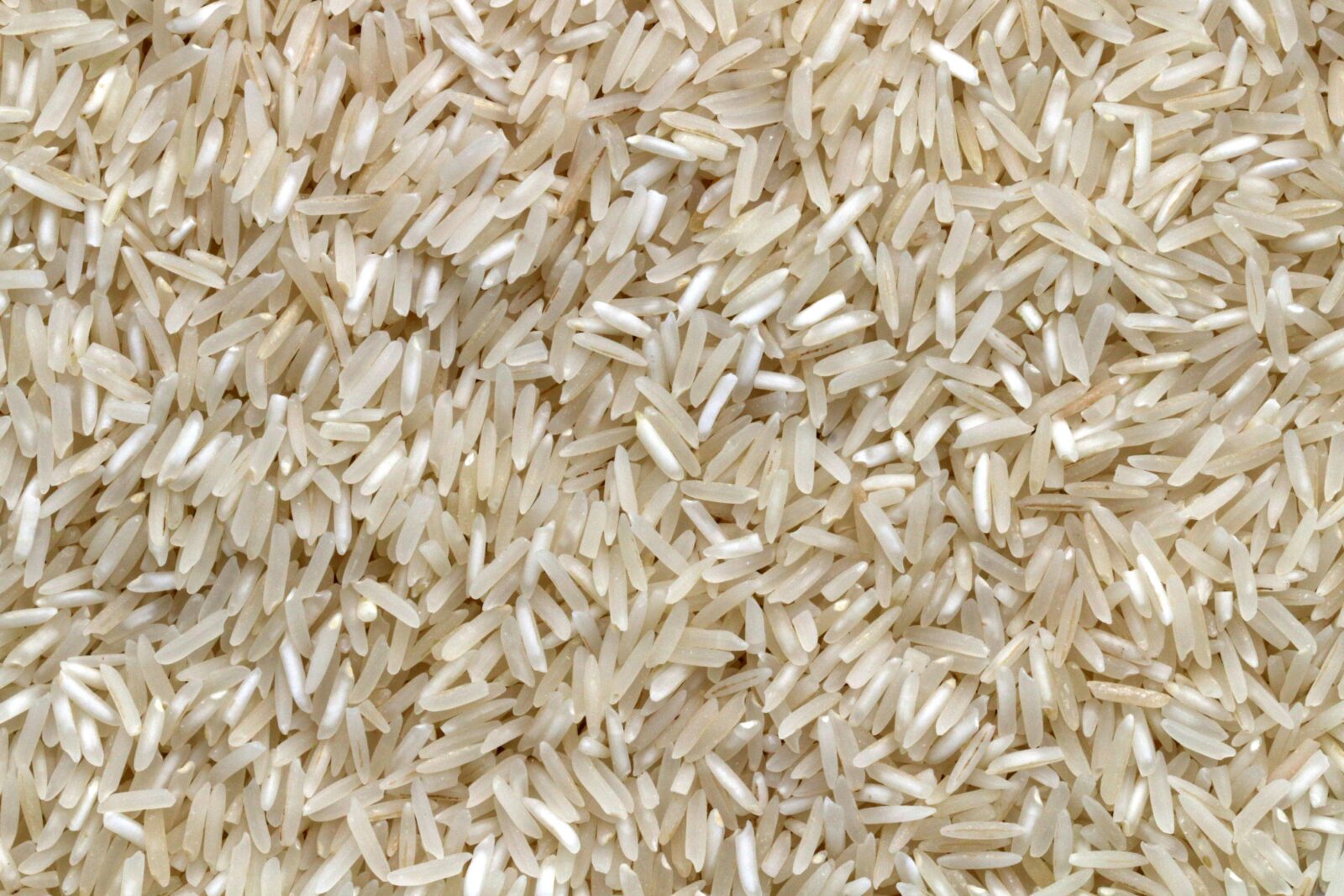
Emerging Trends in Rice Milling Technology for Enhanced Performance
As you explore rice milling technology, it’s essential to recognize the emerging trends that can significantly enhance performance. One key advancement is the integration of IoT (Internet of Things) into milling operations. This technology allows for real-time data monitoring, enabling mill operators to track moisture levels, kernel quality, and machine performance remotely. As an example, using sensors and smart algorithms can optimize the milling process by adjusting paddy input based on the moisture content, leading to higher yield and less breakage. When assessing potential mills, check for compatibility with IoT systems and ensure they provide user-friendly interfaces for easy management.
Another trend worth considering is the adoption of energy-efficient milling machines. These machines not only reduce operational costs but also minimize environmental impact. When selecting a rice mill, examine the energy consumption ratings; many modern mills, like the Satake Z-series, come equipped with energy-saving motors that cut power usage by up to 30%. Additionally, investigate the availability of advanced automation features that enhance milling consistency. Look for mills that offer programmable settings for different rice varieties,ensuring precise control over the milling process. A misstep here often involves overlooking the maintenance needs of advanced mills, which can lead to downtime and higher costs. Prioritize models with comprehensive warranties and support services to mitigate these risks.

Evaluating Key Features: What to Look for in a Quality Rice Mill
when evaluating key features in a quality rice mill, focus on attributes that directly affect both efficiency and the quality of the rice produced. Start by examining the milling performance. Look for mills with adjustable settings that allow you to control the degree of milling, as this will help you achieve your desired polished rice texture.A model equipped with multiple rubber roll systems is preferable, as these provide a gentler milling process and reduce grain breakage. it’s also beneficial to check for quality of materials used in construction; stainless steel components typically ensure longevity and maintain hygiene standards. Always verify user reviews or ask for demonstrations to assess the milling quality firsthand.
Next, consider the energy efficiency of the rice mill, as this will significantly impact operational costs. Look for models that utilize energy-efficient motors or advanced technology to minimize electricity usage without compromising performance. A common oversight is neglecting the output capacity; ensure the mill can handle your expected volume without straining. For your reference, here’s a simple table comparing key rice mill features:
| Feature | Importance | Recommendation |
|---|---|---|
| Milling Performance | Directly affects quality | Look for adjustable settings and rubber rollers |
| Energy Efficiency | Reduces operational costs | Select models with energy-efficient motors |
| Output Capacity | Must meet production needs | Consider your volume requirements before purchasing |
inspect the maintenance requirements. Good rice mills should be easy to clean and maintain, which helps prevent contamination and ensures consistent performance. check if the model has a clear manual and online support for troubleshooting, as this can save you time and resources post-purchase. One common pitfall is underestimating the importance of after-sales support; ensure the manufacturer offers a reliable warranty and accessible customer service, as this can make a large difference in your experience and long-term satisfaction with the product.
Top Brands and Their Unique Offerings for Optimal Rice Processing
When selecting a rice mill, it’s essential to consider the strengths of various top brands and how they cater to specific processing needs. As a notable example,brands like Sankalp Rice Mills offer advanced *parboiling* technologies,which are ideal for businesses looking to enhance the nutritional value of rice. Their automatic Parboiler is noted for its efficient steam generation,which can significantly reduce processing time while maintaining grain quality. Conversely, Nashik Rice tech excels in *whitening* machines that employ a unique *airflow* system to minimize breakage during milling—a common issue with less elegant models. before investing, check the warranty period and customer support services; many brands provide limited support post-purchase, leading to operational interruptions.
Understanding the specifications and user reviews of different models can also influence your decision. For example, the Satake Miura series is widely praised for its energy efficiency, often reducing operational costs by 30% compared to older models. Compare crucial metrics such as *throughput*, *energy consumption*, and *maintenance needs* across brands by visiting manufacturer websites or third-party review platforms. Additionally, common pitfalls often occur when businesses overlook local suppliers—features often tailored to regional rice varieties. Rather of choosing standardized options, consider mills that offer customizable settings for *grinding*, *polishing*, and *sizing*. By prioritizing these factors, you can ensure that the rice mill you select not only meets but exceeds your operational needs, ultimately enhancing the quality of your final product.
Maintaining Efficiency: Best Practices for Operating Your Rice Mill
To maintain efficiency in operating your rice mill, start by implementing a thorough maintenance schedule for all machinery. Regular checks on your milling equipment can prevent sudden breakdowns that lead to production downtime. Some key points to focus on include:
- Daily Inspections: Examine the machinery for any signs of wear and tear, particularly on the rubber rollers and separators.
- Lubrication: Ensure that all moving parts are properly lubricated according to the manufacturer’s guidelines.
- Calibration: Regularly calibrate machines to maintain consistent output quality. Use a specific grain sample to measure the effectiveness of your milling process.
One common issue that can disrupt efficiency is overcrowding, where too much rice is fed into the machine at once, leading to inefficiencies and increased waste. To combat this, implement a feed monitoring system that optimizes the flow of rice through the mill based on the current processing speed. Additionally, consider investing in technology such as sensors that can automatically adjust the milling parameters based on the type and condition of the rice. below is a simple table comparing different metrics you should track for optimal operation:
| metric | Ideal Range |
|---|---|
| Machine Downtime | Below 10% |
| Product Waste | 1-2% |
| Energy Consumption | Optimized for your specific output |
Regularly review these metrics to identify any discrepancies and make adjustments accordingly, ensuring your rice mill operates at its peak performance. By adopting these practices, you set your operations up for long-term success and refine the decision-making process related to machinery upgrades or replacements.
To Conclude
choosing the right rice mill can significantly impact not only the quality of your rice but also your efficiency in production. As we explored the top rice mills of 2024, it’s clear that advancements in technology, design, and functionality are reshaping the industry. Whether you are a large-scale producer or a small farm, understanding the features that set these mills apart is vital to making an informed decision. As you embark on this journey of selection, consider the unique needs of your operation and the traits that will enhance your processes. With the right rice mill,you can ensure that you are not just meeting expectations,but exceeding them,delivering exceptional products to your customers. Embrace the possibilities that lie ahead,and may your harvests be fruitful and your endeavors triumphant.