In an ever-evolving agricultural landscape, the quest for efficiency and profitability in rice production has reached new heights, making the establishment of a rice mill plant an enticing venture for entrepreneurs and investors alike. The humble yet vital rice mill serves as the backbone of the rice supply chain, transforming harvested grains into market-ready products. However,the journey from concept to operation requires not only a robust business plan but also a keen understanding of key strategies that maximize efficiency and profitability. In this article,we will delve into the intricate process of launching a 2-ton rice mill plant project. Join us as we explore essential considerations, innovative technologies, and best practices that can propel your venture into success, turning your aspirations into a thriving reality. Whether you are a seasoned industry player or a novice entrepreneur,these insights will serve as your guide to navigating the complexities of rice milling and achieving lasting growth in a competitive market.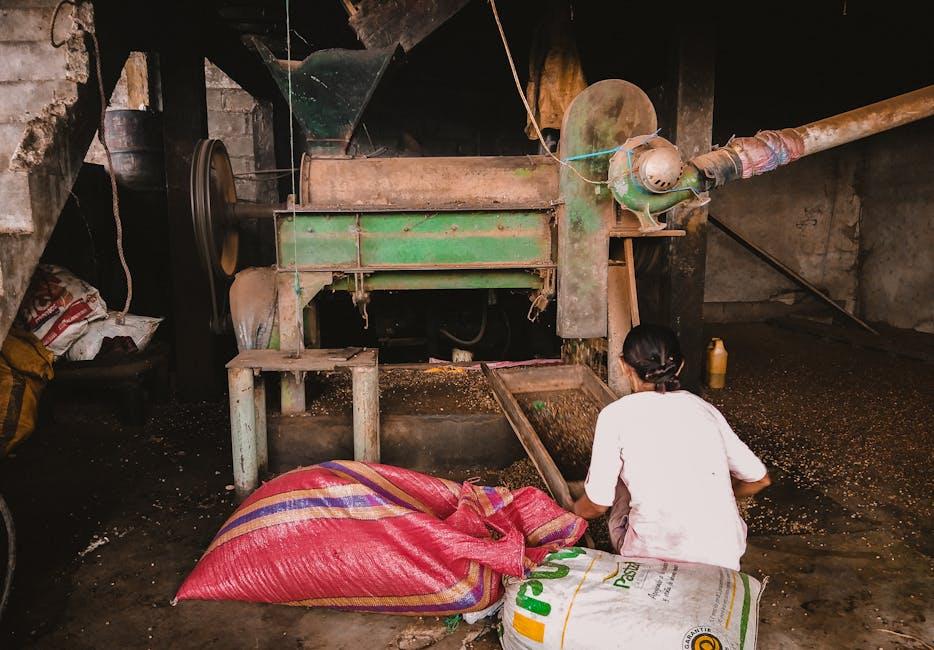
Navigating the Landscape: Essential Considerations for your Rice Mill plant Investment
When considering an investment in a rice mill plant, it’s crucial to conduct comprehensive market research and feasibility analysis. Begin by evaluating the local and regional demand for rice products, analyzing competition, and identifying target customers. check for potential partnerships with local farmers or cooperatives to secure a steady supply of raw materials. Additionally, consider the following essential factors:
- Location: The plant should be strategically situated near rice-producing areas to minimize transportation costs.
- Technology and Equipment: Research modern rice milling technologies that enhance efficiency and quality. For instance,investing in pre-cleaners,huskers,and polishers can significantly reduce waste and improve the final product’s quality.
- Regulatory Compliance: Ensure you understand the local regulations concerning food safety and environmental standards to avoid potential legal issues.
As you develop the plant layout, prioritize workflow efficiency to minimize downtime. A streamlined process with well-defined stations for different milling stages can enhance operational efficiency significantly. Common pitfalls include neglecting employee training and overestimating the initial production capacity—both of which can lead to errors and low morale. rather, establish a detailed training program focused on equipment operation and quality control. evaluate financing options carefully; consider both conventional loans and government grants or incentives that can alleviate financial burdens and support cash flow during initial operational phases.thorough planning and strategic foresight are key to avoiding costly mistakes and ensuring a successful rice mill plant operation.

Blueprint for Success: Proven Tactics to Enhance the Performance of Your Rice Milling Operation
To enhance the performance of your rice milling operation, start by optimizing the entire grain handling process. Check the moisture content of rice before milling—ideally, it should be between 12-14%. This helps prevent breakage and maintains quality. Use a hulling machine selection appropriate for your rice variety; for instance, rubber roll hullers are more effective for conventional long-grain rice. Pay attention to the maintenance schedule of machinery; regular inspections can identify wear and tear before they result in costly breakdowns.Implementing a quality control checklist can also prevent common mishaps, such as over-hulling, which can lead to valuable rice loss.
Moreover, closely monitor the milling efficiency to identify bottlenecks. Review the yield rates; a good benchmark is to achieve 65-70% milled rice from paddy. Adjust your milling settings accordingly if you observe deviations. Invest in automation where feasible; for example, automated grading systems reduce human error and speed up the sorting process. Utilize data analytics tools to track production metrics, giving you insights on cycle times and machine performance. Lastly, don’t overlook the importance of employee training—skilled operators can significantly optimize the milling process and reduce waste.
- Moisture Content: 12-14%
- Common Tools: Rubber Roll Hullers
- Target Yield: 65-70% Milled Rice
- Automation Benefits: Errors reduction, speed
Pitfalls to Sidestep: Common Errors in Rice Mill Projects and How to Avoid Them
Launching a 2-ton rice mill plant involves navigating several common pitfalls that can significantly hamper productivity and profitability. One critical error is underestimating the importance of site selection. Ideally, your plant should be near both the source of raw materials (paddy rice) and the target markets for your finished product. Before committing to a location, assess transportation costs, proximity to suppliers, and market accessibility. for example,a facility located close to major highways can reduce logistics costs by up to 20%. Additionally, ensure that the facility complies with local regulations and can accommodate future expansions.Conducting a thorough feasibility study can help identify these factors upfront, allowing for smarter decisions.
Another frequent mistake is neglecting quality control measures and maintenance protocols. establishing a robust quality control system is essential for ensuring consistent product quality, which affects customer satisfaction and brand reputation. Regular maintenance of machinery can prevent downtime and costly repairs. It’s advisable to create a detailed maintenance schedule for the equipment, including daily, weekly, and monthly checks. For instance, implementing a preventive maintenance checklist can significantly reduce unexpected breakdowns. Consider training staff on operational best practices as well. Keeping employees informed about their roles in production efficiency can lead to a more engaged workforce and improved performance. Keep in mind that a well-trained team can boost operational efficiency by 15% or more.
Cost-effective Choices: Strategies for Selecting Equipment and Suppliers for Your Rice Mill
When selecting equipment and suppliers for your rice mill, focusing on cost-effective choices is crucial for maximizing profitability.Start by obtaining quotes from multiple suppliers to create a competitive environment. this not only results in better pricing but also engages suppliers who are more willing to negotiate terms. Check the suppliers’ reputation and reviews from past clients, as this can provide insights into their reliability. One common pitfall is going with the lowest-priced option without assessing the total cost of ownership, which includes maintenance, energy consumption, and replacement parts. As a notable example, a lower-cost milling machine may lead to higher energy bills or frequent downtime due to inferior quality components, ultimately affecting production efficiency. A well-documented checklist can definitely help in evaluating suppliers based on criteria such as:
- Cost of initial purchase
- Expected lifespan and warranty
- Availability of parts and service
- Energy efficiency ratings
- Customer service responsiveness
In addition to selecting the right equipment,consider forming partnerships with reliable local suppliers for ancillary materials like packaging and processing aids. These collaborations can reduce transportation costs and ensure timely deliveries. For example, sourcing packaging materials locally may save on both shipping time and costs, which can be a critical advantage in a competitive market. Another effective strategy is to invest in equipment that can be easily upgraded or expanded. This way, you can scale your operations without needing to replace your base machinery, which is not only economical but also mitigates the risk of obsolescence. When evaluating your equipment selections, utilize a cost-benefit analysis table that compares potential investments against their projected outputs and savings. This method can illuminate areas where you can optimize without compromising quality:
| Equipment | Initial Cost | Projected maintenance | Estimated Energy Use | Output |
|---|---|---|---|---|
| Milling Machine A | $10,000 | $500/year | 15% less than average | 2 tons/hour |
| Milling Machine B | $8,000 | $800/year | 20% more than average | 1.5 tons/hour |
The Conclusion
embarking on a 2-ton rice mill plant project is not merely about setting up machinery; it’s a meticulous dance of strategy, planning, and execution. as we’ve explored throughout this article, maximizing efficiency requires a holistic approach—balancing innovative technology, skilled labor, and sustainable practices. By leveraging the insights and strategies outlined here, you can turn your vision into a thriving reality.
Whether you’re a seasoned entrepreneur or a newcomer to the agricultural landscape, remember that each step you take towards optimizing your operations brings you closer to not just profitability, but also to a pioneering role in your community’s agricultural future.As the grains of rice flow through your mill, so too will the fruits of your labor materialize, paving the way for a prosperous venture that benefits both you and the farmers you serve.now, armed with knowledge and a strategic mindset, it’s time to turn your aspirations into action. Every effort counts on this journey toward efficiency and success. Let the milling begin!