In the world of agriculture, where every grain counts, the ability to efficiently process crops can mean the difference between thriving and merely surviving. For small-scale farmers, the evolution of technology has introduced powerful yet compact solutions designed to enhance productivity while streamlining operations. At the forefront of this innovation are combine mini rice mills—versatile machines that promise a multitude of benefits for growers looking to maximize their yields and minimize labor. In this comprehensive guide, we will explore the myriad features and advantages of these compact marvels, delving into how they transform rice milling from a labor-intensive chore into a seamless and efficient process. Whether you’re a seasoned farmer or just starting out, understanding the capabilities of combine mini rice mills coudl be the key to unlocking new potential in your agricultural endeavors. Join us as we unpack the transformative role of these machines in enduring farming practices, paving the way for a more productive and prosperous future.
Unlocking Efficiency: How Combine Mini rice Mills Enhance Small-Scale Farming
Combine mini rice mills represent a transformative solution for small-scale farmers seeking to improve efficiency in their rice processing operations.These compact machines are designed to carry out multiple functions—such as milling, husking, and polishing—in a single, streamlined process. One of the primary advantages of using a combine mini rice mill is the significant reduction in labor costs and time. Instead of employing multiple workers and operating several machines, farmers can now achieve higher output with just one piece of equipment.Additionally, these mills can operate using renewable energy sources, which not only cuts down operational costs but also promotes sustainable farming practices. More specifically, the operational benefits include:
- Time Efficiency: Processes that used to take hours can now be completed in mere minutes.
- Cost-Effectiveness: Reduces the need for manual labor and multiple machines, lowering overall expenses.
- Quality Output: Produces cleaner and higher-quality rice due to advanced milling technology.
Additionally,small-scale farmers often face challenges such as limited access to resources and market competitiveness. Combine mini rice mills address these issues with their mobility and usability. Farmers can easily transport these machines to different locations, allowing them to process rice right at the source or during peak harvest times. Furthermore, the ability to process rice on-site enhances the freshness of the product, which can be a selling point in local markets. When comparing traditional milling methods with combine mini rice mills, the latter shows superior versatility and adaptability. For farmers considering a transition, it’s vital to evaluate several key factors:
- Machine Specifications: Look for features like milling capacity and energy sources.
- Maintenance Requirements: choose models that are easy to maintain to ensure longevity.
- Cost vs. Benefit: Assess how quickly the investment will pay off through enhanced productivity.
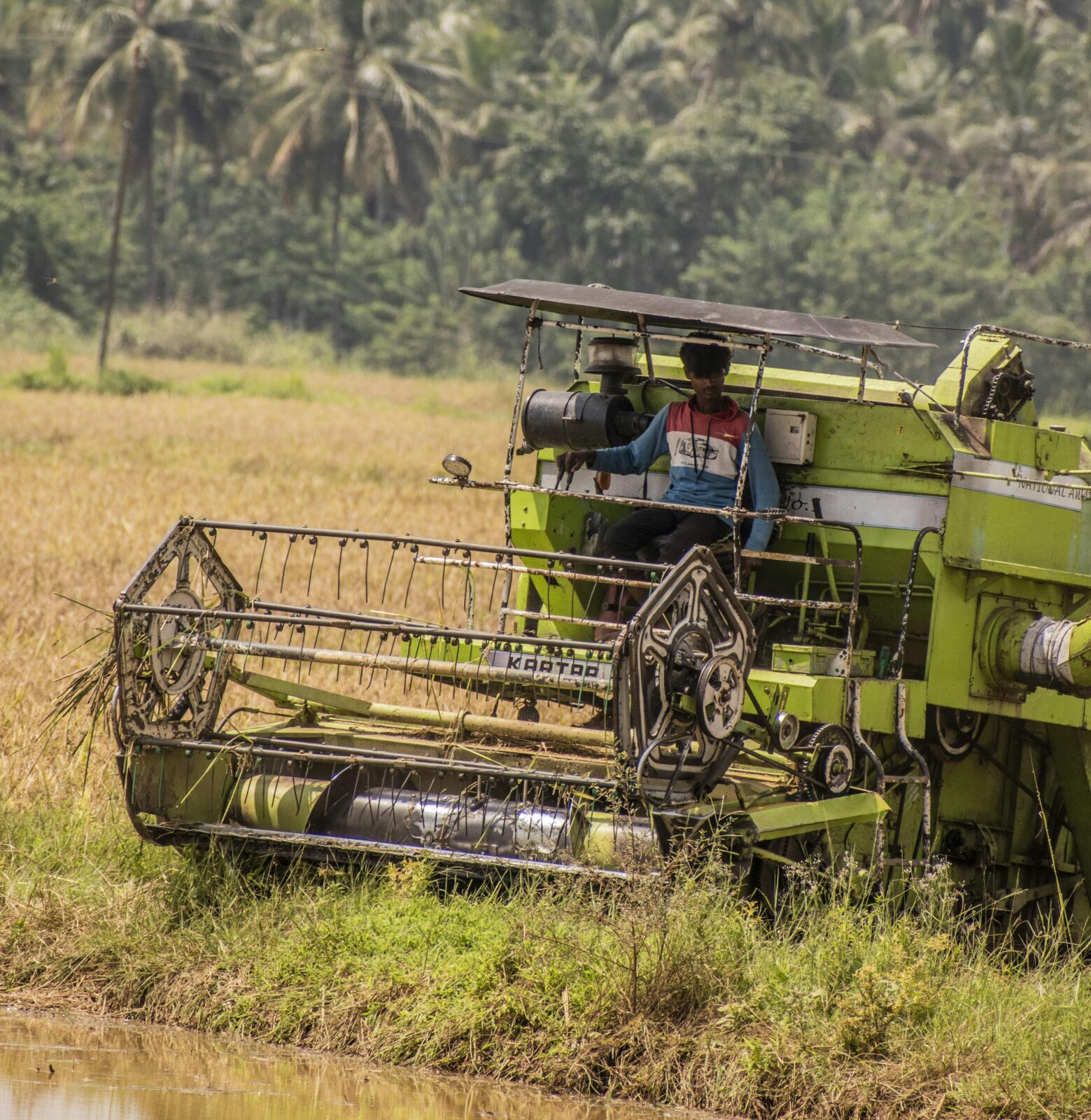
Demystifying Combine Mini Rice Mills: Features, Advantages, and Common Misconceptions
Combine mini rice mills, designed to cater specifically to the needs of small-scale farmers, combine the processes of husking, milling, and polishing rice in a single unit. These compact machines typically operate with minimal power and are highly efficient in producing quality rice with reduced physical labor. Some of the standout features include:
- Compact Design: easy to transport and set up, making them ideal for small farms.
- Multi-Functionality: Capable of performing multiple processes—hulling, milling, and polishing—saving time and labor costs.
- Energy Efficiency: Designed to consume less energy while delivering high output, thus reducing operational costs.
- Quality Output: Produces high-quality rice with minimal broken kernels, enhancing the market value of the produce.
Despite their benefits, some common misconceptions may led to hesitance in adoption. One such myth is that mini rice mills are only suitable for small operations and cannot compete with larger mills. However, many mini rice mills deliver remarkable throughput, making them viable even for moderate production levels.Additionally, there is a belief that these machines lack durability, but with proper maintenance, many models are built to withstand years of use. For those considering investing in a combine mini rice mill,it’s worthwhile to compare the specifications and user reviews of various brands to find a model that suits specific needs. Consultations with other small-scale farmers can also yield insights into performance and satisfaction levels, helping to dispel myths while showcasing the real-world advantages of these innovative milling solutions.
Navigating Your Options: Key considerations when Choosing a Combine Mini Rice Mill
When selecting a combine mini rice mill, there are several critical factors to consider that can substantially influence both the efficiency of your operations and the quality of your final product. First, think about the capacity and size of the mill. It’s essential to choose a machine that aligns with your scale of operation. Smaller units are perfect for small-scale farmers or those with limited space, while larger capacities might be necessary for moderate operations. Consider the mill’s output rate, commonly measured in kilograms per hour, to ensure it meets your production needs. Other operational features to evaluate include the mill’s energy requirements,whether it operates on electricity or diesel,and its overall maintenance needs. Regular maintenance routines can affect long-term usability, so opt for models with easily accessible parts and reliable customer support.
Another significant aspect to keep in mind is the technology and design incorporated into the rice mill. Modern mini rice mills often come equipped with automated systems that enhance precision and reduce labor costs. Look for mills with features such as multi-functional capabilities, allowing for functions like husking, milling, and polishing in one machine. It’s also wise to compare brand reliability and customer reviews as this provides insights into their performance and durability. Don’t forget to evaluate the warranty offered by manufacturers; a longer warranty incentivizes investment and protects against early malfunctions. Lastly, take survey feedback and recommendations from other farmers into account to identify which models have proven most efficient in real-world conditions. Here’s a swift comparison table for critically important features to consider:
| feature | Low Capacity Model | Moderate Capacity Model | High Capacity Model |
|---|---|---|---|
| Output Rate (kg/h) | 100-300 | 300-600 | 600+ |
| Energy Source | Electric | Electric/Diesel | Diesel |
| Maintenance Frequency | Monthly | Bi-Monthly | Quarterly |
Transforming Harvests: The Role of Combine Mini Rice Mills in Sustainable Agriculture Practices
Combine mini rice mills are pivotal in promoting sustainable agricultural practices, particularly for small-scale farmers.these compact milling units are designed to efficiently process harvested rice into market-ready products, reducing waste and improving overall productivity.Here are some key roles they play in sustainable agriculture:
- Minimized Waste: By extracting a higher percentage of usable grain from harvested rice, mini rice mills reduce post-harvest losses, ensuring that farmers maximize their yield without needless waste.
- Energy Efficiency: Many modern combine mini rice mills utilize advanced technology that consumes less energy than traditional milling methods, contributing to lower greenhouse gas emissions.
- Improved Grain Quality: These mills can ensure uniform milling quality, which helps in maintaining the nutritional value of rice and enhances its marketability.
- Fostering Local Economies: By processing local crops, farmers can not only retain more of their profits but also stimulate the local economy by creating jobs and fostering local trade.
Though,while transitioning to these modern systems,farmers may encounter challenges. Initial costs and necessary training in the technology can be barriers, but the long-term benefits outweigh these hurdle.Investing in combine mini rice mills can lead to:
| Benefits | Challenges |
|---|---|
| Increased profitability from reduced losses | Initial investment costs |
| Enhanced quality of rice for better market prices | Need for technical training |
| Support for sustainable farming practices | Access to spare parts and maintenance services |
Farmers are encouraged to seek local programs and financial assistance aimed at easing the transition into using these mills, ensuring they can reap the benefits while contributing to a more sustainable agricultural landscape.
Insights and Conclusions
the journey through the world of combine mini rice mills showcases their undeniable value for small-scale farmers. These compact yet powerful machines offer a host of benefits—from enhanced efficiency and reduced labor costs to the ability to preserve the quality of the grain. As smallholder farmers face the challenges of modernization and competition, adopting such innovative solutions can pave the way for increased productivity and profitability.
Embracing combine mini rice mills not only empowers farmers with greater control over their agricultural practices but also contributes to sustainable farming methods. By investing in these cutting-edge tools, farmers can transcend the limitations of traditional methods, ensuring a brighter future for themselves and their communities.
As we wrap up this comprehensive guide, we encourage farmers to consider exploring the features and options available in the market. Each step taken toward modernization is a step toward a more resilient agricultural landscape,capable of thriving in the face of ever-evolving challenges. Happy milling!