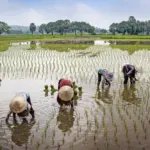
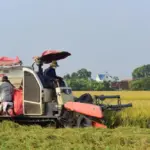
In an era where the world grapples with the dual challenges of population growth and climate change, the quest for sustainable food solutions has never been more pressing. At the heart of this endeavor lies one of humanity’s oldest staples: rice. As we transition from conventional agricultural practices to advanced technologies, modern rice processing plants are emerging as powerful allies in the fight for global food security. These facilities, equipped with cutting-edge machinery and innovative techniques, transform raw harvests into high-quality products while minimizing waste and environmental impact. In this article, we will explore how these processing plants are not only enhancing the efficiency of rice production but also redefining the very foundations of food security on a global scale. Join us as we uncover the journey from farm to fortune and the pivotal role that modern technology plays in ensuring that rice, the lifeblood of millions, remains accessible and abundant for generations to come.
Revolutionizing Resilience: The double-Edged Sword of Advanced Rice Processing Technologies
The advent of advanced rice processing technologies has disrupted traditional assumptions about agricultural resilience and food security. While it’s easy to celebrate these innovations as unequivocal solutions, a closer examination reveals a series of nuanced trade-offs that merit deeper consideration. As an example, innovations such as automated milling and precision milling can enhance yield efficiency and reduce waste.Though, these benefits come at a cost: the increased reliance on technology can exacerbate disparities between large agribusinesses and smallholder farmers who may lack access to such advancements.Moreover,while enhanced processing techniques contribute to better shelf life and reduced spoilage,they can likewise led to an over-reliance on processed rice,perhaps diminishing the nutritional qualities that whole-grain rice varieties offer.
Furthermore, the integration of advanced technologies raises questions about sustainability. Techniques like parboiling and fortification can mitigate certain nutritional deficiencies on a global scale, yet they may also impose unneeded energy demands and chemical use that can compromise local ecosystems. To navigate these complexities, stakeholders must adopt a balanced approach that considers both short-term gains and long-term impacts. Recommendations include investing in training programs for smallholders to improve access to these technologies,promoting policy frameworks that ensure equitable technology transfer,and fostering consumer awareness around the nutritional value of less processed rice. By intentionally blending innovation with sustainability, the rice processing sector can truly align with global food security goals without sacrificing resilience.

Beyond Boosting Yield: Unveiling the Hidden Costs of Industrial Rice Production on Local Economies
While the advent of modern rice processing plants has undeniably enhanced agricultural productivity, it is indeed crucial to scrutinize the broader socio-economic implications of this shift on local economies. Frequently enough touted as solutions to food security, these industrial facilities can inadvertently introduce new challenges that outweigh the benefits of increased yield.For instance, while higher productivity might lead to lower prices for consumers, smallholder farmers may find themselves pushed out of the market due to competitive pricing pressures and the need for mass production.This dynamic can lead to:
- Consolidation of Power: Large corporations gain dominance over local supply chains, squeezing margins for smaller producers.
- Exploitation of Labor: As demand rises, labor practices in processing plants may face scrutiny, raising ethical concerns.
- Cultural Erosion: Traditional agricultural practices and crop diversity may decline as monocultures become the norm.
Mitigating these hidden costs requires nuanced strategies that promote sustainability alongside industrialization. Policymakers must prioritize inclusive growth by fostering cooperative models that empower local farmers to participate meaningfully in the supply chain without sacrificing thier livelihoods. Additionally, investments in education and infrastructure can enhance the resilience of local economies by encouraging the diversification of crops and value-added processing solutions. A focus on sustainable practices and fair labor standards can cultivate a balance between productivity and community welfare, ultimately redefining the benefits of modernization in rice production.
The Overlooked Sustainability Crisis: Evaluating the Environmental Footprint of Modern Rice Processing
Modern rice processing is frequently enough celebrated for its role in enhancing food security and increasing efficiency, yet beneath this progressive veneer lies a critical sustainability crisis that demands a rigorous evaluation of its environmental footprint. The traditional perception that technological advancements in rice processing naturally lead to more sustainable practices is increasingly challenged by evidence pointing to environmental degradation. Notably, the energy-intensive nature of milling, the meaningful water usage during processing, and the waste generated contribute to a paradox where efforts to ensure food security together exacerbate ecological challenges.
To navigate this complex landscape, stakeholders must shift towards a more holistic approach by considering the trade-offs inherent in modern rice processing. Key areas for focus include:
- Energy Consumption: While modern plants frequently enough rely on advanced machinery that can optimize output, many operate on fossil fuels, highlighting the need for a transition to renewable energy sources.
- Water Management: Effective water use strategies, including recycling and choice supply methods, should be prioritized to mitigate the substantial water footprint associated with rice milling.
- Waste Reduction: Implementing zero-waste initiatives could turn by-products into valuable resources, thereby minimizing landfill usage and contributing to circular economy principles.
Nuanced recommendations involve fostering collaboration across the supply chain. Governments and NGOs should incentivize investments in green technologies and best practices, while consumers can drive demand for sustainably produced rice. A focus on clarity regarding the environmental impacts of processing will empower buyers to make informed choices, effectively linking market dynamics to sustainability improvements. Ultimately, redefining success in the rice processing sector means recognizing that enhancing food security must also align with environmental stewardship.
Navigating the Future of Food Security: Strategic Innovations and Their Trade-Offs in Rice Processing Systems
As the global population continues to swell, the push for enhanced food security in rice processing systems becomes a pressing necessity. Strategic innovations, such as high-tech milling processes, automation, and AI-driven analytics, can significantly improve efficiency and yield. However, these advancements are not without their trade-offs. for instance, while automation can reduce labor costs and increase speed, it may lead to job losses in rural communities, exacerbating social inequalities. Furthermore, incorporating AI and data analytics involves substantial initial investments, which could widen the gap between economically robust and resource-limited regions.Embracing these technologies should come hand-in-hand with robust policy frameworks that aim to balance efficiency with social obligation. A nuanced approach towards training programs could empower workers to excel in these new technological landscapes rather than become obsolete.
Moreover,the environmental impact of rice processing warrants thoughtful consideration. Innovations like energy-efficient machinery and water recycling systems are vital for mitigating ecological footprints; though, they frequently enough demand higher capital expenditures and can lead to short-term increases in processing costs. This sparks a crucial debate about cost versus sustainability.To navigate this dilemma, stakeholders must weigh the immediate financial implications against the long-term benefits of sustainability practices, which could ultimately safeguard resources for future generations. Strategic partnerships among governments, corporations, and NGOs can facilitate investments in green technologies, ensuring that progress does not come at the expense of ecological integrity. A well-rounded framework that promotes both economic viability and environmental stewardship will be essential as we stride toward a more resilient food security agenda.
Concluding Remarks
As we walk away from the fields and into the cutting-edge facilities where innovation meets tradition, it’s evident that modern rice processing plants are not merely production hubs; they are dynamic pillars in the quest for global food security. These sophisticated operations transform the humble grain into a vital resource, ensuring that food systems are resilient enough to withstand the challenges of the present and future.
In a world where hunger remains a pressing issue, the advancements in rice processing technology illuminate a pathway toward sustainability and efficiency. as nations strive to nourish their populations, the roles of these plants extend beyond mere processing—they become beacons of hope, fostering a connection between the farm and the dinner table that is stronger than ever.
Ultimately, the journey from farm to fortune is not just about economic growth; it’s a collective commitment to ensuring that every grain serves a purpose in the fabric of society. Embracing these innovations is not just a step forward in agricultural practice; it is a stride toward a more secure future for all.As we cultivate the seeds of progress, we must remain steadfast in our efforts to empower communities, protect our planet, and create a sustainable legacy for generations to come.The story of rice is far from over, and in their hands, we find the promise of nourishment, stability, and prosperity for the world.