In the ever-evolving landscape of agriculture, efficiency and sustainability have become paramount for farmers seeking to optimize their operations. Among the innovations steering this change are combine mini rice mills—compact, versatile machines designed to streamline the rice processing journey from field to table. As farmers grapple with the challenges of labor shortages, rising costs, and the demand for higher quality produce, understanding the benefits of these modern milling solutions is essential. This thorough guide delves into the multifaceted advantages of combine mini rice mills, illuminating how they can transform conventional practices, enhance productivity, and contribute to a more sustainable future in rice farming. Join us as we explore the features, efficiencies, and economic impacts of these powerful tools, offering insights that every farmer should consider in their quest for agricultural advancement.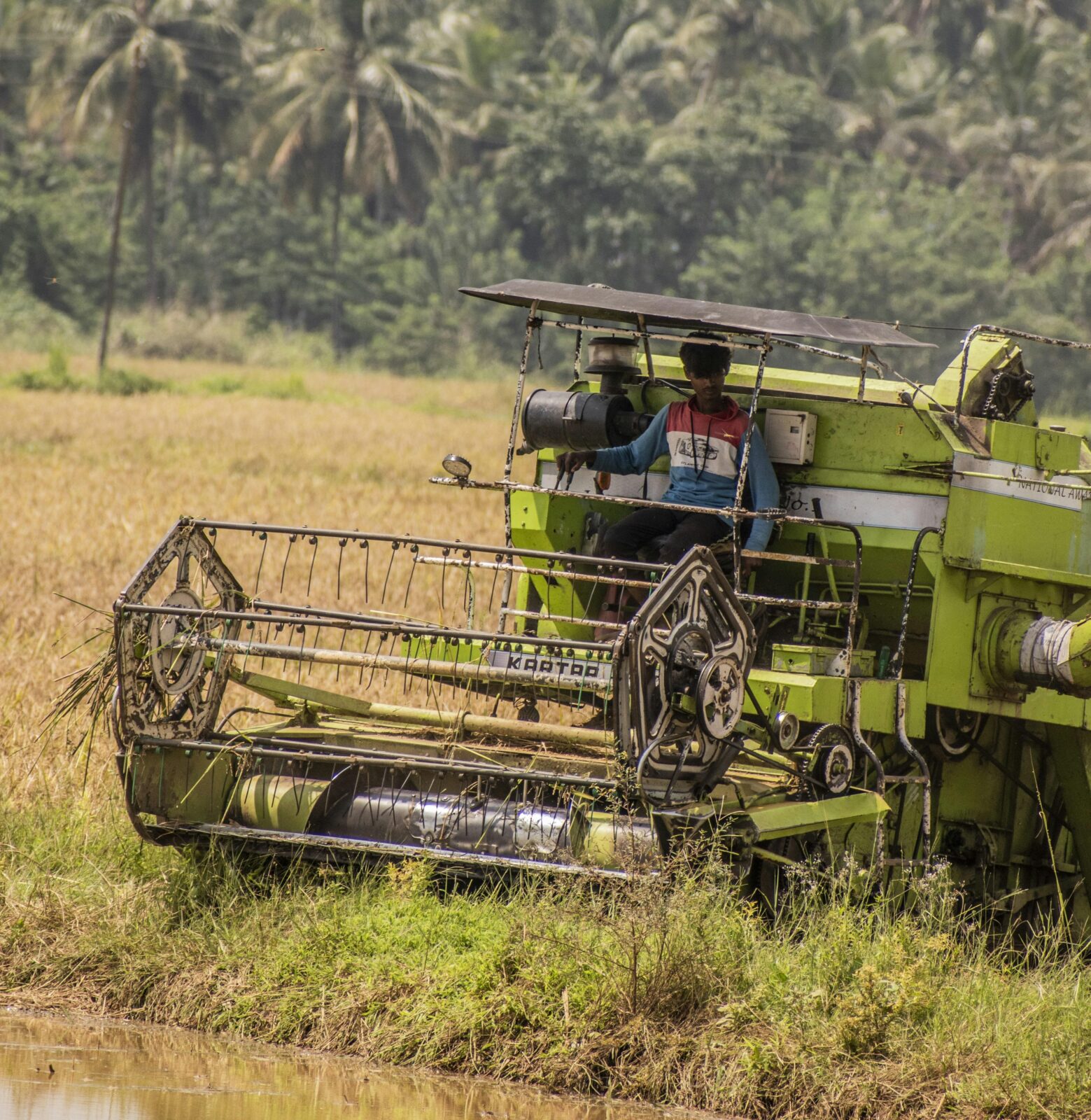
Exploring the Functionality of Combine Mini rice mills in Modern Agriculture
Combine mini rice mills represent a transformative innovation in modern agriculture, significantly changing the landscape of rice production and processing. These compact mills integrate multiple processing stages, allowing farmers to perform tasks such as husking, milling, and polishing in one machine.This consolidation not only enhances efficiency but also minimizes labor costs and reduces the need for extensive infrastructure. By streamlining the process, farmers can ensure quicker turnaround times from harvest to market, resulting in fresher products and improved profitability.
Beyond efficiency, combine mini rice mills offer several advantages that align with the contemporary needs of farmers. Here are key benefits to consider:
- Space-saving Design: Their compact size is perfect for small farms with limited space.
- Lower Operational Costs: The combined functionality decreases the equipment investment and maintenance expenses.
- Quality Enhancement: Modern mills often come with advanced technology that ensures higher milling yields and better overall grain quality.
- Versatile Adaptation: They can be adapted for different rice varieties, making them suitable for diverse agricultural practices.
However, it’s crucial to address some challenges that may arise with their use, such as the initial cost for smallholder farmers and the need for technical expertise in operation and maintenance.Farmers are encouraged to conduct side-by-side comparisons of different models, weighing factors like production capacity, ease of transport, and durability. Investing in workshops or training programs that focus on the operation of these mills can further enhance their usability and embed these tools into sustainable farming practices. incorporating combine mini rice mills can significantly elevate the productivity and efficiency of rice farming operations.

Uncovering the Profound benefits of Mini Rice Mills for smallholder Farmers
Mini rice mills have become increasingly popular among smallholder farmers, offering a range of notable benefits that promote efficiency and sustainability in rice production. these compact milling units allow farmers to process their harvested crops on-site, reducing transportation costs and time delays associated with sending rice to larger commercial mills. The primary benefits include:
- Cost Efficiency: Mini rice mills require a lower initial investment compared to traditional milling systems, making them accessible to smallholder farmers. additionally, they minimize operational expenses over time.
- Quality Control: By milling their own rice, farmers gain greater control over the quality and freshness of the product. This can result in improved market prices and customer satisfaction.
- Empowerment: Smallholder farmers are empowered to produce and sell value-added products, increasing their income potential and fostering local economies.
- Sustainability: Using a mini rice mill reduces the carbon footprint associated with transportation and supports local production chains, promoting environmental sustainability.
Though, the implementation of mini rice mills is not without challenges. Farmers often face issues such as limited access to financing, the need for technical training, and market access for their milled rice. A comparison of mini rice mills with larger mills reveals that while larger mills offer higher capacities, they frequently enough lack the flexibility and localized service that mini mills provide. Farmers should consider various factors when selecting a mill, such as:
- Capacity Requirements: Assess how much rice is typically harvested and the processing volume needed.
- Power Source: Evaluate whether the mill will be powered by electricity, diesel, or solar energy, based on local availability.
- Maintenance Support: Check for localized service or availability of spare parts to ensure operational longevity.
By integrating mini rice mills into their farming operations, smallholders can transform their agricultural practices, enhance productivity, and ultimately elevate their livelihoods.
Navigating Common Misconceptions and Challenges in Choosing Mini rice mills
Navigating the world of mini rice mills can be challenging,especially for farmers unfamiliar with the technology and its various offerings. One prevalent misconception is that all mini rice mills are the same in terms of efficiency and output quality. In reality, mills vary significantly in design, capacity, and features. It’s essential for farmers to evaluate their unique needs based on scale, type of rice grown, and local market requirements. As a notable example, a mill designed for small-scale farmers may not perform adequately for larger operations. Here are key factors to consider while choosing a mini rice mill:
- Capacity: Understand the daily milling capacity required for your operations.
- Efficiency: Look for mills with high milling efficiency rates, as they tend to waste less grain.
- Maintenance: consider the ease of maintenance and availability of repair services for the equipment.
- Cost: Compare initial investment versus long-term benefits, including energy consumption and labor cost savings.
Another common challenge is the assumption that higher-priced models are always better. Price does not always equate to quality; thus,it’s crucial to assess specifications and user reviews comprehensively. When evaluating different models, farmers should also contemplate the technology involved—specific features like de-stoning, polishing, and husk removal significantly impact overall rice quality and marketability. A side-by-side comparison table can help visualize these differences:
| Feature | Basic Model | Advanced Model |
|---|---|---|
| Milling Capacity | 400 kg/hour | 800 kg/hour |
| Energy Efficiency | Poor | High |
| Automated Features | None | Yes |
| Cost | $2,000 | $4,500 |
This table illustrates a potential scenario; however, it’s imperative to conduct an in-depth analysis that aligns with your agronomic practices and market objectives. Being informed about these misconceptions and challenges will empower farmers to make a choice that not only boosts productivity but also enhances financial returns.
Practical Tips for Selecting the Right Combine Mini Rice Mill for Your Needs
When choosing the right combine mini rice mill for your farming needs,several critical factors must be considered to ensure optimal performance and efficiency. Start by assessing the capacity of the mill. Mini rice mills usually vary in their processing capabilities, so choose one that aligns with your production goals. Look for models that can process the amount of paddy you typically harvest, whether it’s a few hundred kilograms or several tons per day. Additionally, consider the power source—electric or diesel—based on your location and access to power supply. Some specifications to review include:
- Processing capacity per hour: Ensure it matches your output needs.
- Energy efficiency: Look for mills with lower power consumption.
- Physical dimensions: make sure it fits your available space.
Another essential aspect is the features and technology embedded in the machine. Modern combine mini rice mills come equipped with advanced functionalities, such as automatic weighing and husking, which can significantly reduce labor costs. Read customer reviews and look for recommendations from fellow farmers to gauge the reliability of specific models. Also,consider the maintenance and support offered by the manufacturer. Will you have easy access to parts and service? A reliable after-sales service can save you time and money in the long run. Below is a simple comparison table of some popular models:
| Model | capacity (kg/h) | Power Source | Price ($) |
|---|---|---|---|
| Model A | 500 | Electric | 1,200 |
| Model B | 1,000 | Diesel | 2,500 |
| Model C | 750 | Electric | 1,800 |
Insights and Conclusions
the advent of combine mini rice mills represents a transformative leap for farmers striving to enhance their productivity and profitability. By delving into the multifaceted benefits outlined in this guide, farmers can make informed decisions about integrating these innovative machines into their operations. Whether it’s the efficiency of processing, the quality of the yield, or the reduction of labor costs, the mini rice mill embodies a holistic approach to modern agriculture. As we move forward in an ever-evolving farming landscape, embracing technology like the combine mini rice mill can empower farmers to cultivate not just rice, but a sustainable future. The grains of change are indeed within reach; by harnessing these advancements,farmers can sow the seeds of success for generations to come. Thank you for joining us on this journey toward greater understanding and empowerment in the world of rice cultivation.