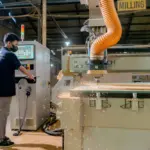
In the rich tapestry of global agriculture, few staples have woven themselves into the fabric of daily life as intricately as rice. This humble grain serves not only as a fundamental source of sustenance for billions but also as a catalyst for cultural exchange and innovation in culinary practices across the globe. Yet, behind every grain of rice lies a world of craftsmanship and technology where it is indeed meticulously processed to unlock its full potential. Enter the realm of rice mills,the unsung heroes of grain processing,where tradition meets modernity in the pursuit of excellence. In this article,we invite you to explore the top rice mills that exemplify the pinnacle of quality,efficiency,and sustainability in rice processing.Join us on a journey through their processes, technologies, and the passionate commitment to delivering the finest grains to our tables, highlighting the notable role they play in shaping our food systems.
Exploring the Evolution of Rice Mill Technology
The transformation of rice milling techniques over the decades illustrates a fascinating journey fueled by innovation, efficiency, and the ever-growing demand for quality grain processing. From ancient methods utilizing simple hand-operated tools to complex machinery, this evolution reflects the technological advancements that have made milling faster and more precise. today’s rice mills spotlight cutting-edge features,including automated systems and digital controls,which enhance productivity while maintaining grain integrity. Such developments not only streamline operations but also reduce waste, creating a more enduring approach to rice production.
Among the notable advancements in rice milling technology are modern husking machines,whitening systems,and polishers that ensure a consistent quality of the final product. The integration of AI and machine learning further optimizes milling processes, allowing for real-time adjustments to maximize yield. As we delve deeper into the characteristics of leading rice mills, it’s essential to recognize their commitment to quality, which is often reflected in their stringent quality assurance practices. Here’s a brief comparison of features across some top rice milling technologies:
| Technology | Features | Benefits |
|---|---|---|
| Automated Husker | High efficiency, minimal breakage | Increased throughput |
| Whitening Machine | Uniform polishing, adjustable pressure | enhanced appearance |
| Color Sorter | high-resolution imaging, AI sorting | Improved quality control |

Sustainability Practices in Modern Grain Processing
In the evolving landscape of grain processing, many rice mills are adopting innovative practices that prioritize environmental preservation and resource efficiency. These mills are increasingly utilizing technology to minimize waste and energy consumption. For instance, the implementation of energy-efficient machinery has become a staple, allowing mills to process rice with less power.Additionally,water conservation techniques,such as recycling water used in milling,help reduce the overall consumption of this precious resource. Many mills now also embrace sustainable sourcing, ensuring that the grains they process are cultivated using organic farming methods that replenish the soil rather than degrade it.
Beyond operational improvements, the commitment to sustainability is reflected in community engagement and education. Many rice mills are actively involved in local initiatives aimed at promoting eco-pleasant farming practices among nearby agricultural producers. They often provide resources and training sessions that focus on sustainable cultivation methods, pest management, and efficient use of fertilizers. To illustrate these efforts, consider the following table that highlights some of the leading sustainability initiatives adopted by top rice mills:
| Rice Mill Name | Sustainability Initiative | Impact |
|---|---|---|
| Mill A | Solar-Powered Operations | 50% reduction in CO2 emissions |
| Mill B | Water Recycling Systems | 40% reduction in water usage |
| Mill C | Organic Grain Purchasing | Supports 200 local farmers |
Quality Assurance: standards That Define Excellence
In the highly competitive landscape of rice milling, maintaining remarkable standards of quality assurance is paramount for establishing a reputable brand. Leading rice mills utilize rigorous protocols to ensure that every grain processed meets predetermined quality benchmarks. These protocols frequently enough include meticulous testing for purity,moisture content,and foreign matter,as even the smallest deviation can impact both flavor and nutritional value. By adopting advanced technologies, such as automated quality control systems, mills can achieve consistent outcomes and enhance operational efficiency, which in turn fosters consumer trust and brand loyalty.
The journey towards excellence is also reflected in adherence to industry certifications and standards. Compliance with internationally recognized frameworks, such as ISO 9001 and HACCP, not only assures quality but also elevates a mill’s standing in the global market. To highlight the significance of these standards, consider the benefits they provide:
- Enhanced product safety: Reduces risks of contamination.
- Improved customer satisfaction: Consistent quality leads to repeat business.
- Operational efficiency: Streamlined processes cut down on waste.
| Certification | Description |
|---|---|
| ISO 9001 | Quality management standard ensuring consistent product quality. |
| HACCP | Framework for identifying and controlling food safety hazards. |
| organic Certification | Verification that products meet organic farming standards. |
| Non-GMO Project Verified | assures consumers that products are free from genetically modified organisms. |
choosing the Right Rice Mill: Key Factors to Consider
When selecting a rice mill, it is indeed essential to evaluate several critical factors that can significantly impact both the efficiency and quality of production. First and foremost, technology plays a crucial role.Up-to-date milling technologies can enhance the yield and quality of rice, making systems such as paddy separators, de-stoners, and color sorters essential features to look for. Additionally, consider the production capacity of the mill. Assess whether the mill’s throughput aligns with your demand; this will help in ensuring a consistent supply of processed grains without delays.
Another integral aspect is maintenance and support services offered by the manufacturer. Opt for mills that come with extensive service agreements and readily available parts, ensuring minimal downtime during operation. Furthermore, scrutinizing energy efficiency is vital.A mill that conserves energy not only reduces operational costs but also demonstrates a commitment to sustainability. Lastly, consider customer reviews and testimonials which can provide real-world insights into the performance of the mill. This holistic approach will lead you to a rice mill that meets your operational needs effectively.
Concluding Remarks
As we conclude our exploration of the top rice mills renowned for their excellence in grain processing, it becomes clear that these establishments are not just industrial facilities; they are the backbone of an entire agricultural ecosystem. Each mill, with its unique blend of tradition and innovation, plays a crucial role in ensuring that high-quality rice reaches our tables while maintaining the integrity of the grains. The meticulous attention to detail, advanced technologies, and commitment to sustainability observed in these mills reflect a deep-seated respect for both the product and the farmers who cultivate it.
In a world where food security and quality are paramount, the rice mills profiled in this article stand as a testament to the remarkable dedication of the industry. As we savor each grain, let us appreciate the journey it has taken from field to fork, marked by the hard work and expertise of those who process it. Whether you’re a consumer seeking the finest rice or a stakeholder in the agricultural supply chain, understanding the significance of these mills is essential. The future of rice processing is bright, with continuous advancements and a growing focus on sustainability, ensuring that this staple remains a nourishing and cherished component of our diets.