In the heart of countless communities around the world, maize stands as more than just a staple grain; it represents a rich tapestry of culture, sustenance, and economic opportunity. The journey from field to table is both an ancient practice and a contemporary art form, with maize milling at its core. as we delve into the intricate world of maize milling today, we uncover not only the technical prowess involved but also the profound impact it has on local economies, food security, and culinary traditions.Just as a skilled artisan transforms raw materials into a polished masterpiece, modern milling techniques are redefining the possibilities of one of humanity’s oldest crops.Join us as we explore the innovations, challenges, and stories that illustrate how unlocking the potential of maize milling is more than just a process; it’s a movement that nourishes both body and spirit, weaving together the threads of tradition and innovation.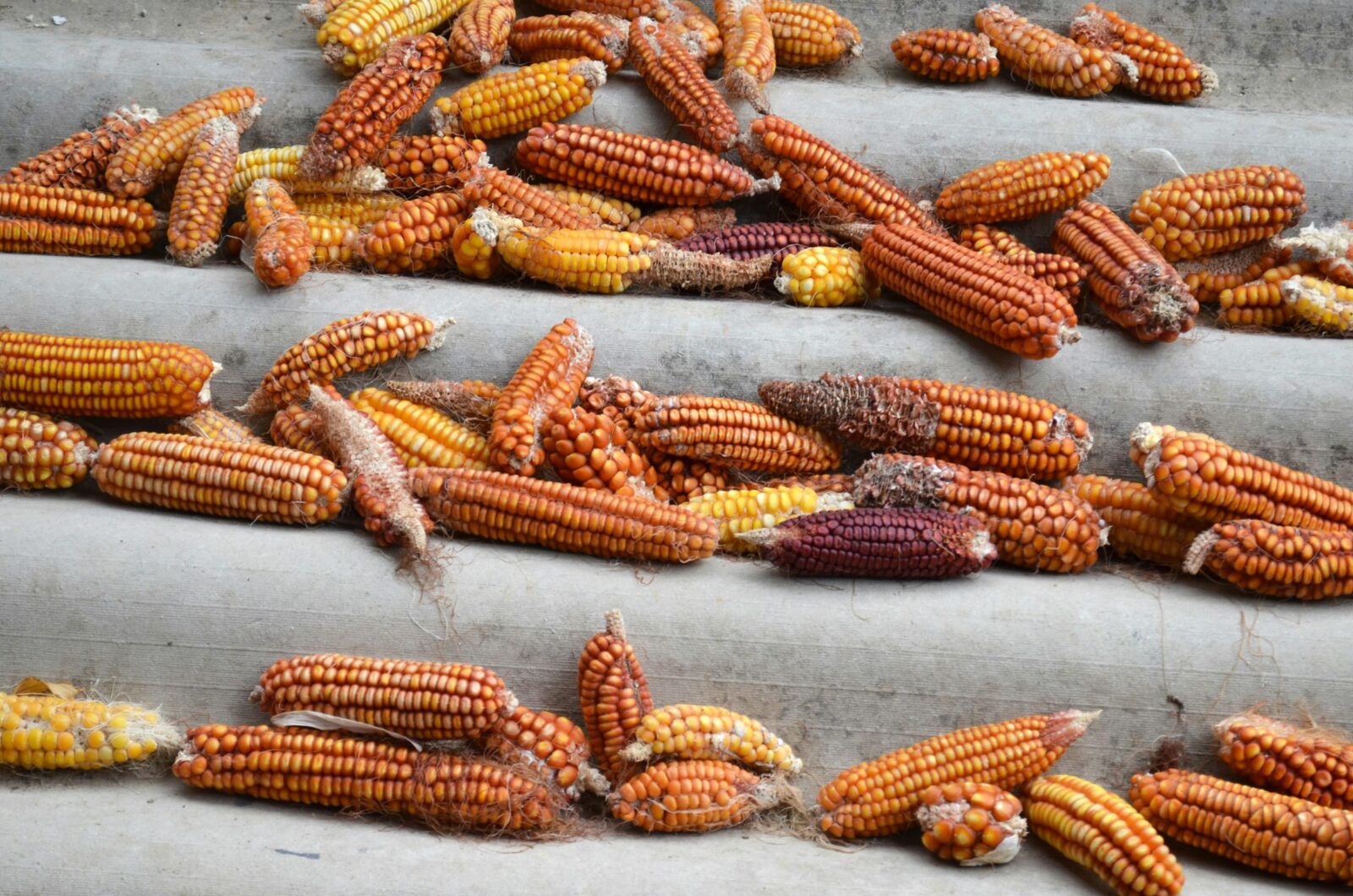
Exploring the Historical Journey of maize Milling Techniques
The conversion of maize from a humble grain to a staple food across cultures has been profoundly influenced by the evolution of milling techniques. Initially, indigenous peoples utilized simple tools such as rocks and wooden mortars to grind maize, a labor-intensive process that required skill and patience. As societies progressed, so did the technology; the introduction of water-powered mills in the Middle Ages significantly increased efficiency, allowing for the mass production of flour. These early innovations not only enhanced food security but also laid the groundwork for a burgeoning trade in maize products, fostering culinary diversity and global exchange.
In modern times, maize milling has embraced cutting-edge technology, including automated systems and precision machinery, revolutionizing the way we process this essential crop. Today’s milling techniques exemplify the delicate balance between tradition and innovation, ensuring that the nutritional value and quality of maize are preserved throughout the process. key advancements include:
- Clean-in-Place Systems: Ensure hygiene and efficiency without disassembly.
- Quality Control Technologies: Utilize sensors for real-time monitoring.
- Energy-efficient Mills: Reduce carbon footprint while maximizing output.
As we delve into the intricate history of maize milling, we can observe a important shift in methods, creating a rich tapestry of practices that reflect the cultural importance of maize across the globe. The juxtaposition of historical and contemporary techniques fosters a deeper appreciation for this versatile grain, revealing not only its adaptability and resilience but also the craftsmanship behind transforming it into a vital food source.

Innovative Technologies Shaping Modern Milling Practices
Modern milling practices have been transformed by a suite of innovative technologies designed to enhance efficiency, sustainability, and product quality. The introduction of high-precision milling equipment allows for meticulous control over grain size and texture, ensuring that every batch meets the desired specifications. Additionally, real-time sensory technology enables millers to monitor moisture levels, grain composition, and temperature, drastically reducing the chances of spoilage and waste. By integrating automated processes and AI-driven analytics, millers can optimize production schedules, minimize downtimes, and predict maintenance needs, creating a more streamlined operation overall.
Moreover, the push for sustainability in milling has resulted in the adoption of practices that not only conserve natural resources but also enhance the nutritional value of maize products. Companies are now utilizing renewable energy sources, such as solar and wind, to power their facilities, reducing their carbon footprint significantly. It is also notable that advancements in biotechnology are being employed to develop maize varieties with improved resistance to pests and diseases, ensuring a more stable supply chain. Transformation in packaging, including the use of biodegradable materials, further reflects the industry’s commitment to environmental stewardship while appealing to a growing consumer base that prioritizes eco-friendliness.
| Technology | Impact |
|---|---|
| High-Precision Milling Equipment | Enhanced control over grain quality |
| Real-time Sensory technology | Monitoring and reducing waste |
| AI-driven analytics | Optimized production and maintenance |
| Renewable Energy Sources | Lower carbon footprint |
| Biotechnology | Improved crop resilience |
| Biodegradable Packaging | Eco-friendly consumer appeal |

Sustainability in Maize Milling: Balancing Efficiency and Environmental Responsibility
In the quest for innovation and sustainability,the maize milling industry is undergoing a significant transformation. Modern milling practices now prioritize energy efficiency and waste reduction, striving to create a harmonious balance between operational productivity and environmental stewardship. To achieve this, many mills are adopting advanced technologies such as energy-efficient machinery and renewable energy sources. These innovations not only reduce the carbon footprint but also improve the overall efficiency of the milling process, allowing for higher yields with lower resource consumption.
Additionally, embracing sustainable practices extends beyond just energy usage; it encompasses the entire milling process. Mills are increasingly focusing on waste management strategies that convert byproducts into valuable resources. As an example, recycling husks and bran into animal feed, or using milling waste for bioenergy production, showcases a commitment to minimizing waste. Consider the following table that outlines some effective methods for improving sustainability in maize milling:
| Method | Description | Benefits |
|---|---|---|
| Energy-efficient Machinery | Utilizing modern equipment that consumes less power. | Reduced energy costs and lower emissions. |
| Waste Recycling | Converting byproducts into animal feed or bioenergy. | Minimized waste and created additional revenue streams. |
| Water Conservation | Implementing systems to reduce water use in milling. | Less resource dependency and improved sustainability. |
By blending technological advancements with eco-friendly practices,maize milling not only enhances its efficiency but also plays a pivotal role in fostering a sustainable future. The industry is thus redefining its impact, transforming challenges into opportunities that benefit both business and the planet.

Empowering Communities: the Socioeconomic Benefits of Local Milling Operations
The emergence of local milling operations has become a crucial asset for communities, fostering economic resilience and self-sufficiency. By sourcing maize, a staple crop, directly from local farmers, these mills create a sustainable supply chain that benefits everyone involved. Job creation is one of the most significant advantages,as local mills employ community members,reducing unemployment and enhancing skill levels through training programs. Additionally, local milling promotes financial circulation within the community, as profits are reinvested locally, empowering small businesses and stimulating growth.
Moreover, the socioeconomic impact extends beyond mere employment and economic flow. Local milling operations can enhance food security, as they provide communities with access to freshly milled products, reducing dependence on imported goods. This not only supports local agriculture but also preserves conventional practices and local cultures related to maize cultivation and processing. Consider the following benefits:
- Access to Fresh products: Locally milled maize retains nutritional value and flavor.
- Reduced transportation Costs: nearby milling decreases the carbon footprint associated with food transport.
- Community Engagement: Local mills often organize events that foster collaboration among farmers and consumers.
| Benefit | Description |
|---|---|
| Economic Empowerment | Strengthens local business through job creation and sustaining livelihoods. |
| Food Security | Ensures availability of fresh, locally sourced products for communities. |
| Cultural Preservation | Encourages the continuation of traditional practices related to maize milling. |
Concluding Remarks
As we draw the curtain on our exploration of maize milling in today’s world,it is indeed clear that this age-old practice has transformed into a tapestry of innovation and artistry.The rhythmic hum of milling machines echoes the heartbeat of a global industry that not only nourishes communities but also supports economies. From sustainable farming practices and technological advancements to the preservation of cultural heritage, maize milling is not just about processing grains; it’s about unlocking potential at every turn.
In our diverse landscape, each kernel tells a story, each milling technique reflects a tradition, and every grain holds the promise of a brighter future. As we continue to navigate the challenges and opportunities within this vital sector, let us celebrate the creativity and resilience that define the art of maize milling. The journey does not end here; it is a call to action for innovators, farmers, and consumers alike to engage with and elevate this essential craft, ensuring that the legacy of maize milling flourishes for generations to come.