From Farm to Factory: The Journey of Corn processing
In the heart of the American Midwest, sprawling fields of golden corn sway gently under the sun, their kernels brimming with potential. This humble crop, a staple of agriculture, embarks on an extraordinary journey once harvested, transforming from mere plants into myriad products that fill our pantries, fuel our vehicles, and even enrich our industrial applications. The path from farm to factory is not just a physical transition; it is indeed a complex process involving meticulous cultivation, technology, and innovation. As we explore the engaging journey of corn processing, we will uncover the steps that turn a field of maize into the versatile ingredient that shapes our food systems, economy, and daily lives. Join us as we delve into the intricate web connecting farmers, processors, and consumers, revealing the unsung journey behind one of the world’s most impactful crops.
Exploring the Agricultural Foundations of Corn Production
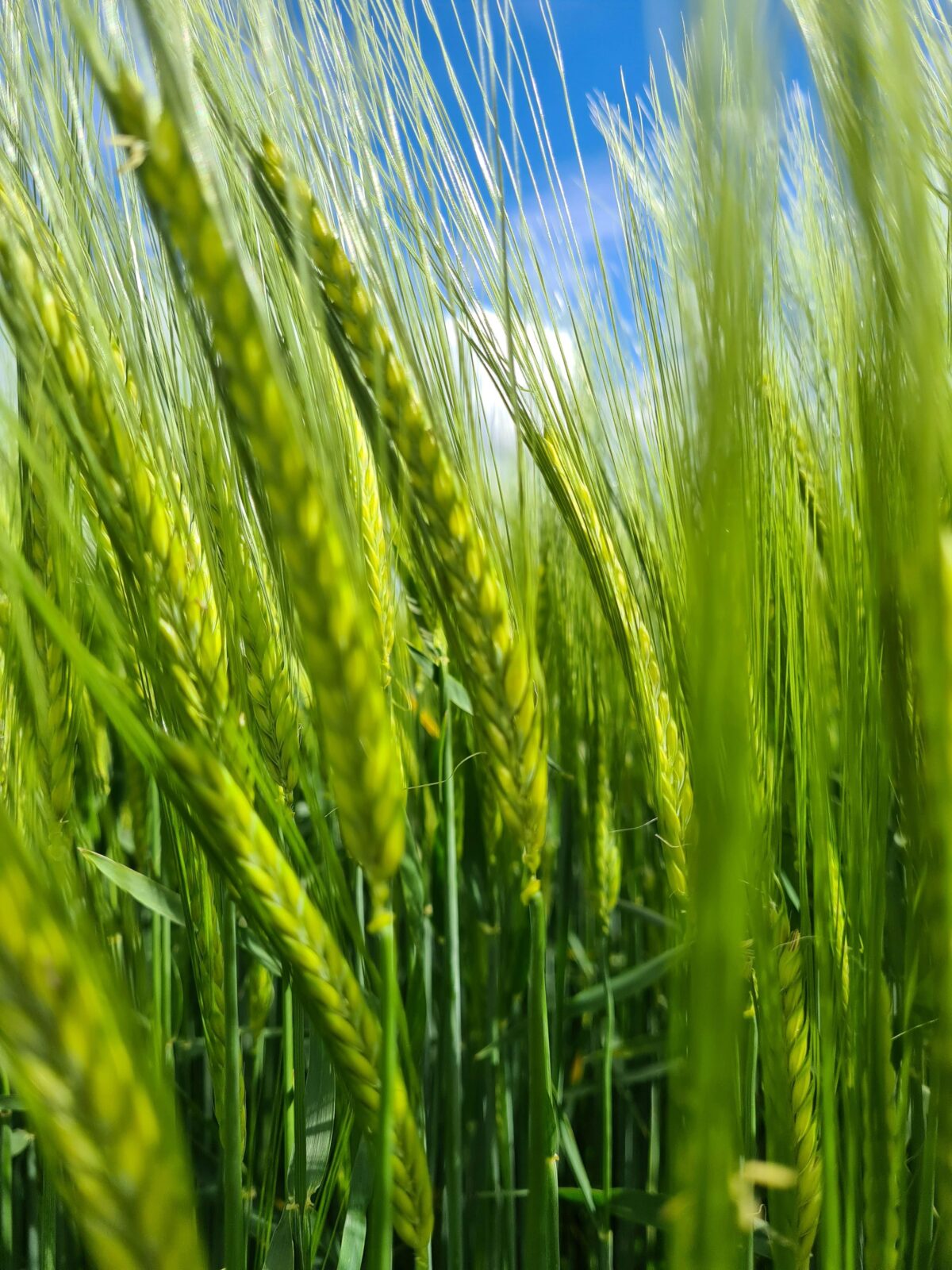
Corn’s journey begins on the fertile fields where it is indeed meticulously cultivated. Farmers utilize a variety of methods to ensure optimal growth, ranging from customary techniques to modern innovations. The selection of specific corn varieties plays a crucial role in maximizing yield and ensuring quality. This process involves:
- Soil Planning: Testing and enriching the soil with essential nutrients.
- Crop Rotation: Alternating crops to maintain soil health.
- Pest Management: Employing both organic and chemical solutions to protect crops.
Once harvested, corn undergoes a meticulous processing journey that transforms it into various food products and industrial materials. The processing steps are designed to maintain the corn’s nutritional value while ensuring safety for consumption. Key stages include:
| Processing Stage | Description |
|---|---|
| Drying | Reducing moisture content for long-term storage. |
| Milling | Grinding corn into flour or meal for food production. |
| Fermentation | Transforming corn into ethanol or biofuel. |
Understanding the Corn Processing Techniques in factories
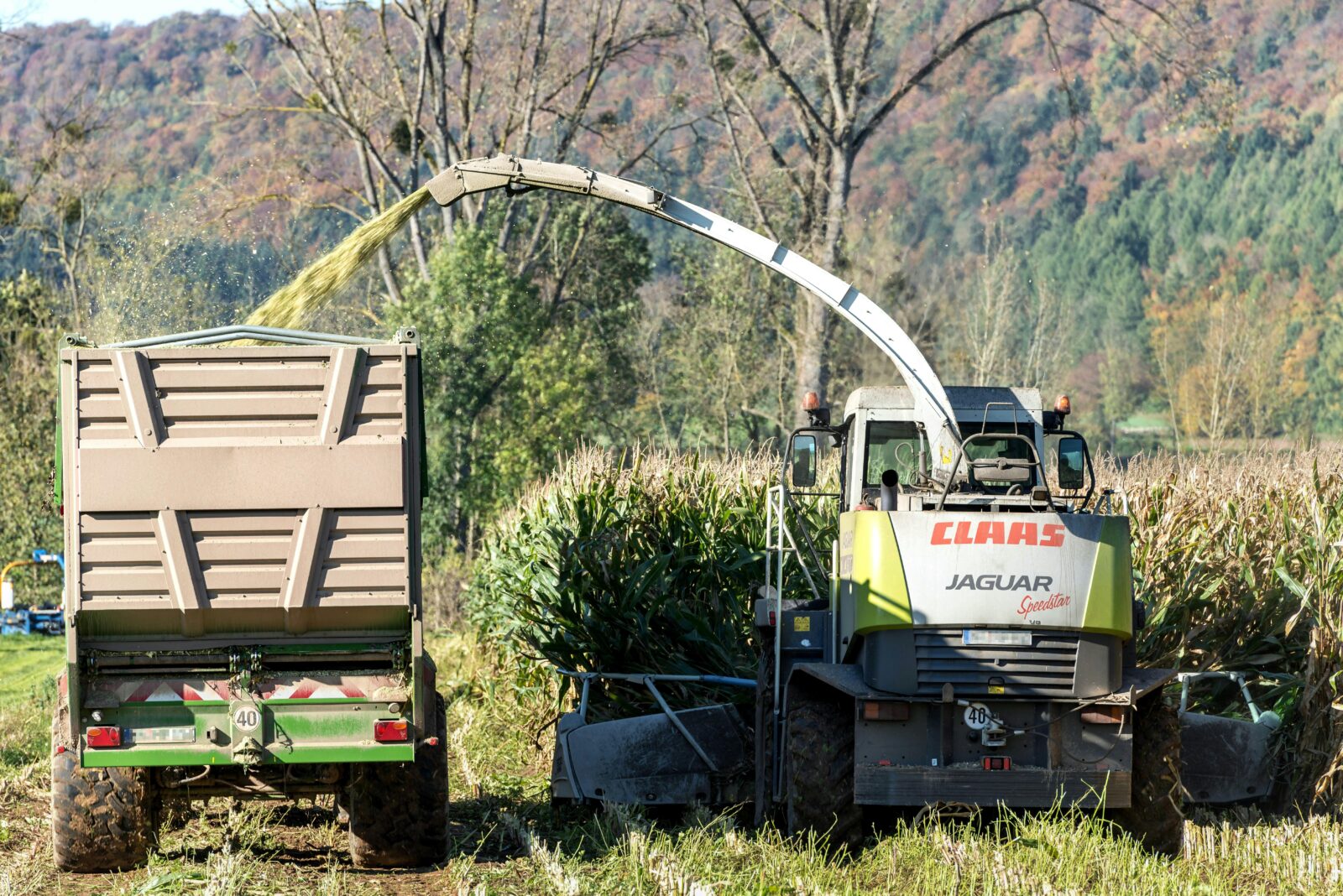
the journey of corn from the farm to the factory involves several intricate processing techniques that transform raw kernels into valuable products. Once harvested,the corn is typically taken to a processing facility where it undergoes a series of steps designed to maintain quality and maximize efficiency. These steps may include:
- Cleaning: Impurities such as dirt, leaves, and stones are removed to ensure only the highest quality corn enters the processing line.
- Drying: Moisture levels are controlled to prevent spoilage, utilizing specialized drying equipment.
- Shelling: The kernels are separated from the cob, setting the stage for further processing.
Following these initial steps, corn may be subjected to various processing techniques based on its intended use. Among the most common methods are:
- Milling: Corn is ground to create flour or cornmeal,which serves as a staple ingredient in many recipes.
- fermentation: This process produces ethanol and other byproducts, capitalizing on corn’s natural sugars.
- Extrusion: the corn is cooked and shaped into snacks or breakfast cereals, frequently enough incorporating flavors and additional nutrients.
here’s a simple table illustrating the final products created from corn processing:
| Product type | Description |
|---|---|
| Cornstarch | A fine, white powder used as a thickener in cooking. |
| Corn Syrup | A sweet syrup used in baking and food production. |
| Animal Feed | A nutritious component used for livestock, derived from corn’s byproducts. |
Evaluating nutritional and Economic Impacts of Processed Corn
Processed corn is a staple in many food products, but a closer examination reveals a complex interplay between nutritional value and economic implications. On one hand, the refinement of corn into various products such as corn syrup, cornmeal, and corn oil leads to greater accessibility and convenience for consumers. However, certain processing methods strip corn of essential nutrients. Some of the key nutritional aspects include:
- Vitamin loss: High-temperature processing can reduce levels of B vitamins.
- Fiber content: Whole corn offers dietary fiber that is frequently enough lost during milling.
- Caloric density: Processed forms, like corn syrup, are calorie-dense yet provide little to no nutritional benefits.
From an economic viewpoint, the impact of corn processing is multifaceted. the profitability of corn-based products has led to an expansion in the agricultural sector, fostering job creation and stimulating local economies. However, this growth is not without consequences, such as increased dependency on monoculture farming practices and fluctuating market prices. The table below illustrates the economic factors linked to processed corn:
| Economic Factor | Impact |
|---|---|
| Job Creation | Boost in agricultural and manufacturing jobs. |
| Market Price Volatility | Fluctuations based on supply and demand. |
| Dependence on Subsidies | government support can distort true economic value. |
Sustainable practices in Corn processing: A Guide for the Future
As the corn processing industry evolves, sustainable practices have emerged as crucial components of a resilient future. By integrating environmentally-friendly techniques, processors are not only reducing their carbon footprint but also setting standards for sustainability that can be replicated across agricultural sectors. As an example, innovative methods such as precision agriculture utilize data analytics to optimize crop yields while minimizing resource waste. Additionally, the incorporation of cover cropping and reduced tillage practices helps maintain soil health and sequester carbon, ensuring that the land can sustain corn production for generations to come.
Moreover, the adoption of energy-efficient technologies within processing facilities plays a vital role in enhancing sustainability. By implementing renewable energy sources such as solar and wind, factories can considerably decrease their reliance on fossil fuels. The alignment of production processes with circular economy principles, such as reusing byproducts, further supports sustainability goals.Here are some key practices that aid in creating a more sustainable corn processing industry:
- Water conservation techniques: Implementing advanced irrigation systems to reduce water usage.
- Waste reduction strategies: Recycling and repurposing byproducts like corn husks and stalks.
- Supply chain optimization: Collaborating with local farmers to minimize transportation emissions and promote local economies.
Wrapping Up
As we conclude our exploration of the journey from farm to factory in the corn processing industry, it becomes clear that this vibrant yellow grain is much more than a simple staple of our diets. Each kernel embodies a story of collaboration between nature and technology, tradition and innovation. From the sun-soaked fields swaying gently in the breeze to the sleek processing plants humming with activity, corn undergoes a transformation that highlights the intricate web of agriculture and industry.
This journey is one of resilience—corn, a crop that has fed generations, evolves through methods honed over centuries, adapting to the needs of a changing world. Whether being used as animal feed, biofuel, or a key ingredient in our favorite snacks, the pathways forged in its processing speak to the interconnectedness of our food systems and the economy.
As we continue to delve deeper into the complexities of food production, let us appreciate the remarkable journey of corn, a testament to human ingenuity and nature’s bounty. The next time you enjoy a meal that features this versatile grain, take a moment to reflect on the labour and passion that brought it from farm to factory and ultimately to your table. The story of corn processing is a celebration of the journey, a reminder of the cycles that nourish us, and an invitation to be mindful consumers in a world that thrives on collaboration.