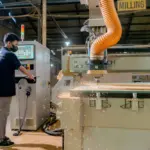
Unlocking Efficiency: The Transformative Power of Rice Milling Machines
In a world that increasingly values efficiency and sustainability,the agricultural sector is undergoing a profound change.Among the components of this evolution, rice milling machines stand out as unsung heroes, revolutionizing the way one of the globe’s most essential food staples is processed. For centuries, the labor-intensive methods of rice milling have posed significant challenges, limiting productivity and posing risks to food security. Though, the advent of modern milling technology has ushered in a new era, where precision and efficiency harmonize to unlock the full potential of rice production. This article delves into the mechanics of rice milling machines, exploring their myriad benefits, the technological advancements driving their evolution, and the impact they have on farmers and consumers alike. As we uncover the transformative power of these machines, we will also reflect on their role in crafting a sustainable future for global food systems. Join us on this journey to understand how a simple yet complex machine is reshaping the landscape of agriculture.

Understanding the Mechanisms Behind Modern Rice Milling Machines
The efficiency of modern rice milling machines is rooted in their sophisticated design and cutting-edge technology. these machines employ a multi-stage process that begins wiht the cleaning of the rice grains to remove impurities such as sand, stones, and husks. After cleaning, the grains undergo dehusking, which separates the outer husk from the rice kernel without damaging the grain itself. This is typically achieved through the use of rubber rollers, which rotate at different speeds to prevent excessive pressure and ensure a gentle yet effective removal process. Following dehusking, the rice is subjected to polishing, where a fine layer of bran is removed to enhance the appearance and texture while also improving cooking quality.
The technology integrated into these milling machines allows for precise adjustments based on the desired final product.Features such as automatic temperature control and moisture content measurement enhance the milling process by optimizing conditions for each stage. Additionally, modern machines frequently enough include destoners and silk-removing systems that further refine the rice quality. These advancements culminate in a system designed for maximum productivity and minimal waste, offering rice mill operators a competitive edge in the market. Key benefits of these processes include:
- Increased yield: Higher percentages of whole grains.
- enhanced quality: Improved appearance and taste.
- Reduced labor costs: Automation streamlines operations.

Enhancing Productivity Through Technological innovations
In the evolving landscape of agriculture, rice milling machines stand out as a beacon of innovation, paving the way for significant productivity enhancements in the farming sector. These machines automate the often tedious and time-consuming processes involved in rice processing, transforming raw grains into ready-to-use products with minimal manual intervention. By reducing the reliance on labor-intensive methods, rice milling technology not only accelerates production rates but also ensures consistency in quality, which is essential for meeting market demands. With features such as multi-stage processing, energy efficiency, and advanced safety systems, these machines revolutionize traditional operations, allowing farmers to focus on scaling their businesses.
Moreover, the integration of digital tools within rice milling operations further enhances efficiency and productivity. Modern machinery often comes equipped with smart technology that includes monitoring systems and data analytics capabilities, enabling farmers to track their production in real-time. This data-driven approach allows for informed decision-making and proactive management of resources.Some notable advantages of utilizing such technological innovations include:
- Reduced Operating costs: Automation lowers labor costs and minimizes waste.
- Increased Output Quality: Consistent milling processes promote higher grain quality.
- Time Savings: Faster processing translates to shorter lead times for market delivery.
- Sustainability: Efficient energy use contributes to environmentally pleasant practices.
To illustrate the impact of these innovations, consider the following comparison of traditional vs. modern rice milling capabilities:
| Aspect | Traditional Milling | Modern Milling Machines |
|---|---|---|
| Labor Requirements | High | Low |
| Processing Time | Long | Fast |
| Quality Control | Variable | Consistent |
| Energy Consumption | High | Optimized |
Embracing these technological advancements in rice milling not only increases the efficiency of the production process but also plays a crucial role in transforming the entire agricultural sector, enabling farmers to thrive in a competitive marketplace.
Minimizing Waste and Maximizing Quality in Rice Processing
In the realm of rice processing, the pursuit of reducing waste while enhancing the overall quality of the final product involves innovative approaches and advanced technology. By integrating state-of-the-art rice milling machines, processors can achieve unprecedented levels of efficiency.These machines are built with precision technology that ensures each grain is processed with care,leading to minimal breakage and maximum yield. Key features such as automatic loading, real-time monitoring, and customizable milling settings help in optimizing the milling process.
Furthermore, employing these advanced machines allows for better control over the milling environment, which directly influences the quality of the output. For example, machines equipped with dust collection systems not only help in maintaining cleanliness but also mitigate losses that occur due to waste. A streamlined milling process can result in:
- Higher Nutritional Retention: Minimizing nutrient loss during processing.
- Improved Grain Quality: achieving a higher percentage of whole grains.
- Reduction of By-products: Efficient use of grains reduces waste.
| Machine Feature | Benefit |
|---|---|
| real-time Monitoring | Immediate adjustments for optimal output |
| Automated Systems | Reduces manual errors and increases speed |
| Energy Efficiency | Lower operational costs and environmental impact |
Investing in advanced rice milling technology not only enhances productivity but also fosters sustainability in rice processing. The focus on reducing waste paired with a commitment to quality ensures that processors can meet the demands of both consumers and the market while protecting natural resources. With the right machinery, the future of rice milling is bright, paving the way for both economic growth and environmental stewardship.
Strategic Considerations for Choosing the Right Milling Equipment
When selecting milling equipment, it’s essential to consider the specific production needs and operational dynamics of your facility. The type of rice, as an example, plays a significant role in determining which milling machine will yield the best results. If you cater to different rice varieties, opt for versatile equipment that can adjust to different processing requirements without significant downtime. Additionally,scalability is crucial; choose machines that can grow along with your production demands. This allows your setup to adapt as market conditions and consumer preferences change, ensuring you remain competitive.
Another vital factor is energy efficiency, which not only reduces operational costs but also supports sustainable practices. Modern machines come equipped with energy-saving technologies that minimize waste. Furthermore, technical support and training from the manufacturer can significantly influence your choice. Ensuring that your operators fully understand the milling equipment enhances productivity and reduces the risk of costly errors.Here’s a swift comparison of key features you might evaluate when selecting your milling equipment:
| Feature | Importance | Considerations |
|---|---|---|
| Energy Efficiency | Low operating costs | Modern technologies; inverter options |
| Versatility | Adaptability to rice varieties | Adjustable settings; multi-functional capabilities |
| Technical Support | Minimized downtime | Manufacturer’s training; service availability |
By taking into account these considerations,you can make a more informed decision that maximizes the operational efficiency and output of your rice milling facility. Each element aligns to ensure that you not only meet current demands but also foster long-term growth and innovation in your milling operations.
To Conclude
As we draw the curtains on our exploration of rice milling machines, it becomes evident that these remarkable pieces of technology are much more than mere tools; they are catalysts for change in the agricultural landscape.The transition from traditional to modern milling methods not only augments efficiency but also empowers farmers, fosters sustainability, and enhances food security. As we look to the future,the potential for further innovations in this field holds promise,inviting stakeholders to embrace new methodologies and,ultimately,a more resilient food supply chain.
In a world where resource optimization is paramount,the transformative power of rice milling machines stands as a beacon of progress. They illuminate the path toward a more efficient agricultural sector, ensuring that communities can thrive and prosper. By unlocking the potential of these machines, we not only celebrate a rich tradition of rice cultivation but also pave the way for a sustainable future. As we continue to explore advancements in technology within agriculture, let us cherish the role these machines play in honoring our past while shaping our future.