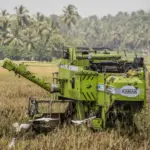
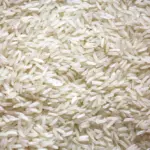
In a world increasingly challenged by the dual pressures of a growing population and climate change, the quest for enduring food sources has never been more urgent. Among the staple crops that underpin global nutrition, rice stands out not just as a dietary cornerstone for billions, but also as a landscape for innovation. Enter the realm of cutting-edge rice processing equipment, where ingenuity and technology converge to transform simple grains into vital sustenance. This article delves into the transformative journey of rice—from its humble beginnings in verdant fields to its role as a catalyst in the fight against food insecurity. By exploring the latest advancements in processing technology, we will uncover how these innovations are not only enhancing rice production efficiency but are also reshaping the future of global food security.Join us as we trace the path from grain to gold, revealing how every kernel processed carries the potential to nourish communities and bolster economies around the world.
Revolution or Rhetoric: Dissecting the Real Impact of High-Tech Rice Processing on Food Security
High-tech rice processing equipment certainly promises a transformative impact on food security, yet discerning the real benefits from the mere rhetoric necessitates a critical analysis of several factors. Consider the following distinctions:
- Efficiency vs. Accessibility: While complex processing technology can dramatically enhance productivity, it often requires significant investment. This raises questions about accessibility for smallholder farmers who produce a large share of global rice. If only large agribusinesses can afford these advancements, will the gap between rich and poor farmers widen?
- Quality vs. Nutritional Value: Technological advancements focus heavily on productivity and yield quality,often sidelining nutritional benefits. The adoption of high-tech processing might lead to rice that looks appealing but lacks essential micronutrients. Thus, trade-offs exist between aesthetic quality and health outcomes, a reality that can undermine broader food security goals.
Furthermore, stakeholders must be cautious about over-relying on technology as the sole solution to food insecurity. Narrowing our focus to these trade-offs reveals several nuanced recommendations:
| Recommendation | Rationale |
|---|---|
| Invest in training for smallholders | Empowering local farmers with knowledge ensures equitable access to technological advancements, thus mitigating inequalities. |
| Combine technology with biofortification | Enhancements in taste and appearance should not eclipse the need for nutritional fortification, working to ensure rice contributes to holistic health. |
By embracing these insights, we can critique the prevalent assumption that mere technological advances will herald a new age of food security, and instead cultivate a more inclusive and sustainable framework that truly addresses the complexities of global food systems.

The Invisible Cost of Innovation: Assessing Environmental trade-Offs in modern Rice Milling Techniques
While the advancements in rice milling technology promise increased efficiency and reduced operational costs, a thorough examination reveals a troubling dichotomy: the environmental impact of these innovations often goes overlooked. As an example,the shift towards energy-intensive milling processes,such as mechanized parboiling and high-capacity mills,can lead to increased carbon emissions and resource consumption. Key considerations include:
- Energy Efficiency: New technologies may offer higher throughput but often rely on fossil fuels that exacerbate climate change.
- Water Usage: Innovative methods, notably those using water in processing, raise concerns about local water scarcity, especially in regions already facing drought conditions.
- Waste Generation: While some milling technologies claim to reduce waste, they can inadvertently produce more biomass byproducts, which, if not properly managed, contribute to landfill issues or emissions when burned.
Thus, it is crucial for stakeholders to adopt a holistic mindset when assessing the long-term sustainability of rice milling innovations. Engaging in life-cycle analysis can facilitate smarter decisions that prioritize not just economic benefits but also environmental stewardship.Emphasizing sustainable practices, such as energy-efficient machinery and eco-amiable waste management solutions, can mitigate harmful consequences. Furthermore, partnerships between millers and local governments to invest in renewable energy sources or sustainably sourced materials can create a balanced approach to innovation, aligning economic goals with ecological responsibility. The real question remains: can we truly reap the rewards of innovation without paying the cost of environmental degradation?
Beyond hype: Evaluating the Paradox of Efficiency Gains in Rice Processing Against Global nutritional Needs
The intersection of efficiency in rice processing and global nutritional needs presents a complex paradox that warrants careful evaluation. While advancements in rice processing technology have significantly increased output and reduced post-harvest losses, these gains often come at a perilous trade-off—nutritional quality.It’s essential to recognize that processing techniques such as polishing and milling, while enhancing the shelf life and aesthetic appeal of rice, can also strip away vital nutrients. This raises critical questions for food security stakeholders, who must balance the dual objectives of economic efficiency and nutritional adequacy:
- Efficiency vs. Nutritional Quality: A focus on optimizing throughput may lead to reliance on highly processed rice varieties that lack essential micronutrients.
- Consumer Preferences: Ther’s a growing demand for whole grain products, indicating that businesses may need to pivot towards value-added processing methods that preserve nutritional content.
- Regional Variability: Diverse nutritional needs across different populations necessitate tailored processing strategies rather than a one-size-fits-all approach.
To achieve a holistic improvement in global food security, stakeholders must adopt a nuanced framework that prioritizes both efficiency gains and nutritional outcomes. One potential pathway is the advancement of innovative processing equipment that can minimize nutrient loss while still operating at optimal efficiency. As a notable example, integrating technologies that allow for minimally invasive milling can definitely help retain more of the grain’s natural nutrients. Additionally, fostering partnerships between technology developers and nutritional scientists could pave the way for novel processing methodologies that address both productivity and health concerns:
| Processing Technique | Nutritional Impact |
|---|---|
| Traditional milling | High losses of B vitamins and fiber |
| Parboiling | Retains more nutrients, enhances storage |
| Advancements in milling technology | Reduced nutrient loss |
Such strategies emphasize the importance of local context: policymakers must ensure that investments in rice processing technologies come with regulatory support aimed at maintaining nutritional standards while reinforcing efficiency. Short-term gains in revenue should not eclipse the long-term implications for public health—after all, a truly secure food system is not merely one that is productive but also one that nourishes the population effectively.
Smart Solutions or Short-Sighted Fads: Rethinking the Future of Rice processing Equipment in Sustainable Agriculture
While innovative rice processing equipment plays a pivotal role in enhancing efficiency and productivity, it’s crucial to discern between genuinely transformative solutions and fleeting trends. The current wave of mechanization frequently enough promotes the narrative of sheer efficiency, yet this overlooks a broader context: sustainability. Technologies such as integrated milling systems and solar-powered fleets present remarkable opportunities for reducing carbon footprints and resource wastage. Still, these advancements come with trade-offs; such as, the initial investment and maintenance costs can hinder adoption among smallholders who represent a significant portion of rice producers.Therefore, policymakers and practitioners must prioritize smart investments by championing equipment that not only maximizes yield but also aligns with environmental stewardship and equity.
In reconsidering the future of rice processing equipment, it is imperative to challenge predominant assumptions around scaling up production without sustainable practices. Companies are often lured into adopting the latest high-tech solutions based on the premise of profitability, neglecting how such machinery may exacerbate socioeconomic divides or worsen environmental degradation. A nuanced approach should involve developing modular, scalable systems tailored to varying farm sizes, focusing on local resources and community capabilities. The table below provides a clear distinction between sustainable practices and short-sighted investments:
| Approach | Sustainable Practices | Short-Sighted Investments |
|---|---|---|
| Equipment Design | Modular, repairable | Complex, single-use machinery |
| Resource Utilization | Renewable energies, local sourcing | Reliance on fossil fuels, imports |
| Community Engagement | training and education initiatives | Top-down implementation |
Thus, the future of rice processing should embrace a balanced combination of technological innovation, economic viability, and ecological consciousness, ensuring that advancements contribute to a resilient agricultural system rather than a transient fad.
Future Outlook
the journey from grain to gold is more than a mere transformation; it is a revolution fueled by innovation and dedicated to securing our global future.As we harness the power of advanced rice processing equipment, we are not only optimizing production efficiency but also embracing sustainability and inclusivity in the food supply chain. With every kernel transformed, we take a step closer to alleviating hunger and enhancing food security across the world. As we look ahead, it is indeed imperative to continue leveraging technology and fostering collaboration to ensure that every grain of rice can truly become a golden opportunity for livelihoods and nourishment. In this dynamic landscape, the potential to reshape global food security lies in our hands—ready to be realized, cultivated, and celebrated.