In the heart of agrarian economies, where the golden grains of rice paint the fields, the shift towards small-scale production has become a pivotal movement for budding entrepreneurs and local farmers alike. mini rice mill plants are emerging as essential assets, offering a blend of efficiency, sustainability, and profitability. These compact setups not only empower individuals to process thier harvests but also foster local economies and reduce dependency on large-scale milling operations. In this article, we will delve into the intricacies of understanding mini rice mill plants, exploring the myriad benefits they bring, providing a comprehensive setup guide, and highlighting key considerations to keep in mind for accomplished small-scale production. Whether you are a seasoned farmer looking for new ventures or an aspiring entrepreneur ready to embark on a journey in the rice milling industry, our guide will equip you with the knowledge needed to navigate this rewarding field. Join us as we uncover the potential of these miniature powerhouses and their role in transforming the agricultural landscape.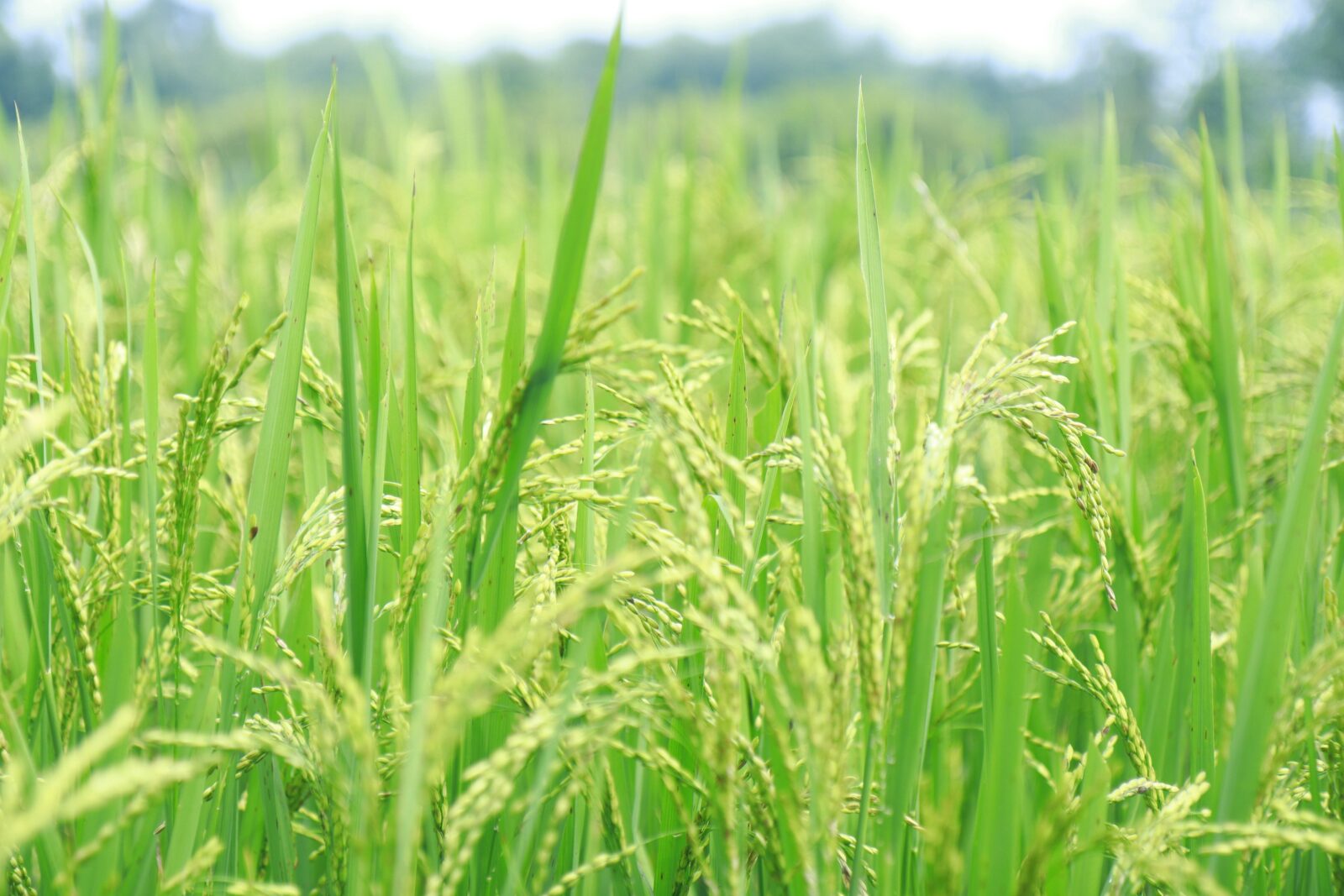
Exploring mini rice mill Plants: A Comprehensive Introduction to Small-Scale Production
mini rice mill plants are compact, efficient machines designed specifically for small-scale rice production. By utilizing these plants,entrepreneurs can process paddy into polished rice,catering to local markets and small retailers. the core components of a mini rice mill typically include:
- Pre-cleaner: Removes impurities such as stones and dust from raw rice.
- Husk separator: Separates the husk from the rice grains.
- Milling machine: Grinds the rice to the desired degree of fineness.
- Sifting unit: Ensures that only high-quality rice reaches the final product.
These machines are generally powered by electric motors, making them accessible to small business owners interested in entering the rice milling industry.
The benefits of setting up a mini rice mill plant are numerous. Firstly,low initial investment costs attract small-scale entrepreneurs,allowing them to enter the market without notable financial strain. Moreover, local sourcing of paddy can reduce operational costs and foster community relationships. However, challenges exist, including scalability and competition from larger mills. For effective management, it’s advisable to conduct a thorough market analysis, evaluate the quality of raw materials, and focus on establishing strong distribution channels. Furthermore,potential mill operators should consider the following recommendations:
- Invest in quality machinery with a good warranty.
- Stay informed about market trends and consumer preferences.
- Engage in regular maintenance to ensure efficiency and longevity of the equipment.
By doing so, entrepreneurs can optimize their profit margins while contributing positively to the local economy.
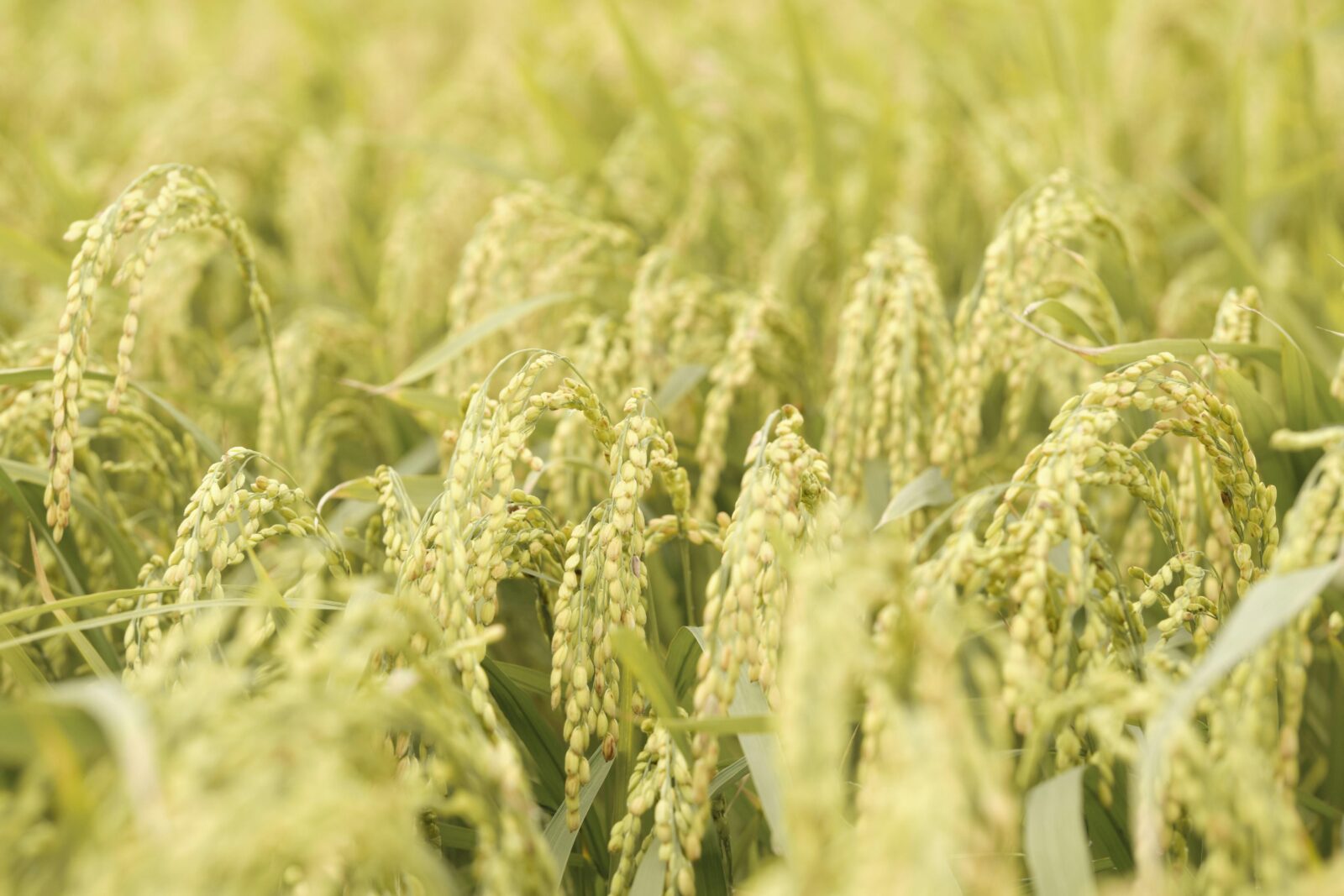
Unlocking the Advantages of Mini Rice Mill Plants for Aspiring Entrepreneurs
mini rice mill plants offer numerous advantages for aspiring entrepreneurs looking to enter the rice processing industry with a manageable investment. These plants are typically designed for small-scale operations, making them an attractive option for individuals who want to start a business without the large capital outlay associated with full-scale milling facilities. The key benefits include:
- Lower initial investment: Mini rice mills require significantly less capital compared to traditional rice milling setups,making them accessible to a broader range of entrepreneurs.
- Compact size: These plants can fit into smaller spaces, which reduces overhead costs related to land and facility maintenance.
- Ease of operation: Mini rice mills are generally user-kind, allowing individuals with minimal technical know-how to operate and manage the machinery effectively.
- Adaptability in production: Entrepreneurs can quickly adapt their operations to meet varying local demands,processing small batches or larger amounts of rice as needed.
Though, there are also challenges that new business owners should consider. Competition from larger mills and established players in the market can pose difficulties, but focusing on unique selling propositions, such as organic or locally sourced products, can help mitigate this risk. Additionally, entrepreneurs should keep an eye on the market demand for value-added products, such as rice bran oil or puffed rice, which can enhance profitability. For those considering setup, it is advisable to compare different mini rice mill models based on performance, efficiency, and maintenance requirements. Seeking recommendations from existing operators and understanding the local supply chain will also contribute to a successful business launch. Investing in continuous education and market research will further strengthen the potential of a mini rice mill venture.
Navigating the Setup Process: Essential Steps for Establishing Your mini rice mill
Establishing a mini rice mill requires careful planning and adherence to a series of essential steps that can streamline the process and ensure successful operation. Begin by conducting a thorough feasibility study to assess the market demand, local rice supply, and competition in your area. This study should inform your business plan,which will outline your goals,target market,and financial projections. Once the groundwork is laid, focus on acquiring the necessary machinery and technology. Key components of a mini rice mill include:
- Rice Huller: This machine removes the outer husk from the rice grain.
- Rice polisher: It enhances the appearance and quality by polishing the grains.
- Grain Cleaner: This ensures that the raw rice is free from impurities.
- Separator: Used for sorting different grades of rice.
- Packaging Equipment: Essential for branding and sale.
After acquiring the machinery, you must secure a suitable location for your mini rice mill. Look for areas with high accessibility to both suppliers and customers. The site should have adequate space for installation, storage, and future expansion. Additionally,understanding the regulatory requirements is crucial. Apply for necessary permits and licenses in your jurisdiction to avoid legal complications. Once the setup is complete,focus on training staff on operation and maintenance. Regular training can prevent machinery breakdowns,ensuring a steady production flow. Consider implementing a quality control system to monitor the production process consistently, which helps maintain the quality of the rice milled and builds customer trust.
Debunking Common Myths: What You Need to Know Before Investing in a mini rice mill
When considering the investment in a mini rice mill, it’s crucial to separate fact from fiction. One common myth is that mini rice mills are primarily suitable only for large-scale operations. In reality, these mills are designed with small to medium-sized businesses in mind, making them an excellent choice for local entrepreneurs. They offer an affordable entry point into rice milling with lower operational costs compared to traditional, larger mills. key advantages include:
- Space Efficiency: Mini rice mills are compact and can fit into smaller production spaces.
- Lower investment: Initial costs are significantly reduced, making them accessible for start-up capital.
- Easy Operation: Many mini mills come with user-friendly interfaces, requiring minimal training.
Another misconception is that the quality of rice produced by mini mills is inferior to that from larger units. In fact, advancements in milling technology have enabled mini rice mills to produce high-quality, well-processed rice.However, potential buyers should be aware of certain challenges, such as maintenance needs and the selection of the right milling equipment. it’s essential to compare different models and their specifications before investing. Here’s a brief comparison to consider:
| Features | Mini Rice Mill | Traditional Rice Mill |
|---|---|---|
| initial Cost | Low | high |
| Space Requirement | Compact | Large |
| Output Capacity | Moderate | High |
| Quality of Rice | High | Very High |
by understanding these myths and facts, prospective investors can make informed decisions that align with their business goals and financial capabilities.
insights and Conclusions
As we conclude our exploration of mini rice mill plants, it’s clear that these innovative setups offer a promising avenue for small-scale production in the agricultural sector. By understanding the benefits they bring—ranging from enhanced efficiency to cost-effectiveness—you are better equipped to make informed decisions about entering this niche market.
The setup guide we’ve provided serves as a roadmap, guiding aspiring entrepreneurs through the essential steps to establish a successful rice milling operation.Remember, the journey does not end with installation; continuous learning, adaptation, and attention to quality will be key to thriving in this competitive landscape.
As you embark on this venture, keep in mind the key considerations we’ve outlined—market research, equipment choice, and operational management are just a few elements that can make or break your success. We hope this article has illuminated the potential of mini rice mills and sparked inspiration for your own entrepreneurial ambitions. Here’s to harnessing the power of technology and innovation in agriculture, paving the way for a enduring future in rice production—one grain at a time.