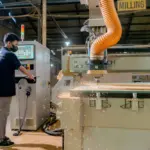
In the world of grain processing, efficiency is the linchpin that drives productivity and profitability. With rice being a staple food for over half of the global population, the machinery used to mill this vital crop plays a crucial role in ensuring quality and yield. Selecting the right industrial rice milling machine is not merely a matter of preference; it is an essential decision that can significantly impact operational effectiveness and the overall success of rice production.As the industry evolves with advancing technology and innovative designs, navigating the complex landscape of milling machines can be overwhelming. In this complete guide, we will demystify the selection process, exploring the key features and considerations that will help you maximize efficiency in grain processing. Whether you are an established miller or venturing into rice milling for the first time, this article aims to equip you with the knowledge needed to make informed choices, ultimately leading to optimal processing and enhanced productivity. Join us as we delve into the intricate world of rice milling machinery, and uncover the secrets to maximizing efficiency for your operations.
Maximize Efficiency and Reduce Costs: A Comprehensive Guide to Choosing the Right Industrial Rice Milling Machine for Your Operations
Choosing the right industrial rice milling machine involves several practical considerations that can significantly impact efficiency and cost-effectiveness. Begin by assessing the specific needs of your operations—consider factors such as production capacity, desired degree of milling, and the types of rice you process. Don’t overlook technological components that could enhance your operations, such as:
- Automated Systems: Reduce labor costs and minimize human error.
- Energy Efficiency Ratings: Look for machines that optimize power consumption.
- Maintenance requirements: Choose models that are easy to service and have readily available parts.
Many buyers make the mistake of prioritizing cost over functionality.While budget constraints are vital, investing in machines with robust features or better energy efficiency can lead to greater long-term savings.As an example, a milling machine that can handle multiple types of grains will save you from acquiring additional equipment. Moreover, consider operational aspects such as:
| Feature | Impact on Costs |
|---|---|
| High Throughput | Reduces per-unit processing costs |
| Low Maintenance | Lowers downtime and labor costs |
| Advanced separation Technology | Increases yield and minimizes waste |
Ultimately, work with suppliers who offer demonstrations or trial periods, enabling you to evaluate performance firsthand. This not only ensures you are making a well-informed decision but can protect you from the common pitfall of purchasing sub-optimal machinery that leads to costly downtime and inefficiencies.
To Wrap It Up
selecting the right industrial rice milling machine is a critical decision that can significantly impact your grain processing efficiency and overall productivity. By carefully considering the various aspects outlined in this guide—from understanding your specific milling needs to evaluating machine features and technology—you can make an informed choice that aligns with your business goals. Remember, investing time in thorough research and consideration will pay off in the long run, as the right machinery not only enhances output but also ensures the quality of your final product. As you embark on this journey to maximize efficiency in your operations, keep in mind that the right tools and machines can turn challenges into opportunities, paving the way for success in the competitive world of grain processing.Happy milling!