Unlocking Efficiency: A Comprehensive Guide to Mini Rice Milling Machines and Their Benefits for Small-scale Farmers
In the heart of rural landscapes, where golden fields of rice sway gently in the breeze, a silent revolution is underway. For small-scale farmers, the dream of transforming their freshly harvested grains into polished rice—a staple of sustenance and commerce—has often been hindered by reliance on cumbersome, outdated milling practices. enter mini rice milling machines: compact, efficient, and ingeniously designed to meet the unique needs of today’s agricultural entrepreneurs.In this guide,we delve into the world of mini rice milling technology,exploring how these innovative machines not only streamline the milling process but also empower farmers to maximize their yield and income. Join us as we unlock the door to enhanced productivity, sustainability, and economic growth in the ever-evolving landscape of agriculture.
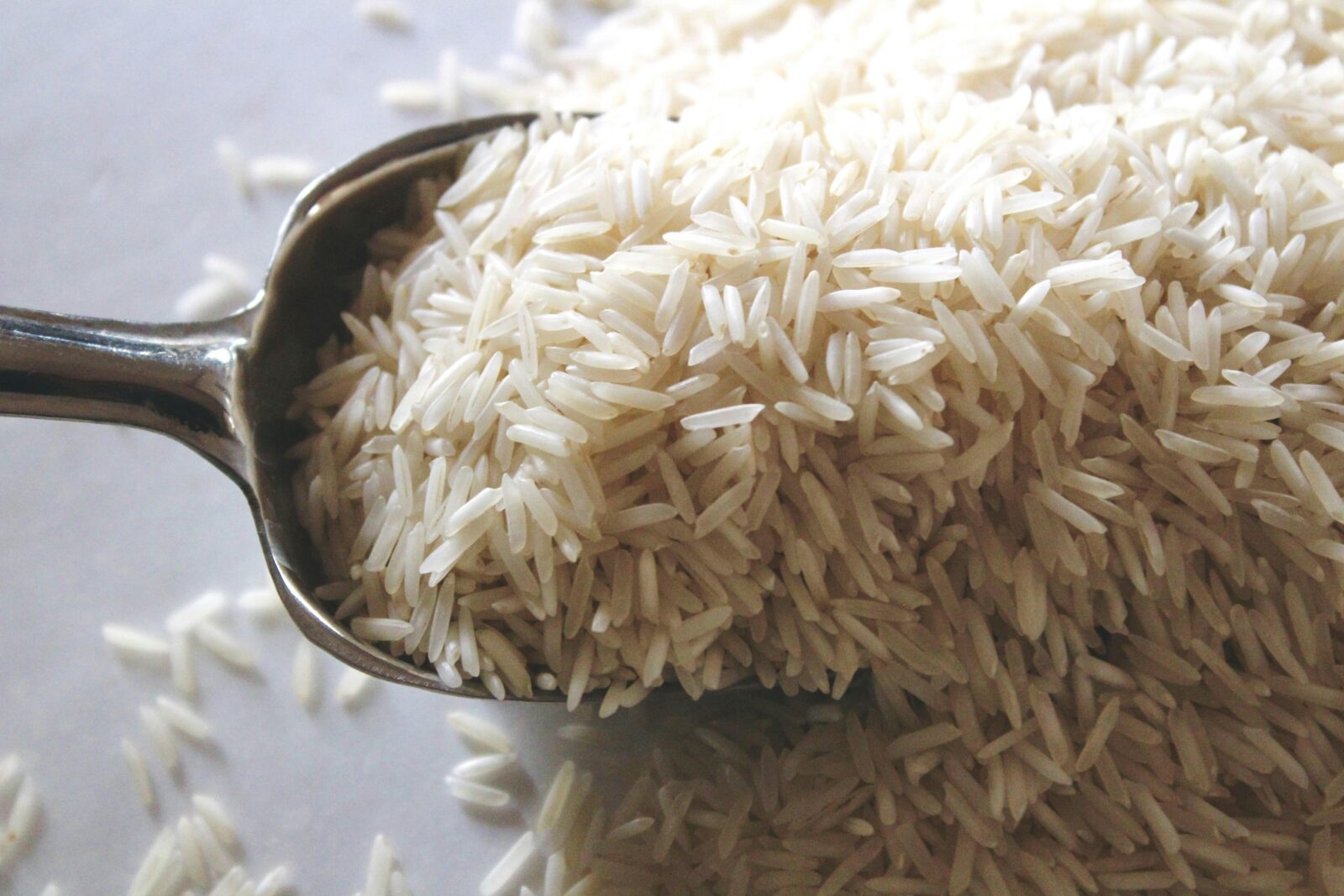
Unlocking Rice Milling Secrets: Understanding Mini Machines and Their Role in Agriculture
Mini rice milling machines have emerged as game-changers for small-scale farmers, enabling them to process their rice efficiently and economically. These compact machines,designed for ease of use and minimal space requirements,offer a range of benefits that cater specifically to the needs of small agricultural operations. Some of the key advantages include:
- Cost-effectiveness: mini rice mills typically have lower initial investment costs compared to large-scale milling equipment, making them accessible for small farmers.
- Improved Quality: These machines are capable of producing higher quality rice by reducing breakage and ensuring consistent milling standards.
- Energy Efficiency: With lower power consumption, mini mills allow farmers to save on operational costs.
- Adaptability: Many mini models can handle a variety of rice types, making them versatile for different farming practices.
Despite these advantages, potential buyers should consider certain challenges before investing in mini milling machines. For instance, it is crucial to assess the capacity requirements based on the farm’s output, as choosing a machine that doesn’t meet their needs can lead to inefficiencies. Farmers should also take into account maintenance and parts availability, as accessibility can vary significantly by region. Additionally, comparing specific brands and models can yield insights into reliability and user satisfaction. Resources such as customer reviews, product comparisons, and expert recommendations can help in making informed decisions. Here’s a quick comparison table to aid farmers in evaluating their options:
| Feature | Model A | Model B | Model C |
|---|---|---|---|
| Processing Capacity (kg/hour) | 300 | 500 | 700 |
| Power Requirement (KW) | 2 | 3 | 4 |
| Price range ($) | 1,200 | 1,800 | 2,500 |
The Small-Scale Farmer’s Advantage: How Mini Rice Milling Machines Transform productivity
The advent of mini rice milling machines has significantly transformed the dynamics for small-scale farmers by enhancing their productivity and efficiency. Unlike traditional milling methods that are labor-intensive and time-consuming, these machines streamline the entire process, allowing farmers to mill rice more quickly and with minimal effort. For smallholders, who often operate on tight margins and limited resources, this efficiency can lead to substantial financial benefits. Here are some advantages that small-scale farmers can expect:
- Cost-Effectiveness: Mini rice milling machines require less initial investment than larger industrial machines while providing a good return on investment through improved milling rates.
- Quality Control: Farmers can produce higher-quality rice with more consistent milling standards, which is crucial for maintaining market competitiveness.
- Time Efficiency: Reduced milling time means that farmers can process their harvest more quickly, allowing them to engage in additional farming activities or prepare for new planting seasons.
- small footprint: These machines are designed to occupy minimal space, making them feasible for farmers with limited land.
However, making the right choice among the various models can sometimes be daunting. Here’s a quick comparison of some popular mini rice milling machines:
| Model | Processing Capacity (kg/hour) | Power Source | Price Range (USD) |
|---|---|---|---|
| Huskmaster 2 | 600 | Electric | 1,200 – 1,500 |
| Milling Pro 4 | 600-800 | Diesel | 1,800 – 2,200 |
| Compact Mill 300 | 300 | Electric | 900 – 1,200 |
Choosing the right machine depends on individual farming needs, available budget, and intended production volume. By investing in mini rice milling machines,small-scale farmers not only enhance their operational productivity but also position themselves favorably within the competitive agricultural marketplace.
Choosing the Right Mini Rice Mill: Key Considerations for Optimal performance
When selecting the right mini rice mill, several key considerations can significantly impact your milling efficiency and overall satisfaction. First and foremost, assess the capacity that fits your needs—mini rice mills are available in various production rates, often measured in kilograms per hour.Understanding your farm’s size and rice output requirements helps in choosing a model that optimizes performance without overextending your budget. Additionally, consider the type of milling technology employed; traditional stone mills versus modern steel or rubber roller mills each have distinct advantages, such as grain integrity, husking efficiency, or energy consumption. Each option has its unique benefits, such as the gentle milling process of stone mills that preserves more of the grain’s nutrients, or the speed and efficiency of roller mills, which can substantially reduce labor costs.
Another critical factor lies in the maintenance requirements of the rice mill. A machine that necessitates excessive upkeep can quickly reduce your overall productivity. Look for user-amiable models with readily available replacement parts or service support within your region. Pricing is also crucial; while investing in a higher-quality machine may seem daunting, consider the long-term savings in efficiency and grain quality. Before making a decision, it’s prudent to compare specific models based on user reviews, reliability, and brand reputation.Some farmers find it beneficial to create a simple comparison table like the one below to visualize key features:
| Model | Capacity (kg/hr) | Type | Maintenance Needs | Price Range |
|---|---|---|---|---|
| Model A | 400 | Steel Roller | Low | $1,200 – $1,500 |
| Model B | 300 | Stone | Moderate | $700 - $900 |
| Model C | 500 | Rubber Roller | Low | $1,500 – $2,000 |
By carefully considering these factors, you can ensure that you select a mini rice mill that not only fulfills your immediate need for efficiency but also contributes to the long-term sustainability of your farming operations.
Debunking Myths: Common Misconceptions About Mini Rice Milling Technology
The mini rice milling technology has gained popularity among small-scale farmers, but several myths and misconceptions can cloud its effectiveness and practicality.One pervasive myth is that mini rice mills are only suitable for small operations and lack the efficiency needed for larger productions. In reality, these machines are designed to process critically important quantities of rice with remarkable efficiency, frequently enough matching the throughput of larger milling systems but with reduced overhead costs. Additionally, many believe that mini mills produce lower quality rice due to their size; however, modern mini rice mills incorporate advanced milling technology that ensures high-quality output, which is crucial for market competitiveness. By integrating features such as pre-cleaners, huskers, and polishers, these machines can achieve excellent milling standards while maintaining the nutritional integrity of the rice.
Another common misconception is the perceived maintenance challenges associated with mini rice milling machines. Some small-scale farmers fear that these machines will require excessive upkeep, leading to higher operational costs. However, mini rice mills are typically designed with user-friendly features that simplify maintenance and troubleshooting. Regular cleaning, occasional lubrication, and routine checks are generally all that is needed to keep these machines in optimal condition. Furthermore, many manufacturers provide comprehensive support and training, enabling farmers to manage maintenance effectively. With the right understanding and care, the benefits of mini rice milling technology far outweigh any perceived challenges, making it a viable investment for boosting productivity and profitability in small-scale rice farming.
The Way Forward
as we navigate the landscape of modern agriculture, mini rice milling machines emerge as invaluable allies for small-scale farmers. By embracing these compact yet powerful tools, farmers not only enhance their operational efficiency but also gain the ability to produce high-quality rice that meets market demands.The accessibility and affordability of these machines pave the way for greater food security and economic stability within local communities.
As we look to the future, the role of innovative technology in agriculture will only continue to shape the way we grow and process our food. With the knowledge gained from this guide, small-scale farmers can confidently make informed decisions, transforming their practices and unlocking new opportunities. Embracing mini rice milling technology is not merely a choice; it is a step towards a more enduring and prosperous farming journey. Let us move forward, equipped with the tools that foster growth, resilience, and a flourishing future for agricultural landscapes around the globe.