In the heart of many agrarian economies, the hum of machinery and the rhythmic pulse of innovation have transformed traditional practices into dynamic enterprises.Auto rice mills stand at the forefront of this agricultural revolution,merging time-honored methods with cutting-edge technology to redefine rice processing. as the world’s population burgeons and the demand for efficient food production escalates, understanding the intricacies of auto rice mills becomes increasingly vital. This comprehensive guide delves deep into the technology that powers these mills, the myriad benefits they offer to farmers and consumers alike, and the important impact they have on the industry as a whole. Join us as we unravel the complexities and advantages of auto rice mills, providing a lens through which to appreciate their role in shaping the future of rice production.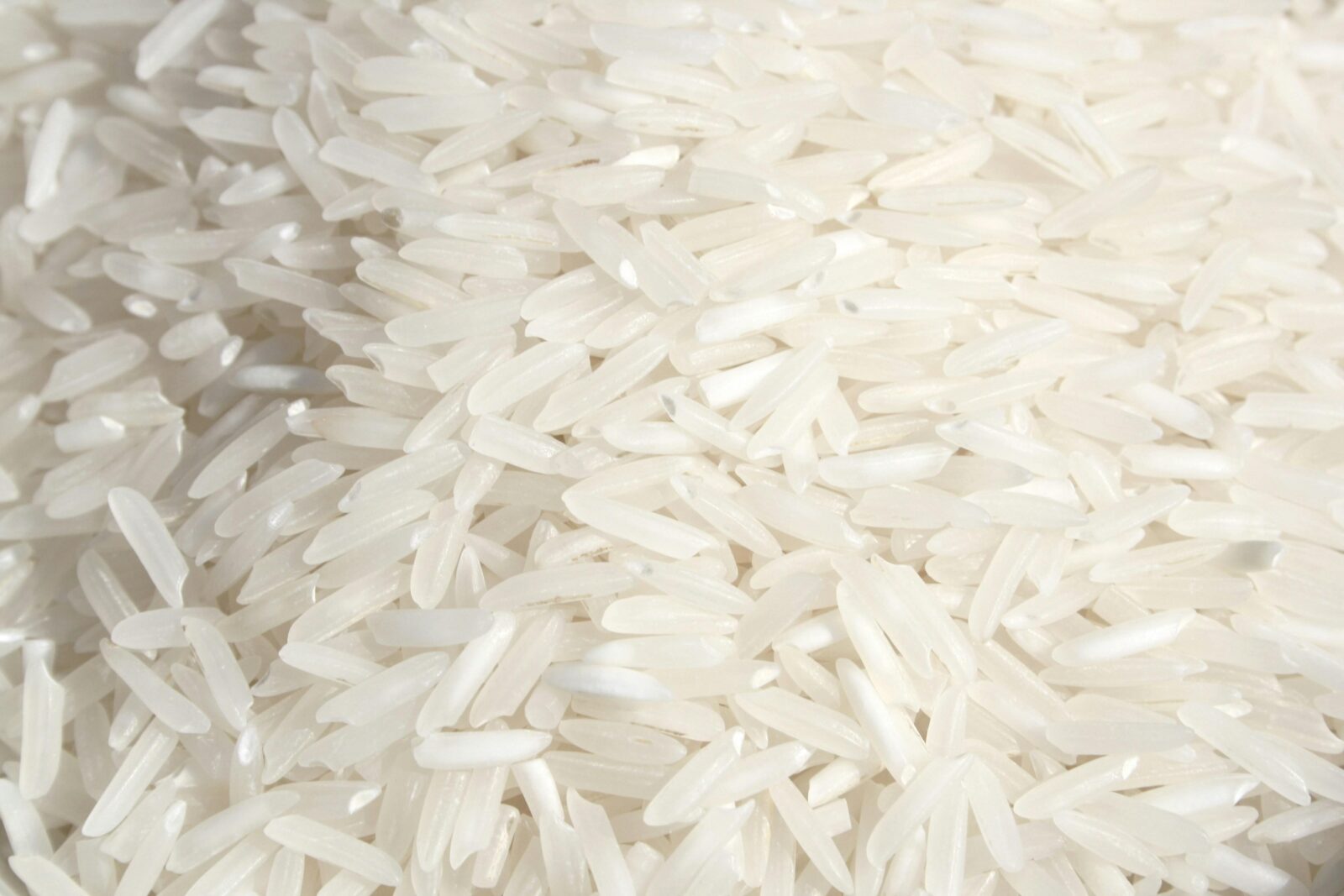
Exploring the Mechanics of Auto Rice Mills and Their Technological Advancements
To fully leverage the advancements in auto rice mills, it’s essential to understand the key mechanical components that drive their efficiency and productivity.When selecting an auto rice mill, consider checking the milling capacity, which indicates how much paddy can be processed per hour.Look for models incorporating modern features such as automatic temperature control, which prevents damage to grains, and multi-functional processes, enabling husking, polishing, and separation in a single run. here are some essential specifications to compare:
| Milling capacity (kg/hour) | Power Consumption (kW) | Degree of Automation | Maintenance Frequency |
|---|---|---|---|
| 500 - 1000 | 10 – 15 | High | Weekly |
| 1000 – 2000 | 15 – 25 | Medium | Monthly |
When using an auto rice mill, you should also prioritize regular maintenance to avoid common pitfalls. Neglecting the internal cleaning can lead to contamination, affecting grain quality. It’s advisable to establish a cleaning schedule based on the type of rice being processed; as an exmaple, aromatic rice frequently enough requires more frequent cleaning compared to regular grades. Additionally, be cautious of eliminating overheating in milling components—ensure proper ventilation and consider investing in mills that include heat-dissipating features. Many successful operators have found that combining different milling techniques and timely upgrades to the software systems can considerably enhance the output while maintaining quality. Also, always request performance reviews or testimonials from suppliers before finalizing your decision, as learning from others’ experiences can save considerable time and resources.

Examining the Economic Advantages and Sustainability of Auto Rice Milling
When considering the economic advantages of auto rice milling, it’s critical to assess initial investments against long-term savings and productivity gains.Potential investors should analyze the following aspects:
- Capital Investment: Initial capital required for high-quality auto mills can range from $50,000 to over $300,000 depending on the capacity and features. Compare this against estimated output and revenue generation based on local demand.
- Operational Costs: Review costs such as energy consumption,labor,maintenance,and raw material procurement. Auto mills tend to operate with lower labor costs due to automation, potentially saving 20-30% compared to traditional methods.
- Output Quality: Conduct side-by-side tests of auto milled rice against traditional methods. High-quality rice commands a premium price, but unreliable machines can lower quality, impacting sales.
To sustain these advantages, consider the following steps:
- supplier Relationships: Establish contracts with dependable suppliers for raw rice to ensure consistent quality and pricing.
- Regular Maintenance: create a routine maintenance schedule to check machinery performance and mitigate downtime, which can disrupt operations.Consider a contingency fund for unexpected repairs.
- Technology integration: Explore data management systems to track production rates, costs, and output quality. This will help identify inefficiencies and inform smarter operational decisions.
Ultimately, successful auto rice milling hinges on strategic planning and systematic monitoring of operations. It’s essential to differentiate between genuine advancements in technology and mere marketing claims. Reliable brands can boost efficiency,but comprehensive industry understanding is crucial to enable informed decision-making.
Navigating the Challenges in the Auto Rice Milling Industry: Solutions and strategies
- Regular Maintenance of Equipment: One of the most common pitfalls in the auto rice milling industry is neglecting the maintenance of milling equipment. schedule regular inspections and servicing to prevent breakdowns that can cause costly downtime.
- Check Bearings and Lubrication: Ensure that bearings are well-lubricated to minimize wear and tear.
- Monitor Screen Condition: Regularly check the screens for tears or blockages that can impede rice flow and affect quality.
- Effective Grain handling: Poor grain handling can lead to spoilage and quality loss. Implement a systematic approach to grain intake, storage, and milling.
- Invest in Climate-Controlled Storage: This can help extend the shelf life of paddy rice by preventing moisture accumulation, which leads to spoilage and insect infestations.
- Use Sensors for Moisture control: Integrate sensors that monitor moisture levels in your storage areas, adjusting temperature and ventilation accordingly.
| Common Issues | Suggested Solutions |
|---|---|
| Poor milling yield | Optimize the moisture content of the paddy before milling,ideally between 14-16% for best results. |
| Product contamination | Implement strict cleaning procedures before and after milling to prevent cross-contamination of rice batches. |
| Inefficient workflow | Evaluate the workflow from receiving to milling to packaging, and utilize Lean principles to eliminate bottlenecks. |
Moreover, investing in training for your staff cannot be overlooked. Ensure that all employees are adequately trained on operating machinery and handling raw materials to prevent operational mistakes. Consider periodic workshops or seminars to keep the team updated on best practices and emerging technologies. Additionally,establish Standard Operating Procedures (SOPs) for all key processes to standardize actions,which can significantly improve efficiency and quality control.
stay connected with industry trends and innovations. Participating in trade shows or joining professional associations can provide valuable insights into new technologies that enhance efficiency or sustainability. As a notable example,consider exploring advancements such as automation software that can optimize milling schedules or robotics that streamline packaging processes. By staying informed, you will be better equipped to make smarter choices that align operational capabilities with market demands.
Future Trends in Auto Rice Milling: Innovations Shaping the Industry Landscape
As the auto rice milling industry evolves, several future trends are set to reshape operational efficiencies and market dynamics. For businesses looking to stay ahead, it’s crucial to consider these innovations and how to integrate them effectively. Key areas to focus on include:
- Automation and IoT Integration: Incorporating internet of Things (IoT) technology can enhance mill operations by providing real-time data on machine performance and grain quality. Businesses should invest in smart sensors to monitor moisture levels and grain integrity. For example, implementing a centralized management system that alerts operators about maintenance needs can significantly reduce downtime.
- Enduring Practices: As sustainability gains traction, mills need to adopt eco-amiable practices. Check for suppliers that offer energy-efficient machinery or waste management solutions, such as biogas plants that utilize hulls and bran. Make smarter choices by conducting life-cycle assessments to ensure that your milling process minimizes carbon footprints.
However, as you embrace these innovations, consider common pitfalls that can hinder progress. Many operators overlook training staff on new technologies, leading to underutilization of advanced features. to prevent this, develop a comprehensive training program that educates employees on smart technologies and maintenance practices. Moreover, stay updated with industry regulations; failure to comply can result in costly fines. Utilize resources like the Food Processing Technology initiative to stay informed about regulatory changes.
| Focus area | What Works Better | Common Mistakes |
|---|---|---|
| Automation | smart sensors and centralized control | Ignoring staff training |
| Sustainability | Energy-efficient machinery | Neglecting waste management solutions |
| regulatory Compliance | Proactive engagement with evolving laws | Complacency with current practices |
Closing Remarks
the landscape of rice processing has evolved significantly with the emergence of auto rice mills, revolutionizing the way rice is produced and processed. By embracing advanced technology, these mills not only enhance efficiency and quality but also contribute significantly to the agricultural economy. As we navigate the complexities of modern food production, understanding the multifaceted benefits and impacts of auto rice mills becomes essential for stakeholders ranging from farmers to consumers. The journey from paddy to plate is no longer just a matter of tradition; it is indeed a confluence of innovation,sustainability,and economic growth. As we look to the future, the continued evolution of auto rice milling technology promises to play a pivotal role in shaping the global rice industry, ensuring that this staple food remains abundant, accessible, and of the highest quality for generations to come. Thank you for joining us in this exploration of a vital component of food production.