In the bustling world of rice production, efficiency is not just a goal—its a necessity. As the demand for high-quality rice surges globally, optimizing the operation of an automatic rice mill plant has become paramount for producers aiming to stay competitive. Whether you’re a seasoned professional or a newcomer to the industry, the intricacies of selecting and operating the right equipment can be daunting. This article, “Maximize Efficiency: A practical Guide to Selecting and Operating Your Automatic Rice Mill Plant for Optimal Production,” aims to demystify the process. By exploring the key factors to consider in equipment selection, maintenance practices, and operational strategies, we provide a roadmap to elevate your rice milling processes.Join us as we delve into the essential steps to harness the full potential of your rice mill plant, ensuring not just productivity, but sustainability in a continuously evolving agricultural landscape.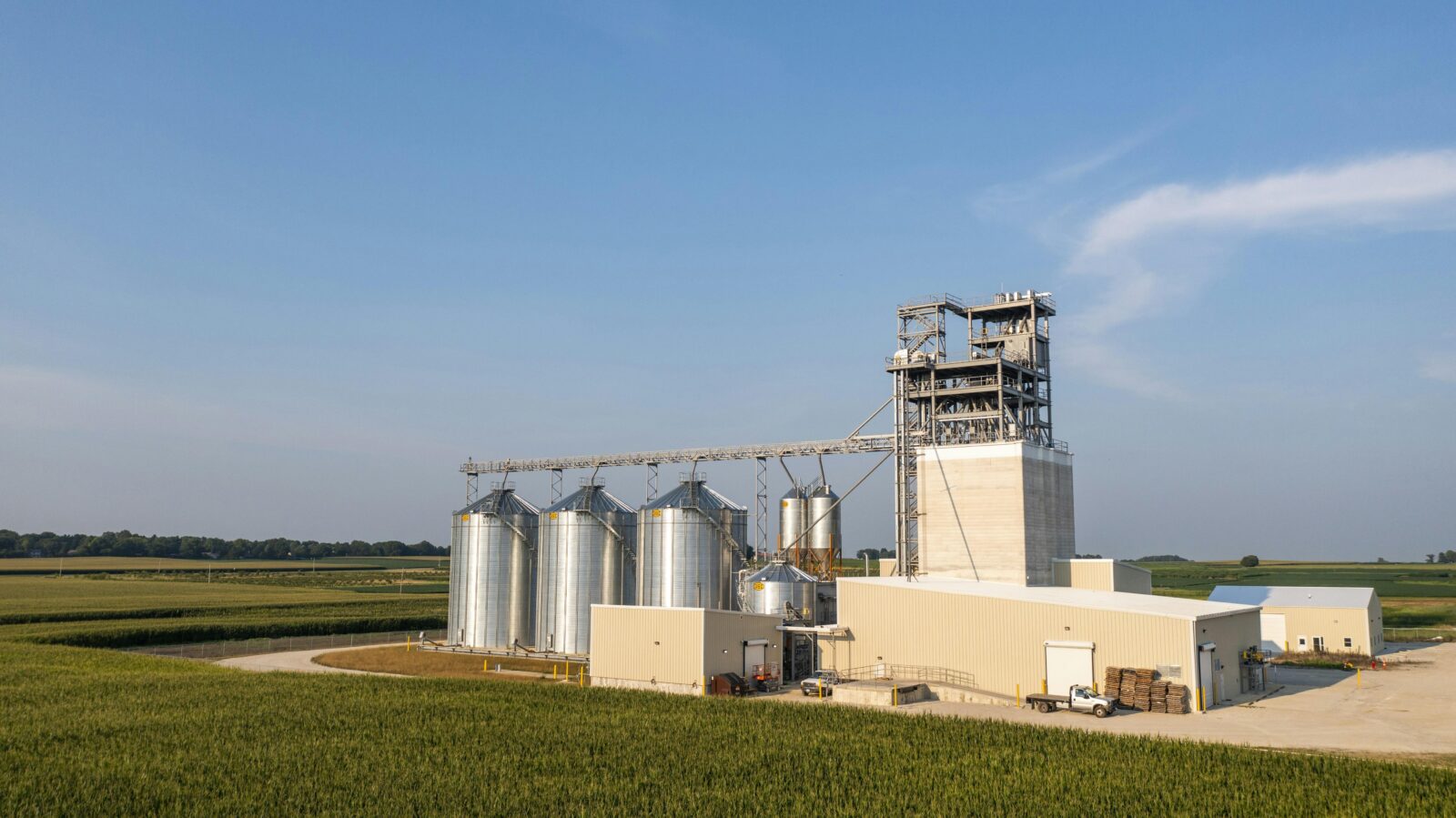
Essential Criteria for Choosing the Ideal Automatic Rice Mill Plant for Your Needs
When selecting an automatic rice mill plant, focus on the following essential criteria to ensure it meets your operational needs:
- Production Capacity: Assess your monthly production requirements. For instance, if you need to process 500 tons of rice per month, ensure the plant can handle this demand with some buffer. A plant with a lower capacity may lead to delays and increased operational costs.
- Quality of Output: Investigate the milling technology used by the plant. Such as, a mill with a rubber roller and a paddy separator can yield higher quality rice with lower breakage rates. Always request samples of processed rice from potential providers to evaluate quality firsthand.
- Energy Efficiency: Check energy consumption ratings. A more energy-efficient machine can reduce operational costs substantially. For instance, a modern plant might consume 10% less energy compared to its older counterparts. Always ask for the manufacturer’s energy ratings to compare options effectively.
- Maintenance and Support: Investigate the manufacturer’s service record. Plants that offer extensive after-sales support, including regular maintenance and timely parts replacement, can mitigate downtime.Compare companies by checking online reviews and testimonials from current users.
Consider potential pitfalls in procurement and operation. Many buyers neglect to verify the availability of spare parts, which can lead to lengthy downtimes. confirm that the manufacturer provides a steady supply of replacement parts and service technicians nearby. Additionally, ensure a proper understanding of the space requirements; for example, a mill designed with compact layouts might be preferable for smaller facilities.Establish a clear budget by including installation, training, and maintenance costs into your total investment calculation. Use a spreadsheet format to compare costs of different manufacturers, including:
| Manufacturer | Initial Cost | Estimated Annual Maintenance | Energy consumption (kWh/year) |
|---|---|---|---|
| Manufacturer A | $50,000 | $2,000 | 12,000 |
| Manufacturer B | $55,000 | $1,800 | 10,500 |
By thoroughly evaluating these criteria and conducting comprehensive comparisons, you’re positioned to make informed decisions that will enhance overall productivity and efficiency in your rice milling operations.

Key Considerations for Streamlining Operations and Boosting Rice Production Efficiency
To streamline operations and enhance rice production efficiency, focus on optimizing your automatic rice mill plant through careful monitoring and maintenance. Ensure you routinely check the following components:
- Equipment Calibration: Misalignment or improper calibration can lead to subpar milling results and increased downtime.
- Regular Maintenance Schedule: Schedule systematic servicing to prevent breakdowns. For instance, clean and lubricate moving parts monthly.
- Input Quality: Use high-quality paddy rice with appropriate moisture content (ideally between 14-20%). Inferior quality grains can lead to more milling losses.
- Monitoring production Metrics: Track metrics like throughput, efficiency ratios, and yield percentage daily.
Specific pitfalls commonly encountered in rice milling include equipment overload and inconsistent employee training. To avoid these issues:
- Implement Load Management: Avoid operating the mill beyond its specified capacity—this can be calculated with a simple formula: Total Capacity (kg/hr) / Average Throughput (kg/hr).
- Invest in Employee Training Programs: Regularly train staff on operational best practices and new technologies. This could reduce errors by as much as 25%.
- Utilize Software Solutions: consider integrated management software that helps track production in real-time and identify bottlenecks.
| Action | Expected Outcome |
|---|---|
| Regularly calibrate machinery | Improved milling accuracy and reduced waste |
| Implement quality control checks | Higher yield and superior end product quality |
| Adopt responsive production strategies | Enhanced adaptability to market demands |
Common Pitfalls to Avoid When Setting Up Your Automatic Rice Mill for Success
Setting up your automatic rice mill involves more than just purchasing equipment; it requires strategic planning to avoid common pitfalls that can derail your success. Hear are critical areas to focus on:
- Neglecting Regular Maintenance: Failures often arise from overlooking routine maintenance. create a maintenance schedule that includes:
- Daily checks on machinery status and cleanliness
- Weekly lubrication of moving parts
- Monthly inspections of belts and gears for wear
- Inadequate Training: Ensure that your staff is well-trained in operating the machinery. Ignoring this can lead to:
- Increased downtime from mishandling equipment
- Higher operational costs due to inefficient processing
Another area to consider is input quality. Using subpar rice can significantly affect the quality of your final product. Conduct quality assessments on incoming rice using a grading table:
| Grading Criteria | Ideal Conditions |
|---|---|
| Moisture Content | 12-14% |
| Damage Kernel Percentage | Less than 5% |
| Foreign Matter | Less than 1% |
Ensuring high-quality inputs not only boosts your output quality but can also reduce wear and tear on machinery, enhancing longevity and reducing operational costs. Additionally, be cautious of overproduction; aligning your production schedule with actual demand will minimize waste and ensure steady cash flow.
Practical Tips and Real-World Insights for Maximizing Output and Minimizing Downtime
To ensure you maximize output and minimize downtime in your automatic rice mill plant, start with rigorous and systematic routine maintenance. Each component of your rice mill, from the huller to the separator, requires regular checks. Schedule these inspections weekly and focus on the following key areas:
- Belts and Gears: Inspect for wear and tear; replace them promptly to avoid breakdowns.
- Cleaning Systems: Clogged systems can significantly reduce efficiency—clear them out daily.
- Electrical Connections: regularly check for loose connections and corrosion, which can lead to costly downtime.
Another common pitfall is underestimating the importance of training your staff on operational best practices. Invest in comprehensive training programs for your team, emphasizing how to recognize abnormal sounds or vibrations that indicate machinery issues. consider implementing a simple reporting system or checklist that operators can use to log any irregularities. Encourage the team to use this data to anticipate future maintenance needs rather than reacting post-failure. This proactive approach helps in creating a culture of operational excellence, where issues are identified early, significantly reducing unexpected downtimes and enhancing overall productivity.
Closing Remarks
navigating the world of automatic rice mill plants doesn’t have to be a daunting endeavor. By implementing the strategies outlined in this guide, you can transform your operations into a well-oiled machine, maximizing both efficiency and production quality. Remember, the key to a successful rice milling venture lies not just in the selection of the right equipment, but also in understanding your unique operational needs and continuously adapting to changes in the industry.
As you embark on this journey towards optimal production,keep in mind the importance of regular maintenance,skilled personnel,and continuous learning. These elements will not only enhance the lifespan of your machinery but also pave the way for innovation and betterment within your operations. Equipped with the right knowledge and tools, you are now poised to elevate your rice milling business to new heights.
Embrace the process, remain proactive, and watch as your automatic rice mill plant flourishes, contributing to a more productive and sustainable future in the agricultural sector. Happy milling!